
Rwanda says it has agreed to take up to 250 migrants from the US
Rwanda Agrees to Accept Migrants from US in New Deal
Rwanda has agreed to accept up to 250 migrants from the United States, according to a government spokesperson. The agreement, reportedly brokered with the previous Trump administration, stipulates that Rwanda will have the authority to approve each individual selected for resettlement. The move comes as the US, under a renewed focus on immigration enforcement, seeks to expand its options for managing undocumented migrants.
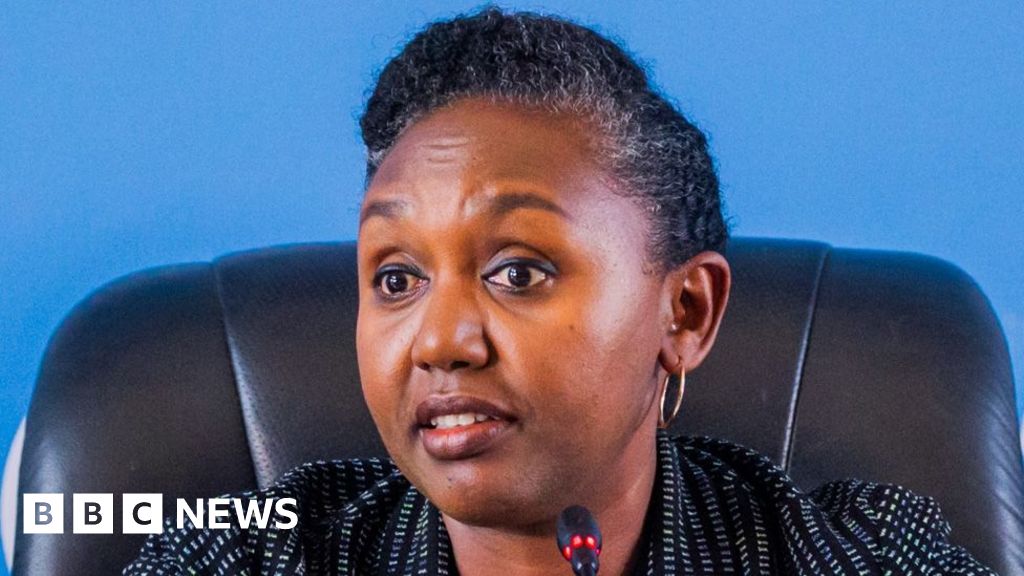
Government spokesperson Yolande Makolo confirmed the deal to the BBC, stating that the migrants would receive "workforce training, health care, and accommodation to jump start their lives in Rwanda." While the White House has not directly commented on the specific agreement, it affirmed ongoing discussions with countries "willing to assist us in removing the illegal aliens" from the US.
Deal Echoes Previous Agreements, Raises Familiar Concerns
This agreement bears similarities to previous arrangements Rwanda has entered into regarding migrants and asylum seekers. Most notably, a controversial deal with the UK, agreed in 2022, aimed to send asylum seekers arriving in Britain to Rwanda. However, the UK scrapped the scheme after a change in government and facing significant legal challenges. The UK had already paid Rwanda £240m ($310m) and built facilities to house the asylum seekers, the fate of which remain unclear.
Rwanda also has a separate agreement with the UN refugee agency (UNHCR) and the African Union, under which nearly 3,000 refugees and asylum seekers trapped in Libya were evacuated to Rwanda between 2019 and 2025. The UN says many of these individuals have since been resettled elsewhere.
Rwanda Cites Humanitarian Grounds
Ms. Makolo emphasized Rwanda's motivation for the agreement, stating, "Nearly every Rwandan family has experienced the hardships of displacement." She added that Rwandan society values are founded "on reintegration and rehabilitation." This rationale echoes earlier statements by Rwandan officials, who have highlighted the country's history, including the 1994 genocide, as informing a willingness to offer "another chance to migrants who have problems across the world."
Expert Analysis: A Complex Picture
Dr. Phil Clark, an expert in African politics at SOAS University of London, notes the complex motivations behind Rwanda's actions. "Rwanda's willingness to engage in these types of agreements is driven by a combination of factors," he explains. "There's a genuine element of humanitarian concern, rooted in their own history of displacement. But there are also strategic considerations, including the potential for economic benefits and the desire to enhance Rwanda's international standing."
He further adds, "However, these agreements inevitably raise questions about human rights and due process. It's crucial that robust safeguards are in place to ensure the safety and well-being of the migrants transferred to Rwanda, and that their individual circumstances are carefully considered."
Concerns Over Human Rights Record
The agreement has already drawn criticism from human rights organizations, who point to Rwanda's human rights record and the potential for migrants to face onward deportation to countries where they may be at risk. Rwanda has also faced scrutiny for its alleged backing of the M23 rebel group in the Democratic Republic of Congo, though the Rwandan government denies these accusations.
Amnesty International has previously raised concerns about Rwanda's treatment of refugees and asylum seekers, citing instances of restrictions on freedom of movement and expression. These concerns underscore the need for independent monitoring and oversight of the new agreement with the US.
Historical Context: Shifting Migration Policies
The US has a long history of collaborating with other countries on migration management, often involving financial incentives or diplomatic pressure. The practice of deporting individuals to third countries, while not new, has become increasingly controversial in recent years, particularly in the context of rising anti-immigrant sentiment in some Western nations.
This deal comes at a time when global migration patterns are becoming increasingly complex, driven by factors such as conflict, climate change, and economic inequality. African nations are often at the center of these flows, both as countries of origin and transit, highlighting the need for comprehensive and humane approaches to migration management.
Financial Details Remain Unclear
While the Rwandan government has confirmed the agreement, specific financial details remain undisclosed. Reuters reported that an unnamed Rwandan official stated the US would provide Kigali with a grant as part of the deal, but this has not been officially confirmed. Ms. Makolo stated that more details would be provided once they have been finalized.
The BBC has reached out to the US State Department for comment but has not yet received a response.
Originally sourced from: BBC News Africa