
Besieged Sudan city residents face starvation, UN warns
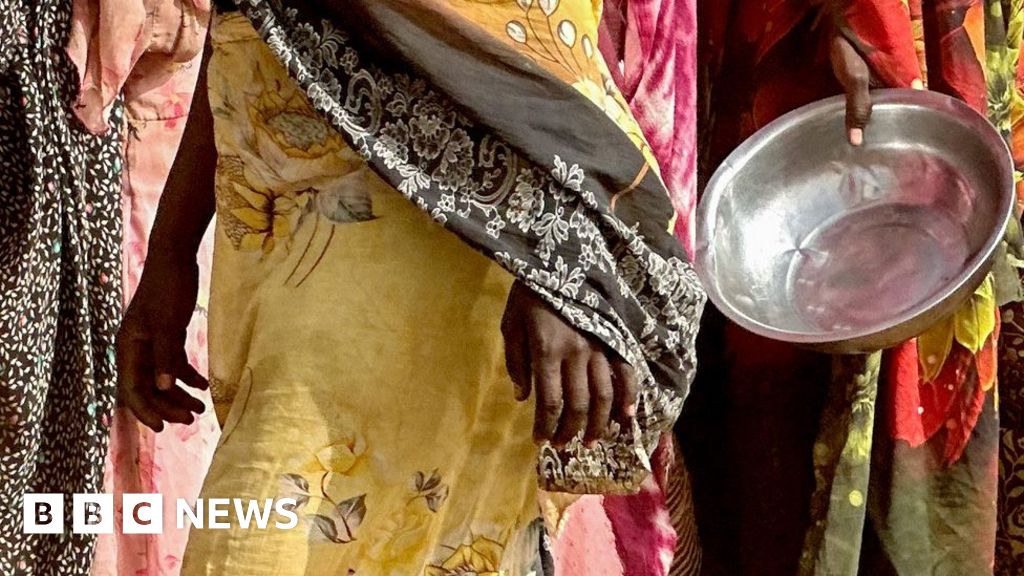
Besieged El-Fasher Faces Starvation as Sudan Conflict Intensifies, UN Warns
The United Nations World Food Programme (WFP) has issued a dire warning regarding the humanitarian situation in El-Fasher, Sudan, stating that families trapped within the besieged city are facing starvation. The city, located in the Darfur region, has been effectively cut off from food supplies for over a year, exacerbating an already critical situation created by the ongoing civil war.
El-Fasher, home to an estimated 300,000 people, is currently surrounded by the Rapid Support Forces (RSF), a paramilitary group determined to seize control from the Sudanese army. Local activists have reported deaths due to starvation, highlighting the urgency of the situation. The conflict, which erupted in April 2023 between the army and the RSF, has plunged Sudan into one of the world's worst humanitarian crises.
Dire Conditions Worsened by Conflict
The WFP's warning underscores the desperate situation in El-Fasher, where severe food shortages have led to skyrocketing prices for essential supplies. Reports indicate that residents are resorting to desperate measures to survive, including consuming animal fodder and food waste. The RSF is accused of cutting trade routes and blocking supply lines to the city, further isolating its inhabitants.
"Everyone in El-Fasher is facing a daily struggle to survive," stated Eric Perdison, WFP's regional director for eastern and southern Africa. "People's coping mechanisms have been completely exhausted by over two years of war. Without immediate and sustained access, lives will be lost."
The UN's children's agency, UNICEF, has also raised concerns about widespread malnutrition across Sudan, with many children described as being "reduced to skin and bones." This reflects a broader crisis affecting the entire country, particularly vulnerable populations.
Historical Context and Current Challenges
The conflict in Sudan stems from a long history of political instability and power struggles. The RSF, initially an ally of the Sudanese army, emerged from the Janjaweed militias, which were implicated in atrocities during the Darfur conflict in the early 2000s. This history adds a layer of complexity to the current crisis and fuels deep-seated tensions within the region.
Dr. Ahmed Ali, a Sudanese political analyst based in Khartoum, explains that "the current conflict is not simply a power struggle between two generals. It is a manifestation of unresolved grievances and inequalities that have plagued Sudan for decades. The marginalization of Darfur and other regions has created fertile ground for conflict."
The RSF's intensified efforts to seize El-Fasher come after they were driven out of the capital, Khartoum. The city represents the Sudanese army's last major stronghold in Darfur, making it a strategic target for the paramilitary group. The fighting has displaced hundreds of thousands of people, further straining already limited resources.
Humanitarian Efforts Hampered
The WFP has reported that trucks loaded with food and nutrition assistance are ready to be dispatched to El-Fasher, having received clearance from the Sudanese government. However, they are awaiting approval from the RSF to ensure safe passage. The UN has been advocating for a week-long humanitarian truce since early June, but progress has been slow.
According to Sarah Johnson, a humanitarian aid worker with extensive experience in Sudan, "Negotiating access with both the Sudanese army and the RSF is incredibly challenging. There is a lack of trust and a history of obstruction, making it difficult to deliver aid to those who need it most." She adds, "The international community needs to exert more pressure on both sides to prioritize the needs of civilians and allow humanitarian organizations to operate freely."
The RSF has reportedly rejected previous truce initiatives, claiming that they would be used to resupply government forces. They have also asserted that they are establishing "safe routes" for civilians to leave the city, although reports of attacks by RSF-allied gangs on fleeing civilians cast doubt on these claims.
Looking Ahead
The situation in El-Fasher remains precarious, with the threat of widespread starvation looming large. The rainy season, which is approaching, is expected to further complicate humanitarian efforts by making roads impassable. Despite some progress in delivering aid to other parts of Darfur, these fragile gains are at risk of being reversed.
Immediate and sustained access to El-Fasher is crucial to prevent further loss of life. Increased pressure on both the Sudanese army and the RSF is needed to ensure the safe passage of humanitarian aid. Long-term solutions are needed to address the underlying causes of the conflict and promote lasting peace and stability in Sudan.
The international community faces a critical test in its ability to respond to this unfolding crisis. Failure to act decisively will have devastating consequences for the people of El-Fasher and the entire region.
Originally sourced from: BBC News Africa