
How Trump wants the US to cash in on mineral-rich DR Congo's peace deal
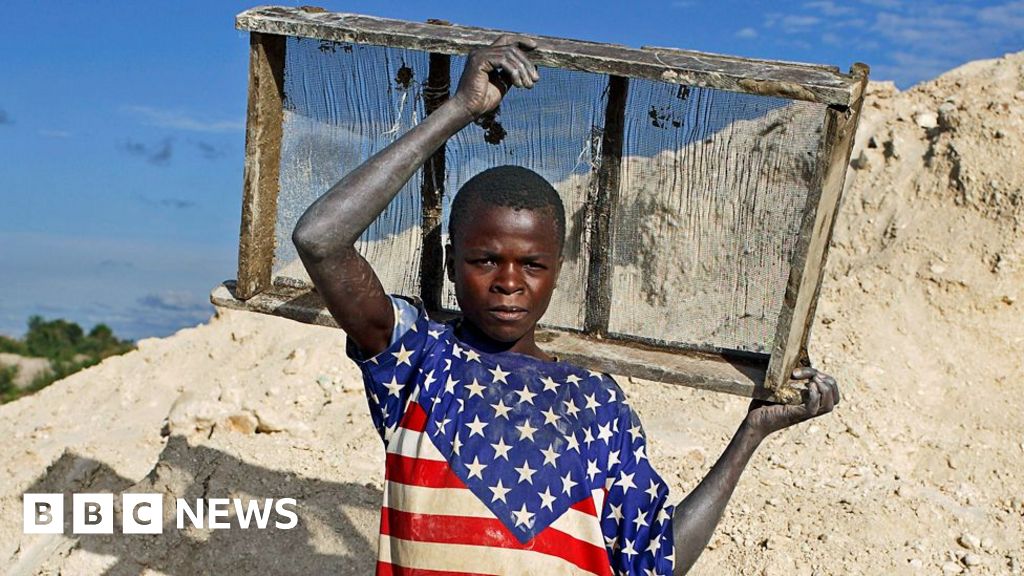
US Seeks Mineral Access in DR Congo Peace Initiative
The United States is pursuing a controversial peace initiative between the Democratic Republic of Congo (DR Congo) and Rwanda, aiming to secure access to DR Congo's vast mineral resources, vital for powering the global tech and artificial intelligence industries. The move comes as China has already established a significant foothold in the region's mineral sector.
Trump-Era Initiative Resurfaces
Originally spearheaded during the Trump administration, the initiative seeks to mediate the long-standing conflict in eastern DR Congo, a region rich in minerals but plagued by instability. The US hopes to broker a lasting peace agreement between DR Congo and Rwanda, potentially unlocking investment opportunities for American companies.
The initiative involves a "regional economic integration framework" designed to curb mineral smuggling and foster mutually beneficial partnerships. However, critics warn of potential exploitation and the compromising of DR Congo's sovereignty over its natural resources.
Expert Perspectives: Opportunity and Risk
Professor Alex de Waal, executive director of the US-based World Peace Foundation, characterized the US approach as "a new model of peace-making, combining a populist performance with commercial deal-making." He noted that while the initiative could potentially stop fighting, the US is "playing catch-up" with China, which has already secured significant mineral concessions in DR Congo.
Professor Hanri Mostert, an academic specializing in mineral law at the University of Cape Town, cautioned that DR Congo "risked compromising sovereignty over its minerals" by entering into long-term deals in exchange for security guarantees. She drew parallels to "resource-bartering" deals pursued by China and Russia in other African nations, citing Angola's infrastructure-for-oil agreement with China as an example where the country was unable to benefit when oil prices rose.
DR Congo's Mineral Wealth: A Strategic Asset
DR Congo holds an estimated $25 trillion in mineral reserves, according to the US State Department. These include cobalt, copper, lithium, manganese, and tantalum – essential components for electronics, electric vehicles, and military hardware. The country's government has expressed a willingness to supply the US with critical minerals in exchange for security support.
Conflict and Mineral Smuggling
Eastern DR Congo has been ravaged by conflict for decades, with various armed groups vying for control of mineral-rich territories. The M23 rebel group, in particular, has seized large areas and been implicated in smuggling minerals across the border to Rwanda. A recent UN report detailed how these smuggled minerals are mixed with Rwandan production and exported, reaching "unprecedented levels." Rwanda denies backing the M23, despite evidence to the contrary.
Qatar's Role in Mediation
Alongside the US initiative, Qatar is also involved in mediation efforts, focusing on domestic issues between the DR Congo government and the M23. Professor Jason Stearns, a political scientist specializing in the region, noted that Qatar's involvement was at the request of Rwanda, which perceived the US as favoring DR Congo. He cautioned that the two separate processes need to be tightly coordinated to prevent a situation where a peace deal between DR Congo and Rwanda fails to address the M23's activities.
Challenges Ahead: Ceasefire and Rebel Disarmament
Key challenges remain in achieving lasting peace. These include establishing a ceasefire, disarming the M23, and addressing the presence of the FDLR, a Rwandan militia group operating in eastern DR Congo. The FDLR's presence has been a long-standing source of tension between DR Congo and Rwanda. Both countries have differing views on neutralizing the FDLR. Rwanda insists on FDLR neutralization before withdrawing its troops, while DR Congo seeks simultaneous action.
The International Crisis Group (ICG) analyst Onesphore Sematumba highlighted the speed at which the US and Qatar have brokered deals, but cautioned that the road to lasting peace will be long. He emphasized the need for mediators to find solutions to the contentious issues that have derailed previous peace initiatives.
Historical Context: Resource Exploitation
DR Congo's history is marked by decades of resource exploitation, dating back to the colonial era. Professor Mostert emphasized the importance of recognizing these historical traumas in the current peace process. She argued that sustainable peace requires more than just diplomacy, it also necessitates dialogue, decentralized participation, and acknowledgement of people's experiences.
Originally sourced from: BBC News Africa