
Protesters storm Nigeria's new art museum
```html Protests Disrupt Opening of Nigeria's Museum of West African Art
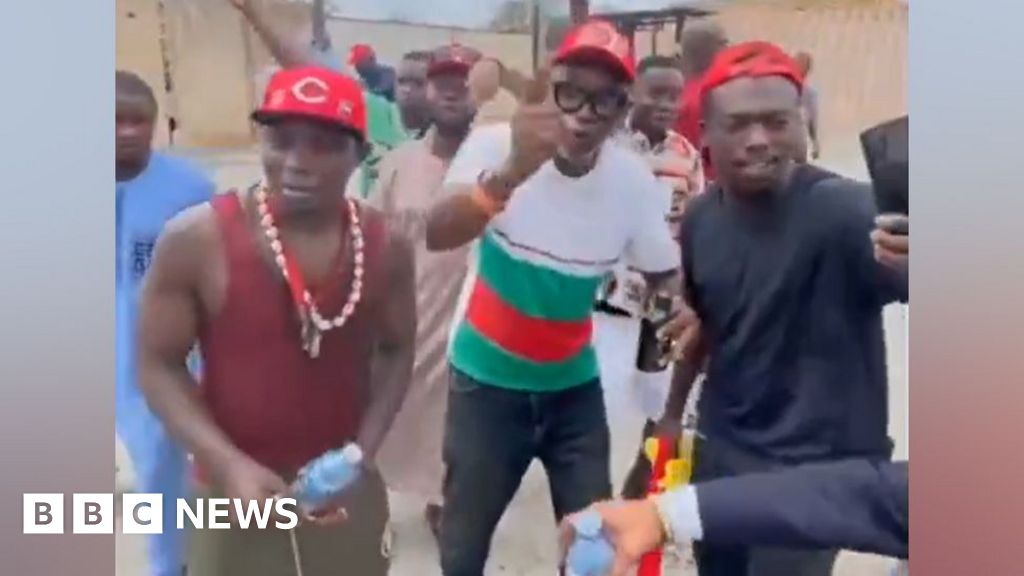
The preview event for the highly anticipated Museum of West African Art (MOWAA) in Benin City, Nigeria, was disrupted by protesters on Sunday, forcing organizers to halt proceedings ahead of its scheduled grand opening on Tuesday. Videos circulating online showed a group confronting and verbally abusing visitors, including foreign guests, demanding they leave the museum premises.
The incident highlights a simmering dispute over the ownership and control of West African art, particularly the Benin Bronzes, many of which were looted by British forces in the late 19th century. While MOWAA was partly conceived as a repository for these repatriated artifacts, none are currently housed there, a point of contention for the protesters.
Frustration Over Control of Artworks
MOWAA, designed by British-Ghanaian architect David Adjaye, boasts state-of-the-art preservation and restoration facilities and cost an estimated $25 million (£19 million) to build. The museum has issued a statement apologizing for the disruption and assuring that all guests were safely escorted from the premises. All preview events have been cancelled.
"We sincerely apologize for any inconvenience this situation may have caused," the museum stated, emphasizing that it is an independent, non-profit organization.
A local resident, speaking to the BBC on condition of anonymity, suggested the protest stemmed from a perceived "hijacking" of an Edo State project. "The Benin Oba [king], traditional rulers and the government of Edo are not happy about it," the resident claimed.
Historical Context: The Benin Bronzes and Repatriation
The Benin Bronzes, a collection of thousands of metal plaques and sculptures that adorned the royal palace of the Kingdom of Benin (present-day Nigeria), were plundered during the British Punitive Expedition of 1897. These artifacts are now scattered across museums and private collections worldwide, fueling a long-standing campaign for their return.
Germany has already begun returning Benin Bronzes to Nigeria, and other institutions are under increasing pressure to follow suit. However, disagreements persist regarding the appropriate custodians and display locations for these returned treasures.
Professor Kodzo Gavua, a specialist in African art history at the University of Ghana, notes that the situation is complex. "The repatriation of African art is a morally imperative process, but it must be handled with sensitivity and collaboration," he explains. "Ensuring that local communities have a meaningful stake in the ownership and management of these artifacts is crucial for fostering reconciliation and reclaiming cultural heritage."
Dispute Over Museum's Scope
Initially, the museum's name included "Edo," reflecting its location and connection to the Edo people. However, this was later dropped. Executive Director Phillip Ihenacho explained to the BBC that backers wanted the institution to have a broader scope, encompassing West African art beyond Nigeria. This decision appears to have contributed to the local frustration.
MOWAA's statement also suggested that the protest "appeared to stem from disputes between the previous and current state administrations," further complicating the situation. The museum maintains that a former state governor who backed the project has no current "financial or otherwise" interest in it.
Future of MOWAA and the Benin Bronzes
The disruption of MOWAA's preview event underscores the deep-seated tensions surrounding the ownership and management of West African art. The incident highlights the need for greater transparency and community involvement in repatriation efforts and museum development.
Dr. Chika Okeke-Agulu, an art historian at Princeton University, believes that the MOWAA controversy is a symptom of larger issues within the Nigerian art scene. "There needs to be a more inclusive and participatory approach to cultural heritage management in Nigeria," he argues. "Museums should not be seen as elitist institutions, but rather as spaces that serve the interests of the broader community."
The future of MOWAA and the Benin Bronzes remains uncertain. However, the events of the past few days have undoubtedly brought the issue to the forefront, sparking a renewed debate about the role of museums in preserving and celebrating African cultural heritage.
Go to BBCAfrica.com for more news from the African continent. Follow us on Twitter @BBCAfrica, on Facebook at BBC Africa or on Instagram at bbcafrica BBC Africa podcasts
Focus on Africa This Is Africa
Related
Are Christians being persecuted in Nigeria as Trump claims? Trump tells military to prepare for 'action' against Islamist militants in Nigeria Nigerian Nobel laureate Wole Soyinka says US revoked his visa
```
Originally sourced from: BBC News Africa