
Kenyans prove paternity case against UK soldiers
```html Kenyan Children Win Landmark Paternity Case Against UK Soldiers
Seven people in Kenya have successfully proven their paternity in a UK court, establishing that British men, primarily soldiers stationed at a British Army base in Kenya (Batuk), are their fathers. This landmark ruling, achieved through the use of commercially available DNA databases, marks the first time paternity has been proven in this manner in a UK court and opens the door for the offspring to apply for British citizenship.
The claimants, represented by British lawyer James Netto, had their cases heard at the Family Court in London. Netto, in collaboration with geneticist Denise Syndercombe Court, spearheaded a project to collect DNA samples and testimonies from individuals in the Nanyuki region of Kenya, where Batuk is located. Many believed their fathers had served at the base, the largest British army training facility in Africa.
DNA Databases Unlock Answers for Decades-Long Uncertainty
The legal victory provides closure for individuals who have lived for years with unanswered questions about their parentage. Publicly available DNA databases were used to identify potential family members in the UK, leading to the successful establishment of paternity.
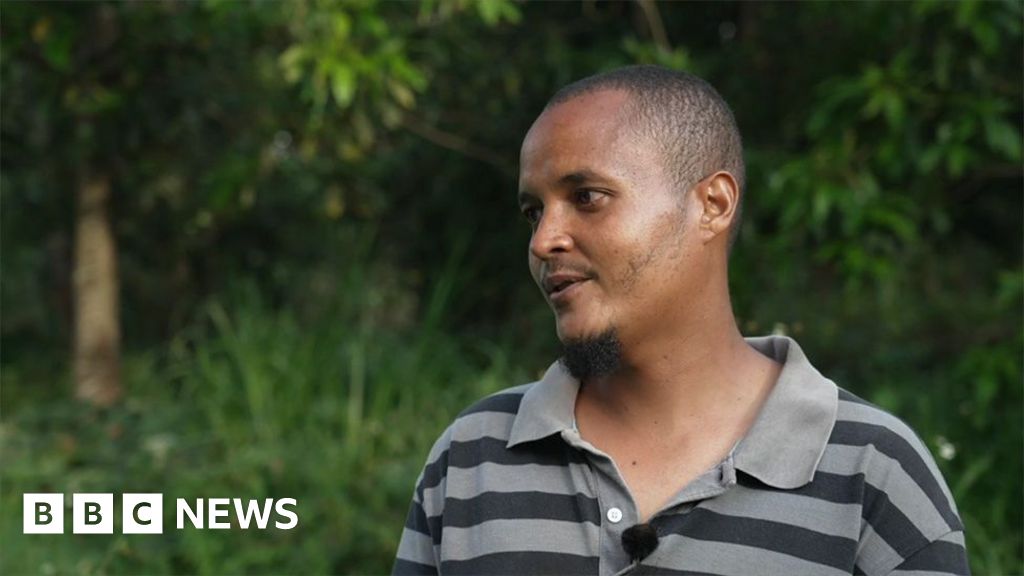
Peter Wambugu, one of the claimants, shared his experience with the BBC, explaining that he grew up knowing his father was a British soldier but had never met him. The 33-year-old chef recounted being bullied as a child for his mixed-race heritage. His mother had described his father as "a good man" who promised to return but never did. Wambugu has since been reunited with his father, who claimed to have been unaware of his son's existence.
“So all the pain that I've been carrying all these 30 years, all the discrimination I get from people, that pain has come out as joy,” Wambugu said after their first meeting.
Another claimant, who remains anonymous for legal reasons, recalled meeting her father once at the age of four and never seeing him again. She described the experience of growing up without him as profoundly difficult, stating that she "felt extremely abandoned."
Legal and Social Implications of the Ruling
James Netto emphasized the significance of the ruling for the families involved: "For many families, today's hearing marks the end of an incredibly difficult journey that for so long felt impossible. Children and young people who previously only had questions, now have answers."
Netto also highlighted that many more people near Batuk are in similar situations. He said the next step is to address cases where individuals have limited or no information about their fathers or family members. This ruling sets a precedent and could potentially lead to a surge in similar cases.
Expert Perspective: Calls for Greater Accountability
Andrew Macleod, a lawyer and campaigner involved in the DNA project, expressed hope that the case would encourage the Ministry of Defence (MoD) to take greater responsibility for paternity claims against Batuk servicemen. "This case highlights the need for the MoD to proactively address these issues and provide support to those affected," Macleod stated. "It's not enough to simply cooperate with local authorities; a more comprehensive and compassionate approach is required."
Historical Context: Batuk and its Impact on Local Communities
The British Army Training Unit Kenya (Batuk) has been a long-standing presence in the Nanyuki region. While the base provides economic benefits through employment and local spending, it has also been a source of tension due to allegations of environmental damage and, as highlighted by this case, issues related to paternity and child support. The presence of foreign military personnel often leads to complex social dynamics within host communities.
The MoD, in a statement to the BBC, stated that "while paternity claims against UK Service Personnel are a private life issue, the government cooperates with local child support authorities where there are claims relating to paternity."
However, critics argue that this response is insufficient and that the MoD should take a more proactive role in ensuring the well-being of children fathered by British soldiers stationed abroad. "The MoD has a duty of care, not just to its personnel, but also to the communities where they are based," argues Professor Amina Mutua, a Kenyan legal scholar specializing in human rights. "This ruling underscores the need for a more comprehensive framework to address paternity claims and ensure that children receive the support they are entitled to."
Looking Ahead: Addressing Future Claims
This case is expected to have far-reaching implications, potentially paving the way for other individuals in similar situations to come forward and seek legal redress. The use of DNA databases has proven to be a powerful tool in establishing paternity, and this ruling could encourage further investigations into cases involving foreign military personnel stationed in other parts of Africa and the world.
The BBC has been following this story for the past year as part of an upcoming five-part World of Secrets podcast, offering a deeper exploration of the complexities and human stories behind these paternity claims. ```
Originally sourced from: BBC News Africa