
Fathers entitled to equal parental leave, South Africa's top court rules
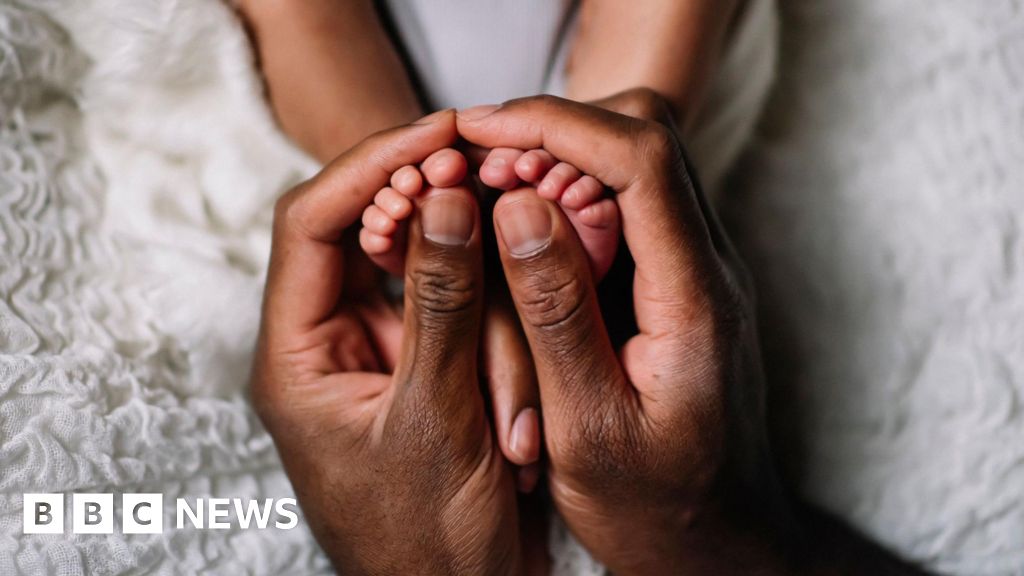
South Africa Court Rules for Equal Parental Leave in Landmark Judgement
South Africa's Constitutional Court has unanimously ruled that all parents are entitled to equal parental leave, overturning existing legislation that favoured mothers. The judgement, delivered on Friday, is being hailed as a significant victory for gender equality and family rights in the country.
The previous law granted mothers four months of maternity leave while fathers were only entitled to 10 days of paternity leave. The court declared parts of the Basic Conditions of Employment Act (BCE) Act and the Unemployment Insurance Fund Act (UIF) unconstitutional, deeming them discriminatory against fathers and other non-birth parents.
Challenging Traditional Gender Roles
Justice Zukisa Tshiqi, delivering the ruling, stated that the existing law perpetuated the assumption that women are the primary caregivers of children, marginalising fathers and depriving them of early involvement in their child's upbringing. She emphasized that the ruling was not only about gender equality but also about protecting the dignity of families and ensuring the wellbeing of children.
"The protection of birth mothers to the exclusion of other parents has the unfortunate consequence of perpetrating the assumption that women are, and should be, the primary caregivers of children. The father is marginalised and deprived of the opportunity to involve himself as a parent in the upbringing of the baby during the early stages of life," Justice Tshiqi said.
Impact on Families and Employers
The case was brought to court by a married couple, the Commission for Gender Equality, and other parties who argued that the existing legislation unfairly burdened mothers and discriminated against non-birth parents, including fathers, adoptive parents, and parents of children born to surrogates. They argued that parenting responsibilities should be shared equally.
Tsietsi Shuping from the Commission for Gender Equality told the BBC that the previous law "did not reflect evolving societal norms around parenting". He added, "The essence of the case is that it highlights the need to provide equal parental leave benefits, recognising that nurturing a child is a shared responsibility."
Legal experts warn that the ruling will have significant implications for employers, who will need to revise their leave policies to comply with the judgement. Labour lawyer Patrick Deale described the judgement to state media as "a positive and expected outcome" for parental rights.
Historical Context and Future Implementation
South Africa's history of social engineering under apartheid continues to shape its present-day legal landscape. While the country has made significant strides in promoting equality and social justice since the end of apartheid, gender inequalities persist. This ruling addresses one such inequality, reflecting a broader effort to dismantle discriminatory practices and promote a more equitable society.
The court has suspended its declaration of invalidity for three years, giving parliament time to amend the current laws to align with the judgement. In the interim, parents are entitled to decide how they want to share the four months and 10 days of leave. If only one parent is employed, that parent may take the full leave allocation.
Expert Analysis: A Step Towards Progressive Family Policy
Dr. Fatima Hassan, a sociologist specializing in family policy at the University of Cape Town, believes the ruling marks a turning point for family structures in South Africa. "This judgement acknowledges the evolving roles of parents and challenges deeply ingrained societal norms. It's a crucial step in promoting more equitable distribution of childcare responsibilities and fostering stronger family bonds," she said.
However, Dr. Hassan also cautions that the implementation of the ruling will require careful consideration of practical challenges, such as the impact on small businesses and the need for adequate support systems for working parents. "The government and private sector need to work together to ensure that this progressive policy translates into tangible benefits for all families in South Africa," she added.
Looking Ahead
The Constitutional Court's decision is expected to spark further debate and discussion about family policy in South Africa and potentially influence similar legal reforms in other African nations. As the country moves towards a more equitable future, this ruling serves as a reminder of the importance of challenging discriminatory practices and promoting the wellbeing of all families.
The ruling mandates equal parental leave for all parents. Parliament has three years to amend existing laws. The judgement is hailed as a victory for gender equality and family rights.
Originally sourced from: BBC News Africa