
Trump hits South Africa with 30% tariffs - no African country has a higher rate
US Tariffs Hit South Africa Hard, Spark Trade Concerns
South Africa is facing a significant economic challenge as the United States imposes a 30% tariff on its goods, the highest rate levied against any sub-Saharan African nation. The move, announced by US President Donald Trump, is set to take effect on August 7th and has triggered widespread concern about its potential impact on South Africa's economy and trade relations with the US.
Ramaphosa Vows to Negotiate as Trade Relationship Strains
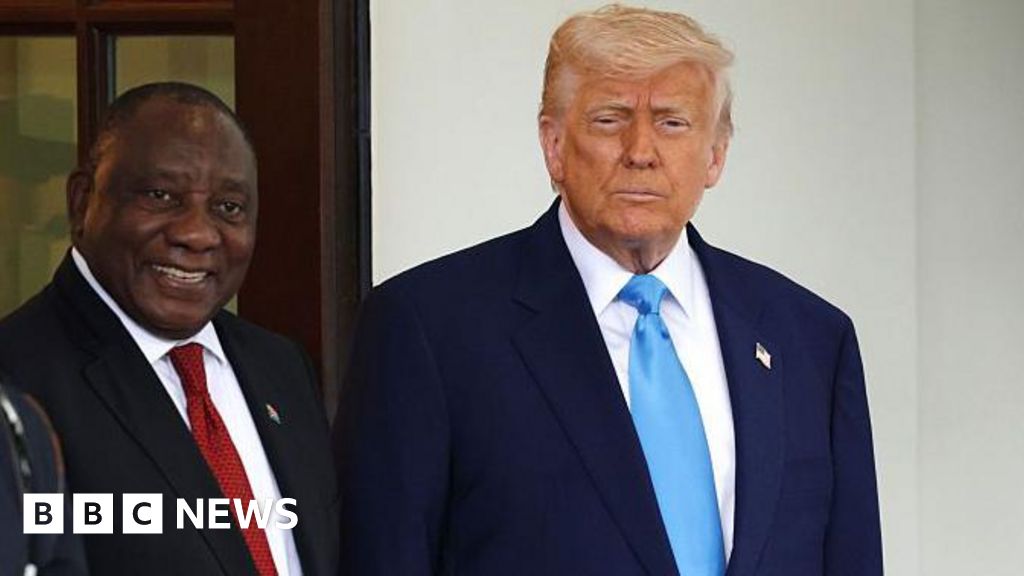
The tariff announcement comes amid already strained relations between President Trump and South African President Cyril Ramaphosa. While other African nations will also be affected, with tariffs of 15% for countries like Nigeria, Ghana, Lesotho, and Zimbabwe, the higher rate for South Africa signals a particularly difficult period for bilateral trade. President Ramaphosa has stated that his administration will "continue negotiating with the US" and has "submitted a framework deal" to try and mitigate the impact. He also announced plans for a support package for vulnerable companies.
AGOA's Future Uncertain
The US is South Africa's second-largest trading partner, and the new tariffs threaten key sectors like automobile, farming, and textiles, which previously enjoyed duty-free access under the African Growth and Opportunity Act (AGOA). AGOA, enacted in 2000, aims to promote economic growth in eligible African countries through preferential trade access to the US market. While officially up for review in September, the current tariffs effectively undermine the spirit of AGOA and cast doubt on its future.
“This is a concerning development. AGOA has been a cornerstone of US-Africa trade relations for two decades, fostering economic growth and diversification,” says Dr. Monde Muyangwa, Director of the Africa Program at the Wilson Center. “These tariffs not only hurt South Africa but also send a chilling signal to other African nations relying on AGOA for market access.”
Economic Impact and Sector Concerns
South Africa's wine industry has voiced particular concern, stating that the tariffs place them at a "severe disadvantage" compared to competitor countries. The US is the fourth-largest importer of South African wine. Similarly, Lesotho's textile industry, a major beneficiary of AGOA, fears it will be unable to compete. Lesotho Trade Minister Mokhethi Shelile told the BBC that the 15% tariff would make it impossible for the country's garment industry to compete.
South Africa faces a 30% tariff. Nigeria, Ghana, Lesotho, and Zimbabwe face 15% tariffs. Kenya and Ethiopia face a 10% tariff.
Trump's Rationale and US-South Africa Relations
President Trump has justified the tariffs as a means to protect American businesses from foreign competition and boost domestic manufacturing. However, the move is widely seen as stemming from broader disagreements with South Africa. The US president has previously criticized South Africa's policies and even stopped aid to the country, alleging discrimination against its white minority – a claim South Africa vehemently denies.
These trade tensions are unfolding against a backdrop of historical complexities. The US and South Africa have had a fluctuating relationship, particularly during the apartheid era when the US imposed sanctions. While relations improved significantly after the end of apartheid, recent disagreements over trade, land reform, and other policy issues have created a new period of friction.
Regional Reactions and the Future of Trade
Other African nations have reacted differently to the tariff announcement. Kenya, for example, welcomed having the "lowest rate among nations with comparable export interests" and reaffirmed its commitment to deepening trade ties with the US. However, the overall sentiment across the continent is one of uncertainty and concern about the future of trade relations with the US.
“The long-term implications of these tariffs extend beyond the immediate economic impact,” argues Professor Carlos Lopes, a former Executive Secretary of the United Nations Economic Commission for Africa. “They raise questions about the US commitment to supporting African development and could lead African nations to diversify their trade partnerships, particularly with countries like China and the European Union.”
While South Africa has secured some exceptions for certain goods, such as copper, pharmaceuticals, and critical minerals, the overall impact of the tariffs is expected to be significant. The coming weeks will be crucial as South Africa attempts to negotiate a favorable outcome with the US and mitigate the damage to its economy.
Originally sourced from: BBC News Africa