
I no longer identify as Nigerian, UK opposition leader says
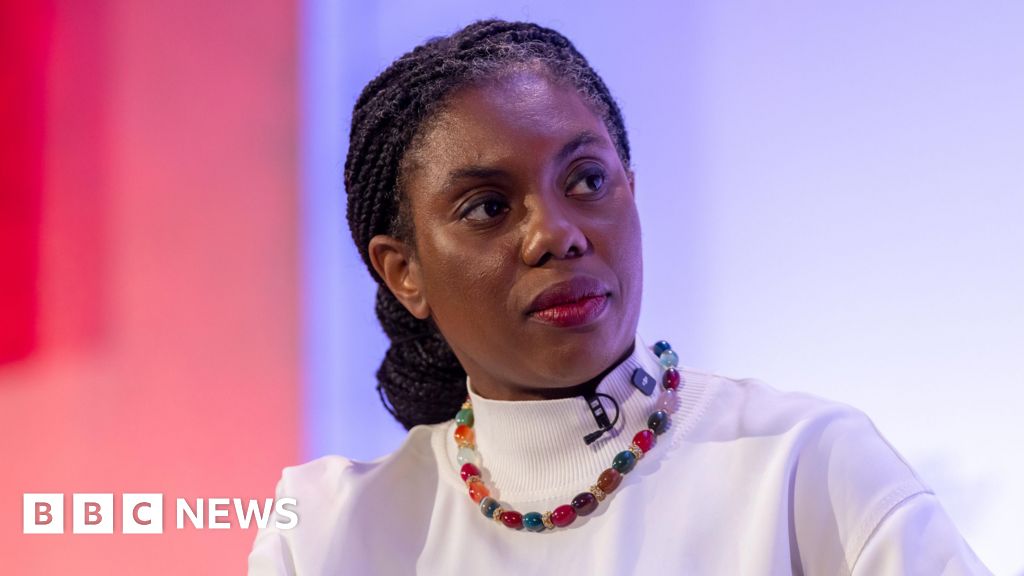
Kemi Badenoch: UK Minister Says She No Longer Identifies as Nigerian
Kemi Badenoch, a prominent figure in the UK Conservative Party and a cabinet minister, has stated that she no longer identifies as Nigerian, a departure from her heritage that has sparked debate and drawn attention to issues of identity and belonging. In a recent interview, Badenoch revealed that she has not renewed her Nigerian passport since the early 2000s, asserting that her primary identity is now British.
"Nigerian Through Ancestry, Not Identity"
Speaking on Gyles Brandreth's Rosebud podcast, Badenoch, who was born in the UK but spent part of her childhood in Nigeria and the US, explained her evolving sense of self. "I'm Nigerian through ancestry, by birth... but by identity, I'm not really," she said. She emphasized that the majority of her life has been spent in the UK, leading her to feel a stronger connection to British culture and society. She also noted the practical challenges of visiting Nigeria, including needing a visa, following her father's death.
Historical and Political Context
Badenoch's comments arrive at a time of complex relations between the UK and Nigeria, shaped by historical ties of colonialism and contemporary dynamics of migration, trade, and development. Her experience as a British politician with Nigerian heritage highlights the multifaceted identities of many individuals within the diaspora. The legacy of colonialism continues to influence perceptions of identity and belonging for many Africans living abroad.
Criticism and Defense
This isn't the first time Badenoch's relationship with her Nigerian background has come under scrutiny. Last year, she faced criticism from Nigeria's Vice-President, Kashim Shettima, after she spoke about growing up in Nigeria amidst corruption and insecurity. Shettima accused Badenoch of "denigrating her nation of origin," a charge that Badenoch's spokesperson refuted.
Badenoch has been a vocal defender of the UK against accusations of racism, stating that she has not experienced racial prejudice "in any meaningful form." She attributes her political outlook, including her aversion to socialism, to her experiences in Nigeria.
Expert Analysis: Identity as a Fluid Concept
Dr. Aisha Bello, a Senior Lecturer in African Diaspora Studies at the University of London, commented on Badenoch's statements. "Identity is a complex and fluid concept, shaped by personal experiences, social contexts, and political realities," Dr. Bello stated. "For individuals with multiple cultural backgrounds, the negotiation of identity can be particularly nuanced. Badenoch's case highlights the ways in which migration and integration can lead to a shifting sense of belonging."
Another perspective comes from political analyst, Mr. Adebayo Ogunlesi, based in Lagos, Nigeria. "While Badenoch is entitled to define her own identity, her comments will likely be viewed through the lens of her political career," Ogunlesi notes. "Some may see it as a strategic move to solidify her position within the Conservative Party, while others might interpret it as a distancing from the challenges facing Nigeria."
Impact and Reactions
Badenoch's remarks have already generated considerable discussion on social media and in political circles, both in the UK and Nigeria. Some have expressed understanding of her perspective, acknowledging the personal nature of identity, while others have criticized her perceived detachment from her Nigerian roots. The debate underscores the ongoing complexities surrounding identity, heritage, and belonging in an increasingly globalized world.
Badenoch's comments have sparked debate about identity and belonging. She has faced criticism from Nigerian officials in the past. Experts emphasize the fluidity and complexity of identity.
Originally sourced from: BBC News Africa