
Mali charges ex-PM with undermining the state over post on X
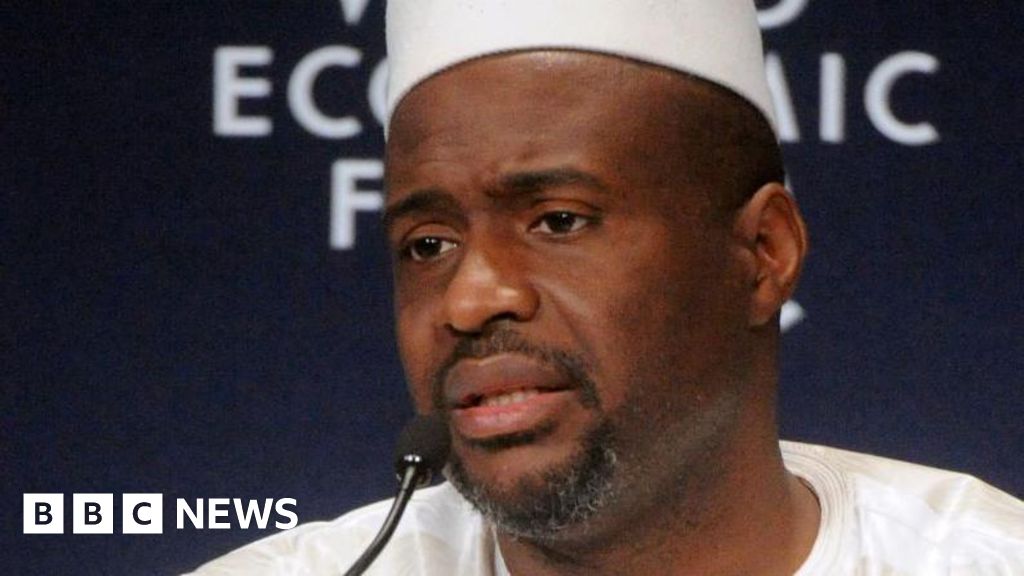
Mali: Former Prime Minister Charged with Undermining State After Social Media Post
A former Prime Minister of Mali, Moussa Mara, has been formally charged with undermining the credibility of the state, opposing legitimate authority, and inciting public disorder, following a social media post critical of the current military junta. The charges stem from a post on X (formerly Twitter) made in July, in which Mara expressed solidarity with detained opposition figures and criticized the government's actions.
Mara, who served as prime minister for nine months a decade ago, is due to stand trial on September 29th. His detention and subsequent charges highlight the increasing suppression of dissent under the military regime that has been in power since coups in 2020 and 2021.
Criticism of Detentions Leads to Charges
The controversial post followed a prison visit by Mara to detained opposition figures. In it, he declared his "unwavering solidarity with prisoners of conscience," stating his visits were to ensure "the flame of hope never fades in them." He further added, "As long as the night lasts, the sun will inevitably rise! And we will fight by all means to make that happen, and as soon as possible!"
Prosecutors from the national cybercrime unit, which questioned Mara, deemed his use of the term "prisoners of conscience" and his pledge to fight for their release as an offence. This interpretation has been met with criticism from human rights organizations, who argue it represents a further erosion of freedom of expression in Mali.
Context: Military Rule and Political Crackdown
Mali has been under military rule since August 2020, when a coup ousted then-President Ibrahim Boubacar Keïta. A second coup in May 2021 solidified the military's grip on power. Since then, the junta, led by Gen Assimi Goïta, has faced international pressure to restore civilian rule.
In May of this year, the junta dissolved all political parties following rare anti-government protests, further silencing opposition voices. A month ago, Gen Goïta was granted a five-year presidential term by the transitional parliament, which is renewable without elections, effectively postponing any return to democratic governance. This move was widely condemned by international observers as a violation of previous commitments to hold elections.
Expert Analysis: A Sign of Deepening Authoritarianism
Dr. Fatoumata Diallo, a political analyst specializing in West African governance at the University of Dakar, argues that Mara's arrest and charges are symptomatic of a deepening authoritarian trend in Mali. "The junta is increasingly intolerant of any form of dissent, even from figures who previously held high office," she stated. "This crackdown on freedom of expression is not only stifling political debate but also undermining the prospects for a peaceful transition to civilian rule."
She further notes that the charges against Mara are vague and broadly defined, allowing the government to target anyone critical of its policies. "The use of cybercrime laws to silence political opponents is a worrying development, and it sets a dangerous precedent for other countries in the region," Dr. Diallo added.
Historical Context: Fragile Democracy and Security Challenges
Mali's democratic institutions have been fragile for decades, hampered by corruption, poverty, and a growing Islamist insurgency. The 2012 Tuareg rebellion in the north of the country, followed by the rise of al-Qaeda-linked groups, plunged Mali into a security crisis that continues to this day.
The military coups were partly justified by the perceived failure of the civilian government to address these security challenges. However, the junta's rule has not led to a significant improvement in the security situation, and the country remains deeply divided. The withdrawal of French and European forces, coupled with the increasing reliance on Russian mercenaries from the Wagner Group, has further complicated the security landscape.
International Reaction and Future Outlook
The international community, including the African Union and the United Nations, has expressed concern over the political situation in Mali and called for the restoration of civilian rule. However, the junta has shown little willingness to compromise, and the country remains isolated on the international stage.
The trial of Moussa Mara will be a key test of the Malian justice system and the junta's commitment to the rule of law. His case will likely further galvanize opposition to the military regime and could potentially lead to further instability in the country.
Related Topics:
Mali Politics West Africa Security Freedom of Expression
Originally sourced from: BBC News Africa