
I no longer identify as Nigerian, UK opposition leader says
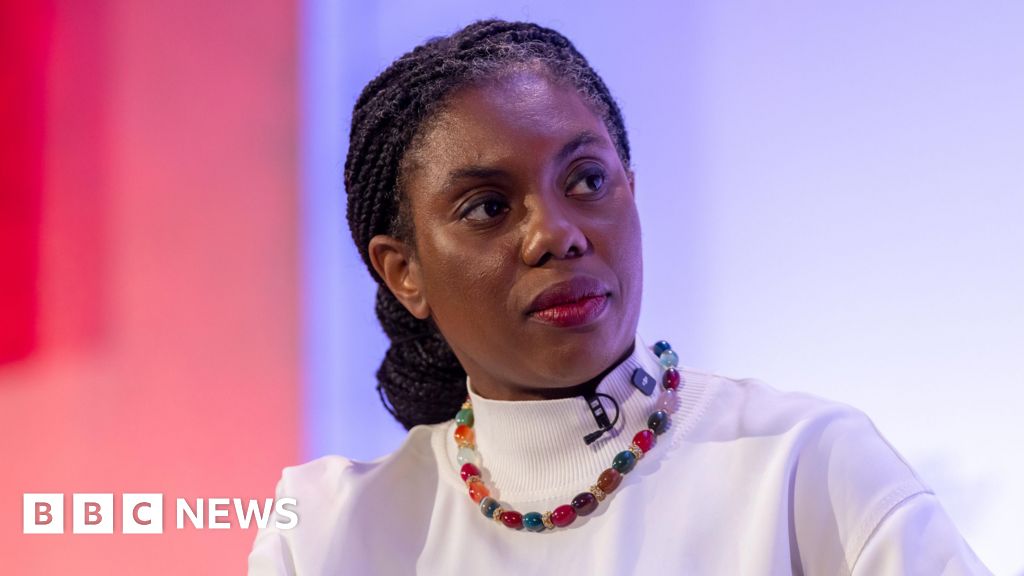
Kemi Badenoch: UK Minister Says She 'No Longer Identifies' as Nigerian
Kemi Badenoch, a prominent figure in the UK's Conservative Party and a cabinet minister, has stated that she no longer identifies as Nigerian, a sentiment linked to her experiences growing up in both Nigeria and the United Kingdom. The statement, made during an interview on a podcast, has sparked debate about identity, belonging, and the complex relationship between diaspora communities and their countries of origin.
Passport Not Renewed Since Early 2000s
Badenoch, born in the UK to Nigerian parents, spent part of her childhood in Nigeria before returning to England at the age of 16. She cited the worsening political and economic climate in Nigeria at the time as a key reason for her return, alongside the pursuit of further education. Speaking on Gyles Brandreth's "Rosebud" podcast, Badenoch explained, "I'm Nigerian through ancestry…but by identity, I'm not really." She also revealed that she has not renewed her Nigerian passport since the early 2000s.
Criticism from Nigerian Vice-President
This is not the first time Badenoch's views on Nigeria have drawn attention. Last year, she faced criticism from Nigeria's Vice-President, Kashim Shettima, who accused her of "denigrating" the country after she spoke about growing up in an environment plagued by corruption and insecurity. A spokesperson for Badenoch defended her comments at the time.
Shaped by Early Experiences
Badenoch emphasized that her early experiences in Nigeria significantly shaped her political outlook, particularly her aversion to socialist ideologies. She recalled feeling a sense of disconnect during her time in Nigeria, stating, "I remember never quite feeling that I belonged there." She added that returning to the UK in 1996 felt like coming home.
'Home is Where My Now Family Is'
Despite her detachment from Nigerian identity, Badenoch acknowledged her strong connection to the country. "I know the country very well, I have a lot of family there, and I'm very interested in what happens there," she said. "But home is where my now family is." Regarding her decision not to renew her passport, she explained, "I don't identify with it anymore. Most of my life has been in the UK and I've just never felt the need to."
Complexities of Identity in the Diaspora
Dr. Remi Adekoya, a political analyst specializing in diaspora studies at the University of York, commented on Badenoch's statement, noting the complexities of identity formation for individuals with ties to multiple cultures. "For many in the diaspora, particularly those who migrated at a young age, the sense of belonging can be fluid and evolve over time," Dr. Adekoya explained. "Badenoch's experience reflects a common phenomenon where individuals prioritize the culture and environment in which they have established their adult lives and careers."
Historical Context: Nigeria and the UK
Nigeria's relationship with the UK has deep historical roots, stemming from the colonial era. While Nigeria gained independence in 1960, the legacy of British rule continues to influence various aspects of Nigerian society, including its political system and legal framework. The UK remains a popular destination for Nigerian migrants seeking educational and economic opportunities, contributing to a large and vibrant Nigerian diaspora. These historical ties add layers of complexity to individual narratives of identity and belonging, such as Badenoch's.
Impact on UK-Nigeria Relations
Some observers believe Badenoch's comments could potentially strain relations between the UK and Nigeria, particularly given her prominent position within the British government. However, others argue that her personal views are unlikely to have a significant impact on broader diplomatic and economic ties. "While some individuals in Nigeria may take offense to Badenoch's statement, the overall relationship between the two countries is multifaceted and based on mutual interests," stated Professor Charles Onanaiyekan, an expert in international relations at the University of Lagos. "It is unlikely that this issue will fundamentally alter the dynamics of UK-Nigeria relations."
Debate on Dual Identity
Badenoch's remarks have reignited the debate surrounding dual identity and the challenges faced by individuals navigating multiple cultural affiliations. Her story highlights the diverse experiences within the diaspora community and the complexities of defining one's sense of self in a globalized world. The reaction to her statement is likely to continue, prompting further discussion about identity, belonging, and the ever-evolving relationship between individuals and their ancestral homelands.
Originally sourced from: BBC News Africa