
I no longer identify as Nigerian, UK opposition leader says
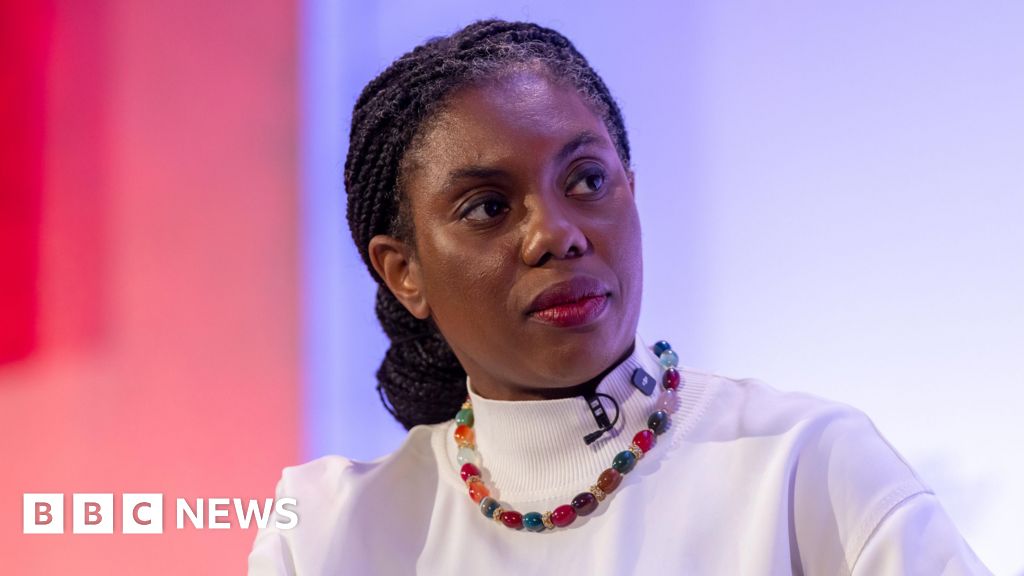
Kemi Badenoch: UK Minister Says She No Longer Identifies as Nigerian
Kemi Badenoch, a prominent figure in the UK's Conservative Party, has stated that she no longer identifies as Nigerian, revealing she has not renewed her Nigerian passport since the early 2000s. The Minister for Women and Equalities and Secretary of State for Business and Trade made the remarks during an interview on a podcast, sparking debate about identity, belonging, and the complexities of diaspora experiences.
Badenoch, who was born in the UK but spent part of her childhood in Nigeria, cited the country's political and economic climate as a key reason for her return to England at the age of 16. She emphasized her strong family ties to Nigeria and her continued interest in the country's affairs, but asserted that her primary identity is now British.
"Nigerian Through Ancestry, Not Identity"
"I'm Nigerian through ancestry, by birth... but by identity, I'm not really," Badenoch explained on the "Rosebud" podcast hosted by Gyles Brandreth. She elaborated that she feels no need to renew her Nigerian passport, having spent most of her life in the UK. Her comments have resonated with many in the diaspora, raising questions about the evolving nature of national identity in an increasingly globalized world.
Her perspective offers a glimpse into the personal journeys of individuals who navigate multiple cultural influences. While some embrace a hyphenated identity, others, like Badenoch, may find that their primary sense of belonging shifts over time.
Historical Context: Nigeria's Challenges and the Diaspora
Badenoch's decision to return to the UK in the 1990s reflects a period of significant political and economic instability in Nigeria. Decades of military rule, coupled with economic mismanagement and widespread corruption, led many Nigerians to seek opportunities abroad. This resulted in a large Nigerian diaspora, particularly in the UK, the United States, and Canada. These communities maintain strong links with their homeland, often contributing significantly to the Nigerian economy through remittances and investments.
Dr. Adia Ukpabi, a Senior Lecturer in African Studies at the University of London, commented on the complexities of diaspora identity. "For many Nigerians living abroad, the question of identity is not always straightforward. While they may maintain strong cultural and family ties to Nigeria, their experiences in their adopted countries inevitably shape their sense of self. Factors such as socio-economic opportunities, political stability, and personal experiences all play a role in how individuals negotiate their identity."
Criticism and Defense
Badenoch's views on Nigeria have previously drawn criticism. Last year, Nigeria's Vice-President Kashim Shettima publicly rebuked her for what he perceived as disparaging remarks about her country of origin. She had spoken about growing up in an environment of fear and insecurity due to corruption. A spokesperson for Badenoch defended her comments, emphasizing her right to express her personal experiences.
This incident highlights a recurring tension between diaspora members and their countries of origin. While many express pride in their heritage, they may also be critical of certain aspects of their homeland's political or social landscape. Balancing these perspectives requires sensitivity and understanding from both sides.
Shaping Political Outlook
Badenoch has stated that her early experiences in Nigeria have shaped her political outlook, particularly her skepticism towards socialist policies. She recalls feeling a sense of disconnect during her childhood in Nigeria and a sense of belonging upon returning to the UK in 1996. She also mentioned that she did not experience racial prejudice in the UK "in any meaningful form," which strengthened her positive view of the country.
Impact and Analysis
Badenoch's comments are likely to fuel further discussion about the evolving nature of identity, particularly among diaspora communities. Her high-profile position in the UK government adds weight to her words, prompting reflection on the experiences of individuals who navigate multiple cultural influences. Whether her views will be widely accepted or continue to be debated remains to be seen, but they undoubtedly offer a valuable perspective on the complexities of belonging in a globalized world.
Political analyst, Chioma Okafor, notes, "Badenoch's statement taps into a deeper conversation about the immigrant experience. It highlights the agency individuals have in defining their own identities, even as they grapple with the expectations and perceptions of others. Her case underscores the fluidity of identity, which is shaped by personal history, lived experiences, and individual choices."
Originally sourced from: BBC News Africa