
Africa: Trump Administration Dials Back on Trade Tariffs, But 30% Import Charges Loom for Some
U.S. Adjusts Trade Tariffs on African Nations, Amidst Ongoing Concerns
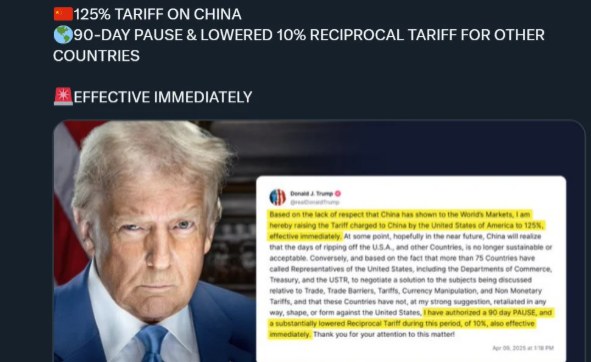
Washington D.C. – The United States government has revised its proposed tariffs on imports from several African countries, offering some relief from initial, more stringent proposals. However, significant tariffs, reaching 30%, are set to be implemented on goods originating from Algeria, Libya, Tunisia, and South Africa in the coming days, raising concerns about potential economic impacts. The adjustments follow an initial announcement in April that sparked widespread debate and diplomatic efforts.
Lesotho Sees Significant Reduction in Proposed Tariffs
Lesotho, initially facing a proposed tariff of 50% – reportedly the highest globally – has seen a substantial reduction to 15%. This aligns the landlocked nation with the tariff levels imposed on several other affected African countries. The initial proposal had caused considerable anxiety in Lesotho, a nation heavily reliant on exports to the United States under the African Growth and Opportunity Act (AGOA).
North African Nations and South Africa Face Stiff Tariffs
Despite the revisions, Algeria, Libya, and Tunisia will face tariffs of 30%. South Africa, which has reportedly engaged in extensive diplomatic efforts to avert the tariffs, also faces the same 30% levy. The South African government has stated it is still awaiting a response from Washington regarding proposals aimed at mitigating the impact of the tariffs. Relations between the U.S. and South Africa have been strained in recent years due to differing foreign policy stances and trade disputes.
Ghana and Uganda Newly Subject to Tariffs
Ghana and Uganda, absent from the initial list released in April, are now subject to a 15% tariff on their exports to the United States. The inclusion of these two nations has prompted questions about the criteria used in determining which countries are subject to the tariffs and the potential impact on their burgeoning trade relationships with the U.S.
Impact and Context: AGOA and Shifting Trade Dynamics
The tariffs are being implemented within the framework of Section 301 of the Trade Act of 1974, which allows the U.S. to impose tariffs in response to unfair trade practices. While the specific justification for the tariffs on each country varies, the overall context reflects a broader shift in U.S. trade policy under recent administrations, marked by a greater emphasis on bilateral trade agreements and the use of tariffs as a negotiating tool.
The African Growth and Opportunity Act (AGOA), enacted in 2000, has been a cornerstone of U.S.-Africa trade relations, providing duty-free access to the U.S. market for eligible sub-Saharan African countries. These new tariffs, however, represent a departure from the spirit of AGOA and raise concerns about the future of the trade relationship. The potential disruption to established supply chains and the impact on African economies are significant concerns.
Expert Analysis: A Geopolitical and Economic Perspective
Dr. Fatima Hassan, a trade economist at the University of Cape Town, notes that "These tariffs, even with the adjustments, send a concerning signal to African nations. They create uncertainty and undermine the predictability that is crucial for attracting investment and fostering sustainable economic growth. While the U.S. may have legitimate concerns about specific trade practices, a more collaborative approach, focused on capacity building and dialogue, would be more effective in achieving long-term trade goals."
According to Professor Kwame Nkrumah, a specialist in international relations at the University of Ghana, "The inclusion of Ghana and Uganda is particularly puzzling. It suggests a broader, perhaps less targeted approach to trade policy that could damage the goodwill built through AGOA. African nations may increasingly look to diversify their trade partners, seeking stronger relationships with countries like China and within the African Continental Free Trade Area (AfCFTA) to mitigate the impact of U.S. trade policies."
Looking Ahead: Implications and Future Negotiations
The implementation of these tariffs is likely to prompt further negotiations between the affected African countries and the U.S. government. The South African government, in particular, is expected to continue its diplomatic efforts to seek a resolution that minimizes the economic impact on its industries. The long-term implications of these tariffs will depend on the outcome of these negotiations and the broader trajectory of U.S.-Africa trade relations.
Affected nations are seeking clarification on the rationale behind the tariffs. Businesses are assessing the potential impact on their operations and supply chains. Regional economic organizations are evaluating the broader implications for African trade.
The situation remains fluid, and further developments are expected in the coming weeks as the tariffs are implemented and negotiations continue.
Originally sourced from: AllAfrica