
Africa: Trump Administration Dials Back on Trade Tariffs, But 30% Import Charges Loom for Some
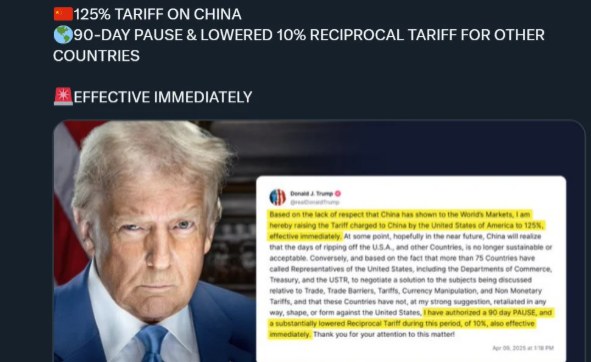
US Adjusts Tariffs on African Imports, But Concerns Remain
Washington D.C. - The United States government has revised its proposed tariff regime on goods imported from several African nations, offering some relief to Lesotho while maintaining or even slightly increasing levies on others, including South Africa, Algeria, Libya, and Tunisia. The changes, initially proposed in April, have sparked debate about the US commitment to fostering economic partnerships with the continent. While some countries see a reduction in potential financial burdens, others face new or heightened challenges in accessing the US market.
Lesotho Sees Significant Tariff Reduction
Lesotho, which initially faced a proposed tariff of 50% – the highest rate under consideration – has seen its potential levy reduced to 15%. This adjustment provides a significant reprieve for the small, landlocked kingdom, heavily reliant on exports, particularly textiles, to the US market under the African Growth and Opportunity Act (AGOA). The AGOA, a cornerstone of US-Africa trade relations since 2000, provides duty-free access to the US market for eligible sub-Saharan African countries. The proposed tariffs, even in their adjusted form, represent a deviation from the spirit of AGOA and raise concerns about its future.
North African Nations and South Africa Face Stiff Tariffs
Despite the reduction for Lesotho, Algeria, Libya, Tunisia, and South Africa will face tariffs of 30% on specific imports. The South African government has stated that it is still awaiting a response from Washington regarding proposals aimed at mitigating the impact of these tariffs. The imposition of these tariffs comes amidst existing trade tensions and adds another layer of complexity to the economic relationship between the US and these nations. The reasons cited by the US administration for the tariffs have varied, often referencing concerns about fair trade practices or national security interests, but details remain vague.
Ghana and Uganda Newly Impacted
Ghana and Uganda, not initially included in the April announcement, now face tariffs of 15% on select imported goods. The unexpected inclusion of these nations in the revised tariff structure has raised questions about the criteria used by the US administration in determining which countries would be affected. Businesses and policymakers in both Ghana and Uganda are now assessing the potential economic impact of these new trade barriers.
Expert Analysis: Implications for US-Africa Trade
Dr. Fatima Hassan, an economist specializing in African trade at the University of Nairobi, notes that the fluctuating tariff policies create uncertainty for African businesses. "The inconsistent application of tariffs undermines the predictability necessary for long-term investment and economic growth," she states. "While the reduction for Lesotho is welcome, the increased or maintained tariffs on other nations signal a shift away from the principles of AGOA and raise questions about the US commitment to fostering equitable trade relationships with Africa."
Dr. Hassan further argues that the tariffs, particularly those impacting South Africa, could have broader geopolitical ramifications. "South Africa is a key economic and political player on the continent," she explains. "Strain on its economy could destabilize the region and potentially open the door for other global powers to increase their influence in Africa."
Historical Context: AGOA and Shifting US Policy
The African Growth and Opportunity Act (AGOA) has been instrumental in boosting trade between the US and Africa. Since its inception, AGOA has facilitated billions of dollars in exports from eligible African countries, supporting economic diversification and job creation. However, recent US trade policies, including the imposition of these tariffs, represent a departure from the AGOA framework and reflect a growing trend of protectionism in US trade policy. This shift has raised concerns among African leaders and trade experts about the future of US-Africa economic relations.
Looking Ahead: Uncertainty and Negotiations
The long-term implications of these tariff adjustments remain uncertain. The affected African nations are likely to continue engaging with the US government in an attempt to negotiate more favorable trade terms. However, the current political climate suggests that significant changes in US trade policy are unlikely in the near future. The focus will likely be on mitigating the negative impacts of the tariffs and exploring alternative trade partnerships to diversify export markets.
The situation highlights the complexities of international trade and the challenges faced by African nations in navigating shifting global economic landscapes. While the adjusted tariffs offer some relief in specific cases, the overall impact on US-Africa trade relations remains a cause for concern.
Originally sourced from: AllAfrica