
Wig ban only lasts a day in Senegal theatre after backlash
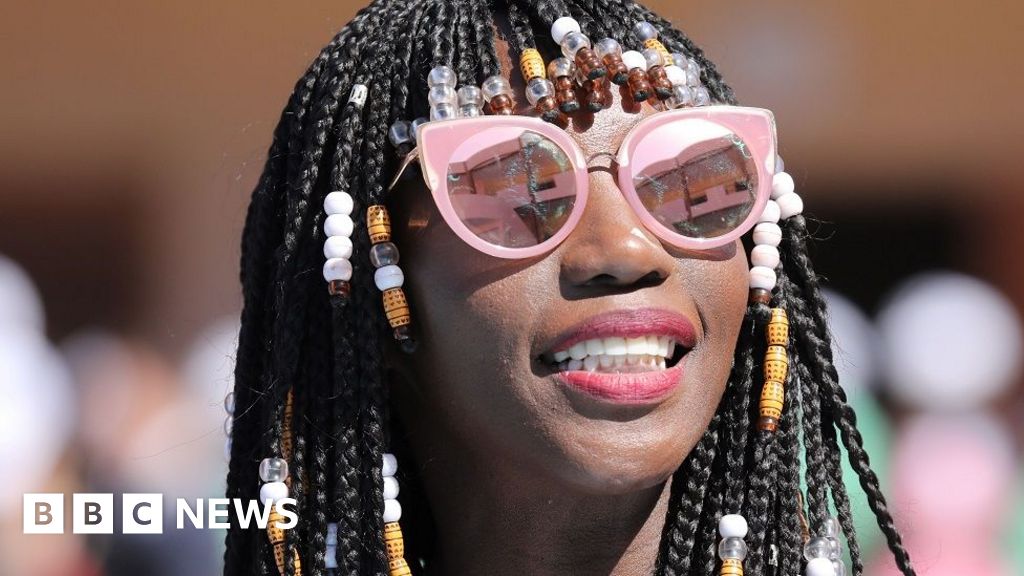
Senegal Theatre Wig Ban Sparks Outrage Before Swift Reversal
A short-lived ban on wigs, hair extensions, and skin-lightening products at the Grand Théâtre de Dakar, Senegal's premier national theatre, ignited a firestorm of public criticism, highlighting simmering tensions surrounding identity, gender politics, and cultural nationalism in the West African nation. The ban, implemented and rescinded within 24 hours, has exposed divisions within Senegalese society and raised questions about the role of state institutions in defining cultural authenticity.
Cultural Authenticity Debate Rages
The initial memo, issued on Monday by theatre director Serigne Fall Guèye, cited the promotion of "Pan-African values" and protection of the institution's cultural image as justification. Guèye, a former prominent figure in the ruling Pastef party, known for its anti-colonial rhetoric, faced immediate accusations of policing women's bodies and imposing a narrow definition of African identity.
The swift reversal of the ban on Tuesday underscores the power of public opinion and the sensitivity of these issues in contemporary Senegal. However, the incident has left a lasting impact, revealing deeper societal anxieties and disagreements.
Backlash and Political Context
Feminist groups and civil society leaders condemned the ban, linking it to broader concerns about gender inequality in Senegal. They pointed to the low representation of women in President Bassirou Diomaye Faye's administration – only four out of 25 ministers – and the recent elimination of the Ministry of Women as evidence of systemic marginalization.
Critics also highlighted Guèye's political background, suggesting his personal ideology was influencing decisions at a supposedly neutral public institution. His previous role leading Pastef's artistic and cultural commission, where he championed a return to "authentic African values," fueled concerns about the imposition of a specific cultural vision.
Expert Analysis: Power Play and Identity
"This isn't about wigs or skin," argues political analyst Fatoumata Ba. "It's about a broader power play – using state institutions to impose a particular version of identity, while silencing or sidelining anyone who doesn't conform."
Social Media Fury
Social media platforms became a battleground, with many users denouncing the ban as sexist, invasive, and paternalistic. Henriette Niang Kandé, a feminist analyst, questioned the logic and intent behind the ban in a widely shared post, asking, "As for [hair] grafts and wigs, should we remind this director that these are aesthetic choices, sometimes economical, often practical? Are we forbidding men from shaving their heads to hide baldness? From wearing false collars to lengthen their necks?"
While a minority defended the ban as an effort to promote cultural pride and combat Eurocentric beauty standards, the overwhelming response was one of outrage and condemnation.
Underlying Issues: Identity, Gender, and Economics
The controversy highlights the complex interplay of identity, gender, and economics in Senegal. Skin-lightening products remain popular despite health risks, reflecting societal pressures related to beauty standards. Women's appearance is often subject to moral scrutiny, raising questions about personal freedom and autonomy.
Sociological Perspective: Beyond Surface Appearances
"If you truly want to affirm African identity," says sociologist Mame Diarra Thiam, "start with language, education, economic justice – not banning weaves and skin [lightening] cream." This perspective emphasizes the need to address systemic issues rather than focusing on superficial aspects of appearance.
Political Fallout and Future Implications
The swift reversal of the ban, while seemingly a victory for critics, also exposed growing discontent with Pastef founder and Prime Minister Ousmane Sonko among urban youth and progressive civil society. These groups, who supported Sonko in the 2024 elections, now feel betrayed by what they perceive as his government's conservatism and centralization of power.
The incident at the Grand Théâtre serves as a microcosm of larger debates about cultural authenticity, gender equality, and the role of the state in shaping identity in post-colonial Africa. While the ban is gone, the underlying issues remain very much alive, promising continued debate and activism in the coming months.
Historical Context: Colonial Legacy and Beauty Standards
The focus on hair and skin color is inextricably linked to the legacy of colonialism, which imposed Eurocentric beauty standards across the African continent. These standards continue to influence perceptions of beauty and success, contributing to the popularity of skin-lightening products and the ongoing debate over natural versus artificial hair.
The wig ban controversy underscores the need for a broader conversation about decolonizing beauty standards and celebrating diverse expressions of African identity.
Originally sourced from: BBC News Africa