
Burkina Faso military rulers screlectoral commission, taking control of future polls
Burkina Faso Junta Disbands Electoral Commission, Consolidating Power
Burkina Faso's military government has dissolved the country's independent electoral commission (CENI), transferring its responsibilities to the Ministry of Territorial Administration. The move, announced on state television RTB, has raised concerns about the transparency and fairness of future elections, particularly given the junta's postponement of a return to civilian rule.
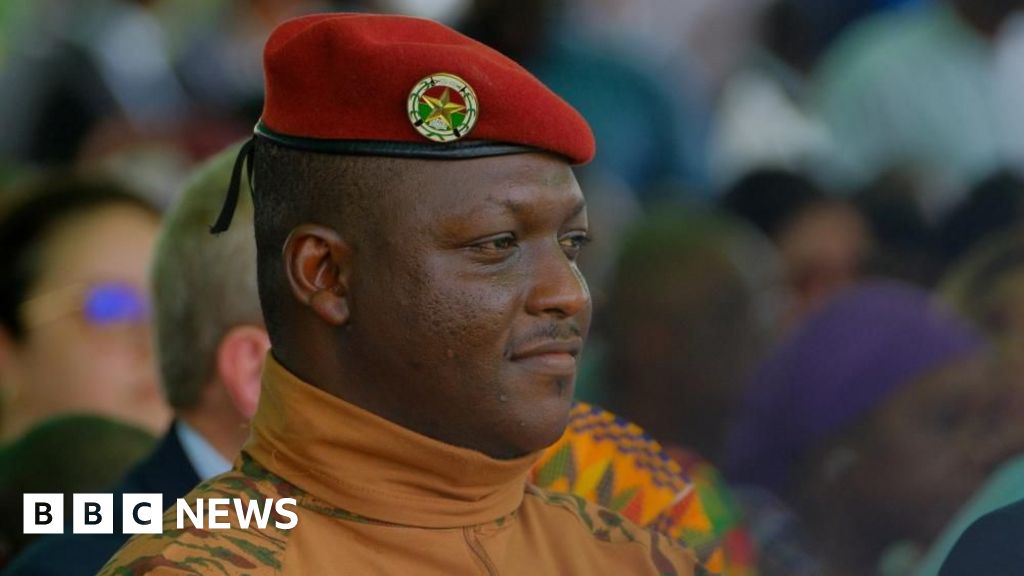
The decision comes as the current leadership, headed by Captain Ibrahim Traoré, continues to consolidate its power following a coup in September 2022. Elections were initially scheduled for last year, but the junta has extended the transition period until July 2029, allowing Captain Traoré to remain in office and potentially contest the next presidential election.
Cost-Cutting or Control?
Territorial Administration Minister Emile Zerbo, as quoted by AFP news agency, stated that the electoral commission was costing the state approximately $870,000 (£650,000) annually. He argued that abolishing the CENI would "reinforce our sovereign control on the electoral process and at the same time limit foreign influences." However, critics view the decision as a means of tightening the military's grip on power and reducing independent oversight of the electoral process.
“This action raises serious questions about the junta’s commitment to a genuine transition to democracy,” says Dr. Cynthia Ohara, a specialist in West African politics at the University of Lagos. “While cost-saving measures are understandable given the country’s security challenges, centralizing electoral administration under the direct control of the interior ministry provides the government with undue influence over the process. It risks undermining the credibility of any future election.”
Context: Instability and Security Concerns
Burkina Faso has been grappling with a growing Islamist insurgency for years. The military seized power citing the civilian government's failure to adequately address the escalating violence. Since then, the junta has shifted its alliances, rejecting assistance from France, the former colonial power, in favor of closer ties with Russia.
However, the security situation remains precarious. Data verified by the BBC indicates that JNIM, an al-Qaeda affiliate, claimed responsibility for over 280 attacks in Burkina Faso in the first half of 2025, double the number recorded during the same period in 2024. This ongoing instability provides a backdrop for the junta's actions and fuels arguments for maintaining a strong, centralized government.
Historical Parallels and Regional Implications
Burkina Faso's situation is not unique in the Sahel region. Several countries, including Mali and Niger, have experienced military coups in recent years, often citing similar justifications of security failures and a desire for greater sovereignty. The rise of military governments in the region has led to concerns about democratic backsliding and the potential for further instability.
According to Joseph Siegle, Director of Research at the Africa Center for Strategic Studies in Washington D.C., “The trend of military takeovers in the Sahel reflects a broader crisis of governance and legitimacy. The focus on security, while understandable, often comes at the expense of democratic principles and human rights. The disbanding of the electoral commission in Burkina Faso is a worrying sign that the junta prioritizes control over genuine political participation.”
Human Rights Concerns
Alongside security concerns, the junta has faced criticism from human rights organizations. These groups have accused the military of targeting civilians in its efforts to combat militants, as well as suppressing political activity and freedom of expression. The dissolution of the electoral commission further contributes to these concerns, potentially silencing dissenting voices and limiting opportunities for political opposition.
Looking Ahead
The dismantling of the CENI raises significant questions about the future of democracy in Burkina Faso. With the transition period extended to 2029 and the electoral process now under the direct control of the government, the prospects for a free and fair election appear increasingly uncertain. The international community will be closely watching developments in Burkina Faso, urging the junta to uphold its commitments to a return to civilian rule and to ensure that future elections are conducted in a transparent and credible manner.
Originally sourced from: BBC News Africa