
South Africa: 'People First, Not Populism' - Operation Dudula's Anti-Migrant Tactics Under Fire
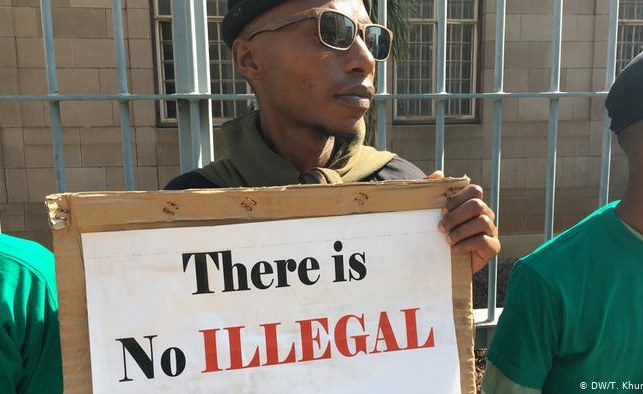
Operation Dudula Accused of Obstructing Healthcare Access for Foreign Nationals in Johannesburg
Johannesburg, South Africa – Operation Dudula, a controversial anti-immigrant group, is facing renewed criticism for allegedly disrupting healthcare services and barring foreign nationals from accessing clinics in Johannesburg. The group's actions have sparked outrage from community leaders and human rights organizations, who argue that such conduct violates South Africa's constitutional guarantees of healthcare access.
Constitutional Rights Under Scrutiny
Section 27 of the South African Constitution guarantees everyone the right to access healthcare services, including basic healthcare and emergency medical treatment. This right applies regardless of nationality or immigration status. However, Operation Dudula maintains that its actions are justified in prioritizing healthcare access for South African citizens, citing strain on public resources and perceived negative impacts of undocumented immigration.
Community Leaders Condemn Actions
Several community leaders have voiced strong condemnation of Operation Dudula's activities. They argue that blocking access to healthcare based on nationality is a violation of fundamental human rights and undermines the principles of inclusivity and equality enshrined in the Constitution. Concerns have also been raised about the potential for these actions to create a climate of fear and discrimination within healthcare facilities.
Operation Dudula's Stance
Founded in Soweto, Johannesburg, in 2021, Operation Dudula aims to address socio-economic issues by targeting undocumented immigrants. The group, whose name translates to "force out" or "knock down" in isiZulu, asserts that undocumented immigrants exacerbate unemployment, strain public healthcare systems, and contribute to crime in South Africa. They believe their actions are necessary to protect the interests of South African citizens.
Historical Context and Current Tensions
South Africa has a complex history of migration, shaped by apartheid-era labor practices and regional economic disparities. The legacy of inequality and limited opportunities continues to fuel tensions between South African citizens and foreign nationals, particularly those from other African countries. The rise of anti-immigrant sentiment has been attributed to factors such as high unemployment rates, poverty, and perceptions of inadequate service delivery.
Expert Perspective: Socio-economic Factors and Xenophobia
Dr. Fatima Hassan, a public health policy expert at the University of Cape Town, argues that the issue is far more complex than Operation Dudula portrays. "While resource constraints within the healthcare system are real and require urgent attention, scapegoating foreign nationals is not the solution. It diverts attention from systemic issues such as inadequate funding, mismanagement, and corruption. Furthermore, these actions fuel xenophobia and create a hostile environment for vulnerable populations."
Human Rights Concerns and Allegations of Vigilantism
Critics, including human rights groups, accuse Operation Dudula of xenophobia, hate speech, and unlawful vigilantism. They argue that the group's actions promote discrimination and incite violence against foreign nationals. Concerns have been raised about the potential for these actions to escalate into broader social unrest and undermine the rule of law.
Legal Challenges and the Role of Law Enforcement
Several legal challenges have been brought against Operation Dudula, alleging that its activities are unlawful and violate the rights of foreign nationals. Law enforcement agencies have been criticized for their perceived inaction in addressing the group's activities and ensuring the safety and security of all residents, regardless of their nationality. The government faces increasing pressure to address the underlying socio-economic factors that contribute to anti-immigrant sentiment and to uphold the constitutional rights of all individuals within its borders.
The Way Forward: Addressing Root Causes
Analysts suggest that a comprehensive approach is needed to address the complex challenges related to migration and socio-economic development in South Africa. This includes strengthening the healthcare system, addressing unemployment and poverty, promoting social cohesion, and combating xenophobia through education and awareness campaigns. Addressing the root causes of these issues is crucial to building a more inclusive and equitable society for all.
Originally sourced from: AllAfrica