
Eswatini: U.S. Deports Convicted Criminals to Eswatini, Sparks Outcry
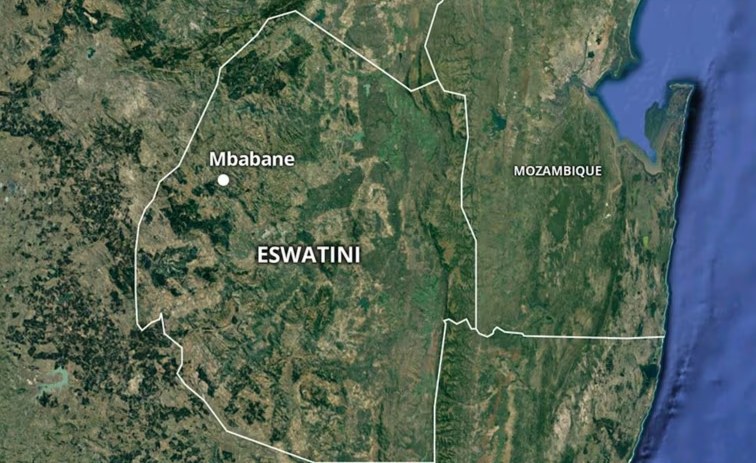
U.S. Deports Five Convicted Criminals to Eswatini Amid Repatriation Challenges
MBABANE, Eswatini – The United States has deported five individuals convicted of serious crimes to Eswatini, citing difficulties in securing their repatriation to their countries of origin. The deportees, nationals of Vietnam, Jamaica, Laos, Cuba, and Yemen, were convicted of offenses including murder and child rape, according to a statement from the U.S. Department of Homeland Security.
The move has raised questions about international deportation protocols and the responsibilities of nations to accept their citizens, even those with criminal records. Eswatini's government has confirmed receiving the individuals and stated they are being held in isolated correctional facilities.
U.S. Cites Repatriation Obstacles
Tricia McLaughlin, a Homeland Security official, explained that the deportations were necessitated by the refusal of the individuals' home countries to accept their return. "Despite repeated attempts to coordinate repatriation with the respective governments, we encountered significant obstacles," McLaughlin stated. "In accordance with U.S. law and international agreements, the U.S. sought a safe third country to accept these individuals."
Eswatini was identified as that "safe third country," although the specific criteria used in its selection were not immediately disclosed. The Eswatini government, through a spokesperson, assured the public that the individuals are being securely detained and pose no immediate threat to the local population. The statement emphasized that the arrangement is temporary and aimed at facilitating the deportees' eventual return to their home countries.
Eswatini's Role and International Collaboration
The U.S. and Eswatini have indicated plans to work with the United Nations' immigration agency, the International Organization for Migration (IOM), to manage the logistical and diplomatic complexities of the situation. The IOM's involvement is expected to focus on mediating discussions with the deportees' countries of origin and coordinating their eventual transfer. This collaboration highlights the growing role of international organizations in addressing migration challenges and ensuring that deportations are conducted in accordance with human rights principles.
Historical Context and Regional Implications
Deportation practices have long been a contentious issue in international relations, particularly between developed and developing nations. Historically, African countries have faced challenges related to the deportation of their citizens from Western nations, often due to a lack of resources to reintegrate them or concerns about the individuals' potential impact on local communities. This particular case, however, is unique in that it involves the U.S. deporting non-African nationals to an African nation.
Dr. Sipho Dlamini, a political science professor at the University of Eswatini, commented on the situation, stating, "This situation presents a complex legal and ethical dilemma. While Eswatini has a responsibility to uphold international law and cooperate with the U.S., it also raises questions about the country becoming a de facto holding center for individuals rejected by their own nations. The long-term implications for Eswatini's relationship with both the U.S. and other African countries need careful consideration."
Legal and Ethical Considerations
The legal basis for the U.S. to deport individuals to a third country hinges on the existence of agreements or understandings between the two nations. The specifics of the agreement between the U.S. and Eswatini regarding these deportations remain unclear. The situation also raises ethical questions about the fairness of transferring responsibility for managing potentially dangerous individuals to a country with limited resources. Furthermore, the human rights of the deportees themselves are a concern, ensuring they have access to legal representation and fair treatment while in detention.
Expert Analysis
According to immigration law expert, Professor Kwame Toure at the University of Cape Town, "The U.S. reliance on 'safe third country' agreements, while legally permissible in some instances, often shifts the burden of managing complex cases onto nations with less capacity to handle them. This raises concerns about potential human rights violations and the fairness of the process. It also underlines the urgent need for stronger international cooperation on repatriation and a more equitable distribution of responsibility for managing migration flows."
The situation in Eswatini is being closely monitored by international human rights organizations and legal scholars. The coming weeks and months will be crucial in determining how this unusual deportation case is resolved and what impact it has on international migration policies.
Originally sourced from: AllAfrica