
Ozzy Osbourne dies, weeks after farewell show
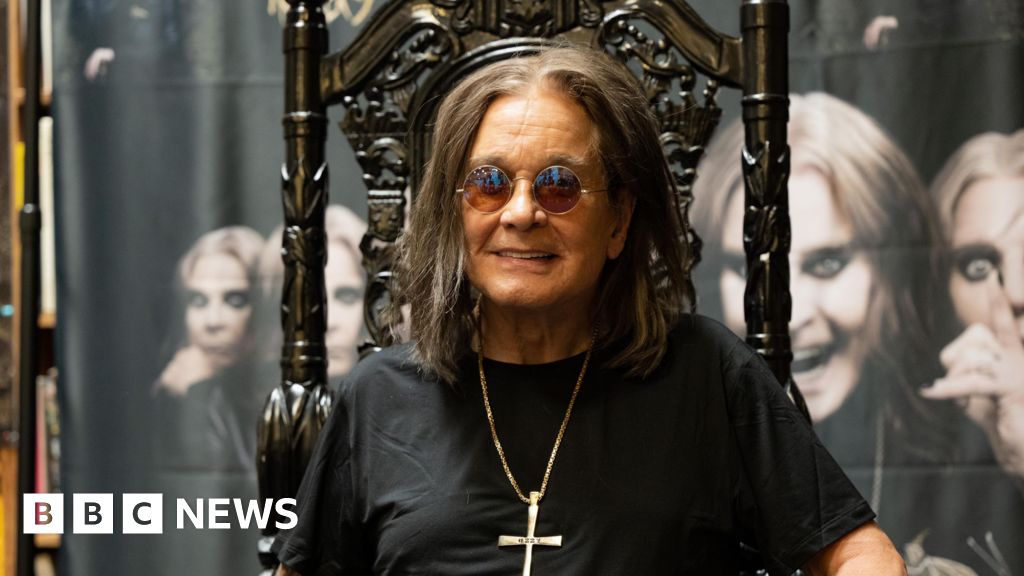
```html Ozzy Osbourne, 'Prince of Darkness' and Heavy Metal Pioneer, Dies at 76
Ozzy Osbourne, the iconic frontman of Black Sabbath and a pivotal figure in the creation of heavy metal, has died at the age of 76. News of his passing comes just weeks after what was billed as his farewell performance in his hometown of Birmingham, England.
Osbourne's family confirmed his death in a statement, saying, "It is with more sadness than mere words can convey that we have to report that our beloved Ozzy Osbourne has passed away this morning. He was with his family and surrounded by love." The cause of death was not specified, though Osbourne had publicly battled Parkinson's disease since 2019 and faced numerous other health challenges in recent years.
Black Sabbath and the Birth of Heavy Metal
Born John Michael Osbourne in Aston, Birmingham, he rose to prominence as the lead singer of Black Sabbath in the late 1960s. Alongside guitarist Tony Iommi, bassist Geezer Butler, and drummer Bill Ward, Osbourne forged a sound that was darker, heavier, and more ominous than anything heard before. Songs like "Iron Man," "Paranoid," and "War Pigs" established the band as pioneers of the heavy metal genre, influencing generations of musicians to come.
"Black Sabbath's impact on music is undeniable," says Dr. Deena Weinstein, a professor of sociology at DePaul University and author of 'Heavy Metal: The Music and Its Culture.' "They synthesized blues, rock, and a fascination with the occult to create a sound that resonated with a generation searching for something darker and more rebellious. Ozzy's stage presence and distinctive vocals were integral to that sound."
Solo Success and 'The Osbournes'
After being fired from Black Sabbath in 1978 due to substance abuse issues, Osbourne launched a successful solo career with the release of "Blizzard of Ozz" in 1980. The album, featuring the hit single "Crazy Train," cemented his status as a solo artist. His subsequent albums, including "Diary of a Madman," further solidified his popularity and cemented his "Prince of Darkness" persona.
In the early 2000s, Osbourne experienced a career resurgence with the MTV reality show "The Osbournes." The show offered a glimpse into the chaotic and often humorous life of the Osbourne family, revealing a more approachable and relatable side to the rock icon. The show humanized Osbourne, showcasing his role as a husband and father, a stark contrast to his wild on-stage antics.
Legacy and Tributes
Osbourne's impact on music extends beyond his contributions to heavy metal. He influenced popular culture, shaping perceptions of rock music and celebrity. His battles with addiction and health problems were often public, making him a relatable figure for many fans.
News of Osbourne's death has prompted an outpouring of tributes from fellow musicians and fans. Elton John described him as "a dear friend and a huge trailblazer who secured his place in the pantheon of rock gods – a true legend." Queen guitarist Brian May praised Osbourne's "unique presence and fearless talent."
"Ozzy's influence is so widespread," says music journalist Mick Wall, author of numerous rock biographies. "He transcended the heavy metal label. He became a cultural icon. He was the lovable rogue, the guy who survived everything. His music will continue to inspire and entertain for generations to come."
Osbourne released 13 studio albums as a solo artist. Black Sabbath sold over 70 million records worldwide. "The Osbournes" aired for four seasons on MTV.
Final Farewell
Osbourne's final concert, held in Birmingham on July 5th, was a poignant moment for fans. Despite his health challenges, he delivered a powerful performance, reaffirming his enduring passion for music. He was joined on stage by Pantera frontman Phil Anselmo, who acknowledged Osbourne and Black Sabbath's profound influence on his own career.
Ozzy Osbourne is survived by his wife, Sharon, and their children Aimee, Kelly, and Jack, as well as three children from a previous marriage: Jessica, Louis, and Elliot. His legacy as a musical innovator and cultural icon will undoubtedly endure. ```
Originally sourced from: BBC Entertainment