
Oil-rich Sudanese region becomes new focus of war between army and rival forces
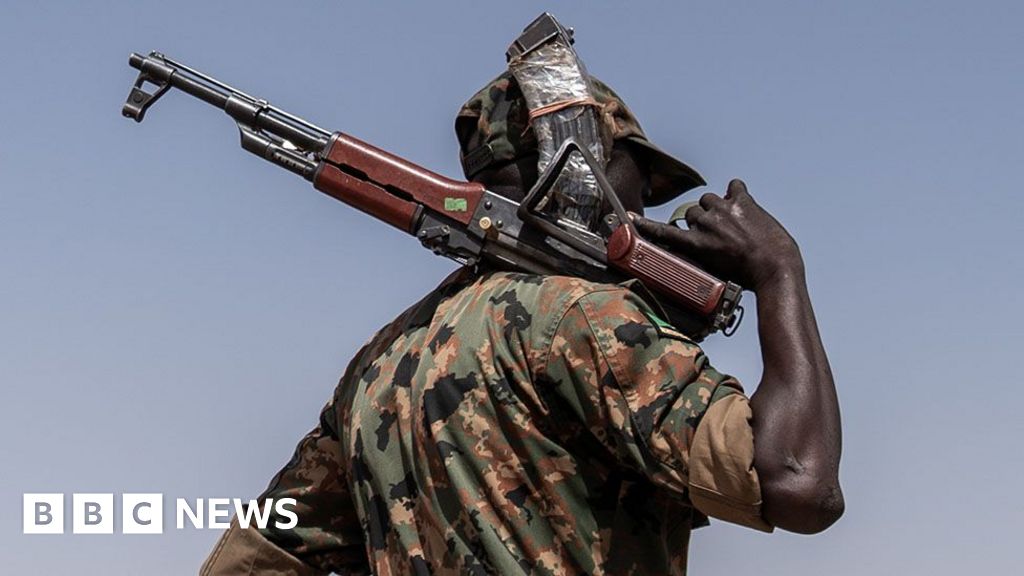
Sudan's Kordofan Region Becomes Epicenter of War, Threatening Oil Supplies and Regional Stability
The oil-rich Kordofan region of Sudan has emerged as a critical battleground in the ongoing conflict between the Sudanese army and the paramilitary Rapid Support Forces (RSF). Intensified fighting in recent weeks has raised concerns about the control of Sudan's oil resources, the stability of neighboring South Sudan, and the potential for further escalation of the humanitarian crisis. Attacks resulting in hundreds of civilian deaths have drawn international attention to the escalating conflict in this strategically important region.
Control of Kordofan Key to National Power
"Whoever controls Kordofan effectively controls the country's oil supply, as well as a huge chunk of Sudan," explains Amir Amin, an analyst with the risk consultancy Oasis Policy Advisory. The region's significance extends beyond oil. It is also a vital transit route for South Sudan's oil exports, which depend on pipelines running through Kordofan. Any instability in the region directly impacts South Sudan's economy and security.
A Region Divided: Army vs. RSF
Since June, the Sudanese army has focused on regaining control of Kordofan from the RSF, which had made significant gains earlier in the conflict, including capturing parts of the capital, Khartoum. The army's attempts to dislodge the RSF have led to fierce fighting, particularly in West Kordofan. In July, General Abdel Fattah al-Burhan, Sudan's military leader, made a rare visit to Khartoum, signaling the army's commitment to regaining control of the country, although he remains primarily based in Port Sudan.
The conflict, which began in April 2023, stems from a power struggle between General Burhan and General Mohamed Hamdan Dagalo, the commander of the RSF, known as "Hemedti." The RSF, which had previously supported Burhan in a 2021 coup, turned against him after Dagalo resisted the army's plan to integrate the paramilitary force.
Analysts Viewpoints on Strategic Objectives
Alan Boswell, an analyst with the International Crisis Group, suggests the army aims to defeat the RSF in Kordofan to facilitate a westward push into Darfur, the paramilitary group's stronghold. Conversely, the RSF seeks to secure Kordofan to gain momentum and potentially threaten central Sudan, including Khartoum.
Ethnic Dynamics and Local Resistance
Dr. Suliman Baldo, director of the Sudan Transparency and Policy Tracker think-tank, expresses skepticism about the army's ability to dislodge the RSF in Kordofan. He highlights the RSF's strong support base among the Misseriya ethnic group in West Kordofan, who are likely to fiercely defend their communities. Airstrikes by the army in West Kordofan, including attacks on civilian areas, have further alienated the local population, potentially bolstering support for the RSF.
Humanitarian Catastrophe Worsens
The conflict has already resulted in a devastating humanitarian crisis, claiming an estimated 150,000 lives and displacing approximately 12 million people. The United Nations Office for the Coordination of Humanitarian Affairs (OCHA) has condemned attacks on civilians and civilian infrastructure, including schools and shelters. UNICEF reports that hundreds of civilians, including children and pregnant women, have been killed in recent attacks in North Kordofan.
The Yale Humanitarian Research Lab has analyzed satellite imagery indicating intentional arson attacks in villages in North Kordofan. The Emergency Lawyers rights group reports that many victims were burned to death in their homes or shot.
Fears of Further Escalation
There are growing concerns that the civilian death toll will rise as the RSF reportedly prepares for an offensive to capture el-Obeid, the capital of North Kordofan. The town of Umm Sumaima, a key defensive position for the Sudanese Armed Forces, has changed hands multiple times in recent weeks.
Amin of Oasis Policy Advisory believes that controlling Umm Sumaima would allow the RSF to besiege the military base in el-Obeid, while the army seeks to secure the town to establish a new supply route. This intense competition for control of strategic locations underscores the high stakes involved in the battle for Kordofan.
A Protracted Conflict Looms
The battle for Kordofan, a vast region covering approximately 390,000 square kilometers, is expected to be long and drawn out. While the outcome of the conflict remains uncertain, the control of Kordofan will undoubtedly have a significant impact on the future of Sudan.
Originally sourced from: BBC News Africa