
Ethiopian official denies Donald Trump's claim that US funded River Nile dam
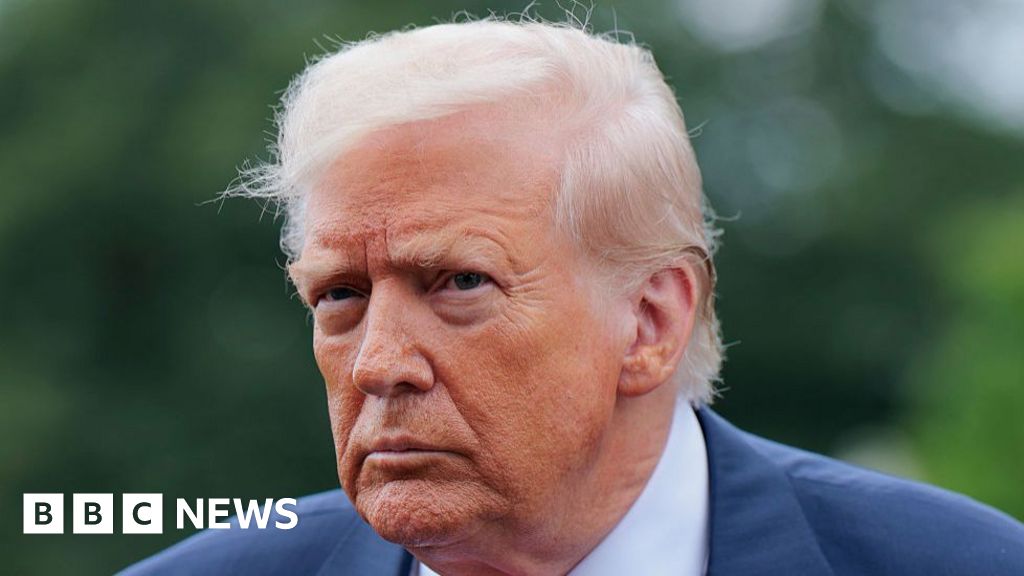
Ethiopian Official Rejects Trump's Claim of US Funding for Nile Dam
An Ethiopian official has refuted claims made by former US President Donald Trump that the United States largely funded the Grand Ethiopian Renaissance Dam (GERD) on the River Nile. The official described the assertion as false and "destructive," reiterating that the project was financed by the Ethiopian government and its citizens.
Denial Follows Trump's Repeated Claims
Fikrte Tamir, deputy director of the GERD Coordination Office, dismissed Trump's remarks as baseless. "The dam was built without any foreign aid," she stated, emphasizing the project's reliance on domestic resources. This denial comes after Trump repeatedly asserted US financial involvement in the dam's construction, most recently on his Truth Social platform, where he claimed the dam was "stupidly financed by the United States of America."
GERD: A Source of National Pride and Regional Tension
The GERD, Africa's largest hydroelectric power plant, is a source of immense pride for Ethiopians. However, its construction has been a point of contention with Egypt and Sudan, both downstream countries that rely heavily on the Nile for their water supply. They fear the dam could significantly reduce the amount of water reaching their territories.
Historical Context of the Nile River Dispute
The Nile River has been a source of contention among riparian countries for decades. Colonial-era agreements, which largely favored Egypt, have been challenged by upstream nations like Ethiopia, seeking to utilize the river's resources for development. The GERD represents Ethiopia's ambition to harness the Blue Nile's power for electricity generation, a critical need given that a significant portion of its population lacks access to reliable power.
The Ethiopian government has consistently maintained that the GERD is crucial for its economic development and that it is committed to ensuring the dam does not significantly harm downstream water flow. However, negotiations between Ethiopia, Egypt, and Sudan over the dam's filling and operation have stalled repeatedly, raising concerns about potential future conflicts.
Concerns Over Trump's Comments
Trump's repeated claims have sparked debate within Ethiopia, with some questioning the Gerd Coordination Office's awareness of any potential deals between the Ethiopian government and the US, given its technically independent status. The Ethiopian government has yet to officially respond to Trump's statements.
Dr. Yonas Adaye Adeto, a water resources management expert at Addis Ababa University, believes Trump's remarks are "unhelpful and potentially damaging to ongoing diplomatic efforts." He argues that "accurate information is crucial for fostering trust and finding mutually agreeable solutions to the Nile River dispute. Misrepresenting the funding sources only serves to further polarize the issue."
Impact on US-Ethiopia Relations
These claims could further strain relations between the US and Ethiopia, which have seen fluctuations in recent years. The US has historically played a role in mediating the GERD dispute, and such pronouncements could undermine its credibility as an impartial broker. The long-term impact on regional stability remains to be seen.
Ethiopia's Funding Model for the GERD
The Ethiopian government primarily funded the GERD through a combination of government funds, bond sales to companies, salary deductions from employees, and donations from the Ethiopian diaspora. This model was designed to ensure Ethiopian ownership and control over the project. According to the GERD Coordination Office, in the year leading up to July 7, 1.7 billion birr ($12.3 million; £9.1 million) was collected from the public.
Looking Ahead
The completion of the GERD marks a significant milestone for Ethiopia, but the ongoing dispute with Egypt and Sudan remains a challenge. Continued dialogue and a commitment to finding a mutually acceptable agreement are essential for ensuring the sustainable and equitable use of the Nile River's resources. The role of international actors, including the US, will be crucial in facilitating these discussions and promoting regional stability.
As stated by Professor Jemal Mohammed, a political analyst specializing in Horn of Africa affairs, "The GERD issue is deeply intertwined with national pride, economic development, and regional security. A collaborative approach, based on scientific evidence and mutual respect, is the only path forward to resolving this complex issue."
Originally sourced from: BBC News Africa