
Ebonyi governor gets 48-hour ultimatum to sack SSG over alleged ₦1bn corruption scandal
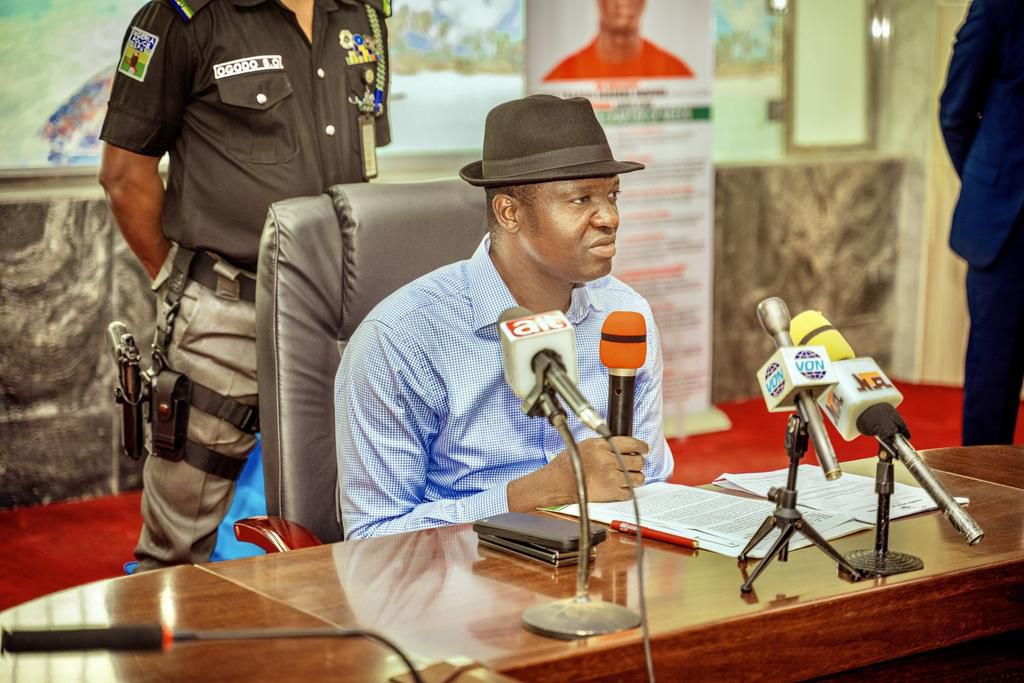
Ebonyi SSG Faces Sack Ultimatum Amidst ₦1 Billion Corruption Allegations
A diaspora group representing Ebonyi indigenes has issued a 48-hour ultimatum to Governor Francis Nwifuru, demanding the immediate dismissal of the Secretary to the State Government (SSG), Prof. Grace Umezuruike. This demand follows a court order for the interim forfeiture of over ₦1 billion, funds allegedly diverted from Ebonyi State's treasury.
The Association of Ebonyi Indigenes Socio-Cultural in the Diaspora (AEISCID) insists that Umezuruike's removal is crucial for ensuring a transparent and unhindered investigation by the Economic and Financial Crimes Commission (EFCC). The group's strong stance highlights growing concerns about governance and financial accountability within the state.
Court Order and EFCC Investigation
The interim forfeiture order was issued on July 8th by Justice Maureen Onyetenu of the Federal High Court in Uyo. This order came after the EFCC presented an ex parte application implicating Umezuruike and her aide, Ngene Nwanna Onyeabor, in the alleged diversion of public funds. The EFCC's investigation is ongoing, and the court order allows the agency to temporarily seize the assets in question pending further inquiries.
Diaspora Group Expresses Outrage
In a strongly worded statement, AEISCID President (Worldwide), Ambassador Pascal Oluchukwu, voiced the group's dismay at the Ebonyi State government's perceived silence on the unfolding scandal. "How can such humongous corruption take place in a state where abject poverty walks the streets stark naked?" Oluchukwu questioned. He further asserted, "The SSG should have stepped aside the moment a prima facie case was established."
AEISCID credited social critic Nwoba Chika Nwoba for bringing the matter to the EFCC's attention through a formal petition, which subsequently led to the freezing of the implicated accounts. The group is also urging the Ebonyi State government to officially join the legal proceedings as a party, a move they believe will facilitate the recovery of the allegedly misappropriated funds for the benefit of the state's citizens.
Call for Broader Investigation
The diaspora group is not limiting its concerns to the current allegations. AEISCID is calling on the EFCC to broaden its investigation to include contractors and officials involved in potential financial irregularities spanning the eight-year tenure of former Governor Dave Umahi. The group alleges a continued undue influence of the former governor on the current administration. "Ebonyi cannot breathe because former Governor Umahi still holds the state by the neck and his successor by the balls," AEISCID stated, vowing to pursue the matter until all diverted funds are recovered.
AEISCID characterized the alleged corruption as potentially exceeding that of all previous administrations combined and warned that failure to act decisively would constitute a betrayal of public trust. "It is about a people and their collective destiny to save their state from shame and eventual doom," the group concluded.
Expert Analysis: The Impact of Corruption on State Development
According to Dr. Ada Okeke, a political science lecturer at the University of Nigeria, Nsukka, "Allegations of corruption at this scale can have devastating consequences for a state like Ebonyi, hindering its ability to invest in essential services like education, healthcare, and infrastructure. It erodes public trust in government and discourages both local and foreign investment." She emphasized the importance of a swift and transparent investigation to restore confidence and ensure accountability.
Historical Context: Corruption in Nigerian Politics
Corruption has been a persistent challenge in Nigerian politics and governance since its independence. Successive administrations have struggled to effectively combat the problem, which manifests in various forms, including embezzlement, bribery, and contract inflation. The EFCC, established in 2003, is the primary anti-corruption agency in Nigeria. Its effectiveness, however, has been debated over the years, with critics pointing to selective prosecution and political interference.
The current case in Ebonyi State underscores the continued need for vigilance and robust anti-corruption measures at both the state and federal levels. The outcome of the EFCC's investigation and the government's response will be closely watched as a test of its commitment to transparency and good governance.
Originally sourced from: pulse Ng