
Buhari’s Passing: What it means for C and Nigeria’s 2027 outlook
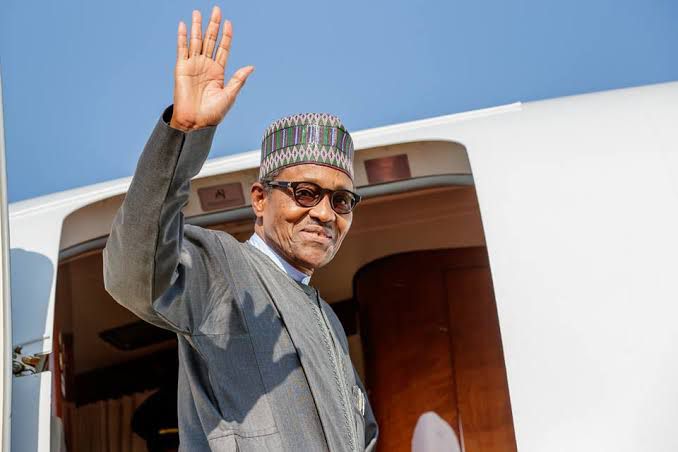
Nigeria Mourns Former President Buhari: Implications for APC and 2027 Elections
Nigeria is in a period of national mourning following the death of former President Muhammadu Buhari, who passed away on Sunday, July 13, 2025, in London at the age of 82 after a prolonged illness. His passing marks a significant moment in the nation's political landscape, raising questions about the future of the All Progressives Congress (APC) and the trajectory of Nigerian politics leading up to the 2027 general elections.
Buhari, a dominant figure who served as both a military ruler in the 1980s and a democratically elected president from 2015 to 2023, was laid to rest in his hometown of Daura, Katsina State, on Tuesday, July 15, 2025. The state ceremony was led by President Bola Tinubu and attended by family members, government officials, and close associates.
National Mourning and Political Reactions
President Tinubu declared a seven-day national mourning period, ordering flags to be flown at half-mast nationwide. In his tribute, Tinubu described Buhari as "a patriot who served Nigeria with unwavering resolve and personal sacrifice." The passing of Buhari has elicited a range of reactions, reflecting his polarizing legacy and the complex political dynamics he shaped.
Buhari's Legacy and the APC
Buhari's election victory in 2015, under the banner of the newly formed APC, was a watershed moment. He defeated incumbent President Goodluck Jonathan, marking the first time in Nigeria's history that an opposition candidate unseated a sitting president through the ballot box. His administration focused on promises of combating corruption, enhancing security, and revitalizing the economy.
However, Buhari's tenure was also marked by economic recessions, escalating insecurity, and strained relations with the country's youth, particularly during the #EndSARS protests in 2020. While he maintained a reputation for personal integrity, his governance style was often criticized as slow and detached.
The APC's Future Without Buhari
The death of Buhari creates a void within the APC, especially concerning its influence in Northern Nigeria. His popularity in the region has historically served as a crucial unifying force and electoral asset for the party. "Buhari's absence could complicate the APC's chances in the North come 2027," notes political analyst, Dr. Fatima Hassan of the Centre for Democracy and Development. "The party will need to proactively address regional concerns and identify new figures who can resonate with the Northern electorate."
Internally, the APC faces the challenge of managing the ambitions of potential presidential candidates while solidifying President Tinubu's leadership. While Buhari supported Tinubu, his passing could lead to shifts in allegiances within the party, potentially intensifying internal rivalries as factions compete for influence in the lead-up to the 2027 elections. There are already signs that some factions within the CPC bloc, previously aligned with Buhari, are exploring alliances with other political platforms.
Northern Nigeria and the 2027 Elections
Buhari's influence in the North extended beyond politics; he was widely regarded as a cultural icon. His absence will require the APC to reassess its strategy for engaging with Northern communities, especially amid economic challenges and growing voter disillusionment. The 2027 elections will be the first in over a decade without Buhari's direct influence, potentially opening opportunities for opposition parties like the People's Democratic Party (PDP), the Labour Party (LP), and the African Democratic Congress (ADC) to gain ground in the region.
Dr. Kwame Adewale, a lecturer in political science at the University of Lagos, emphasizes the importance of addressing socio-economic grievances in the North. "The APC must demonstrate a commitment to tackling poverty, unemployment, and insecurity in the region to maintain its support base," he states. "Simply relying on Buhari's legacy will not be enough."
Youth Perspectives and Generational Divide
Reactions to Buhari's death have varied across generations. While older Nigerians often view him as a respected former leader, many young Nigerians have expressed a mix of detachment and criticism. Online platforms have seen a range of opinions, with some praising his early anti-corruption efforts and others highlighting concerns about human rights and his handling of the #EndSARS protests.
This generational divide underscores the need for the APC to adapt its messaging and policies to appeal to younger voters in 2027. Engaging with Gen Z and millennials will require addressing their concerns about economic opportunity, social justice, and good governance.
Looking Ahead: The Future of Nigerian Politics
As Nigeria mourns, the APC stands at a critical juncture. The party must navigate a post-Buhari political landscape by honoring his legacy while adapting to evolving political realities. The 2027 elections will present a new test for the ruling party, demanding unity, reinvention, and a revised strategy to maintain power in the absence of its northern figurehead. Buhari's death may signify the end of an era in Nigerian politics, with the future dependent on the choices made by his party and the country as a whole.
Originally sourced from: pulse Ng