
We need hospitals more than football stadiums, say Morocco's young protesters
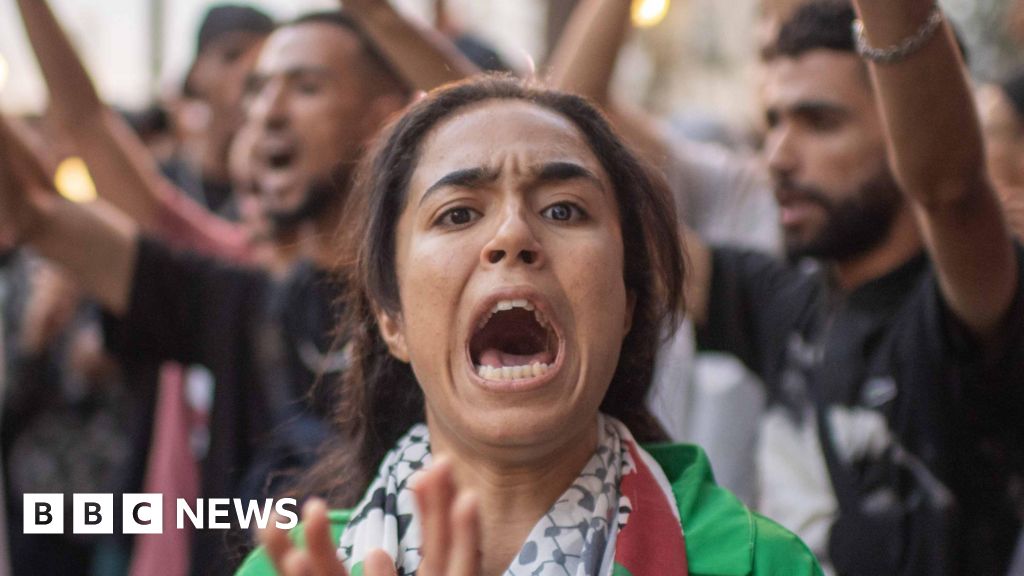
Moroccan Youth Protest World Cup Spending Amid Healthcare Crisis
Young Moroccans are taking to the streets in growing numbers to protest government spending on football infrastructure for the 2030 World Cup, which Morocco is co-hosting, while basic social services remain underfunded. The protests, coordinated largely through social media under the banner of "Gen Z 212," referencing the country's international dialing code, highlight deep-seated frustrations over inequality, access to healthcare, and economic opportunities.
Demonstrations began in late September across multiple cities, with protesters chanting slogans such as "No World Cup, health comes first" and "We want hospitals not football stadiums." The movement gained momentum following the deaths of eight women in a maternity ward in Agadir, allegedly due to inadequate care and resources.
Demands for Social Justice
The protesters have articulated a clear set of demands, including:
Free and quality education for all Accessible public healthcare for everyone Decent and affordable housing Better public transport Lower prices and subsidies for basic goods Improved wages and pensions Job opportunities for youth and reduced unemployment Adoption of English as a second language (after Arabic)
These demands reflect a broader sense of disillusionment among young Moroccans who feel their needs are being neglected in favor of large-scale projects like the World Cup stadium construction, estimated to cost $5 billion (£3.7 billion).
Crackdown and Response
The Moroccan government's response to the protests has been met with criticism. While Prime Minister Aziz Akhannouch has expressed openness to dialogue, police have been accused of arbitrary arrests and excessive force. Clashes between protesters and law enforcement have resulted in injuries and, according to some reports, fatalities. Official sources have confirmed injuries on both sides, but details regarding deaths remain contested. Interior ministry spokesman Rachid El Khalfi stated that hundreds have been detained and dozens of police officers and protesters injured.
Hakim (not his real name), a 23-year-old protester from Casablanca, described being arrested and held in a crowded cell. He voiced his frustration with the state of healthcare, citing his father's stroke and the need to rely on private care due to inadequacies in the public system. "What am I gaining from a country that is not providing healthcare for my ageing parents or educating me?" he asked.
Historical Context and Echoes of the Past
These protests resonate with previous periods of social unrest in Morocco. Observers have drawn parallels with the 1981 "Bread Riots," sparked by rising food prices, and the Arab Spring movement in 2011, which led to constitutional reforms. While the 2011 reforms granted more power to the prime minister and parliament, the King still maintains significant authority.
"This wave of protests taps into a long history of social movements in Morocco driven by economic grievances and demands for greater social justice," says Dr. Fatima Akkad, a political analyst at the University of Rabat. "While the World Cup provides a tangible target for their anger, the underlying issues are much deeper and reflect systemic problems with inequality and governance."
A Leaderless Movement
Unlike previous movements, Gen Z 212 appears to be decentralized and leaderless. This lack of formal structure has made it difficult for the government to engage in traditional negotiations, but it also presents challenges for the protesters in formulating a cohesive strategy.
One protester, Hajar Belhassan, emphasized the movement's independence from political parties. "We are not a political movement. We have no leader," she said. "Maybe that's why the police were arresting people, and why the government kept silent – because, in their eyes, we didn't follow the traditional path of organisations and political parties."
The Road Ahead
Despite the violence and arrests, the protesters remain resolute in their demands for social and economic reforms. While acknowledging the excitement surrounding the 2030 World Cup, they insist that basic needs must be prioritized. "We love football, it is in our blood. But we are missing the foundations," Belhassan said. "Sure, let's build stadiums, but let's also build our education and health systems. Let's take care of our people."
According to Professor Omar Fassi Fihri, a sociologist specializing in youth movements at the Hassan II University of Casablanca, the government faces a critical juncture. "The protests represent a genuine expression of discontent that cannot be ignored. A purely repressive approach will only exacerbate the situation. The government needs to demonstrate a commitment to addressing the underlying grievances through meaningful reforms and genuine dialogue."
Originally sourced from: BBC News Africa