
We need hospitals more than football stadiums, say Morocco's young protesters
```html Moroccan Youth Demand Prioritisation of Healthcare and Education Over Football Stadiums
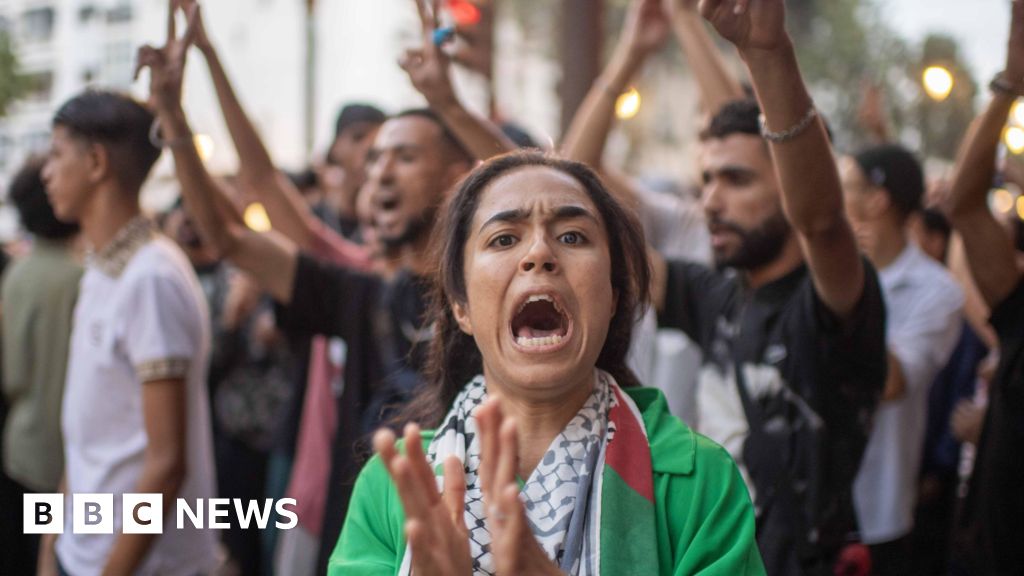
Young Moroccans are taking to the streets in growing numbers to protest against what they see as misplaced government priorities, specifically the heavy investment in football infrastructure ahead of the 2030 World Cup, which Morocco will co-host. Demonstrations, coordinated largely through social media, are demanding improvements in healthcare, education, and living standards, arguing that these fundamental needs should take precedence over lavish sporting projects.
Gen Z Movement Gains Momentum
The protests, spearheaded by a loosely organised group calling itself Gen Z 212 (referencing Morocco's international dialling code), began on September 27th and have since spread across multiple cities. Chants of "No World Cup, health comes first" and "We want hospitals not football stadiums" echo the protesters' core message: that basic necessities are being neglected in favour of prestige projects.
The movement gained significant traction following the deaths of eight women in a maternity ward in Agadir in mid-September. Reports suggested that these deaths could have been prevented with better resources and staffing, highlighting the deficiencies in Morocco's healthcare system. According to 2023 estimates, Morocco has approximately 7.8 doctors per 10,000 people, significantly below the World Health Organization's recommended ratio of 23 per 10,000.
Demands for Social and Economic Reform
Beyond healthcare, the protesters are calling for a wide range of social and economic reforms, including:
Free and quality education for all Accessible public healthcare for everyone Decent and affordable housing Better public transport Lower prices and subsidies for basic goods Improved wages and pensions Job opportunities for youth and reduced unemployment Adoption of English as a second language (after Arabic)
Government Response and Allegations of Excessive Force
The Moroccan government, led by Prime Minister Aziz Akhannouch, has stated its willingness to engage in dialogue. However, the protests have been met with a firm response from law enforcement, including mass arrests. Some demonstrations have turned violent, with reports of injuries to both protesters and police officers. Interior ministry spokesman Rachid El Khalfi stated that 409 people had been detained as of Wednesday, with reports of 260 police officers and 20 protesters injured.
Human rights organisations and opposition figures have criticised the police response, alleging the use of excessive force and arbitrary arrests. The organisers of the protests have distanced themselves from the violence and called for peaceful demonstrations.
Historical Context and Echoes of Past Grievances
These protests are not occurring in a vacuum. Morocco has a history of social unrest driven by economic inequality and unmet needs. Some observers have drawn parallels with the 1981 bread riots, sparked by rising food prices, which resulted in numerous deaths. The current movement also shares similarities with the youth-led protests of the Arab Spring in 2011, which led to constitutional reforms.
Dr. Fatima Sadiqi, a professor of linguistics and gender studies at Sidi Mohamed Ben Abdellah University in Fez, notes that "These protests reflect a deeper frustration with the slow pace of social and economic progress in Morocco. While the country has made strides in certain areas, the benefits have not been evenly distributed, leaving many young people feeling marginalised and unheard." She adds, "The government needs to address the root causes of this discontent, not just manage the symptoms through security measures."
The World Cup and National Pride
While the protesters express excitement about Morocco co-hosting the 2030 World Cup, they insist that national pride should not come at the expense of basic human needs. As one protester, Hajar Belhassan, stated, "We love football, it is in our blood. But we are missing the foundations. Sure, let's build stadiums, but let's also build our education and health systems. Let's take care of our people."
According to Ahmed Benchemsi, a Moroccan journalist and political commentator, "The government's focus on the World Cup, while understandable from a national branding perspective, has inadvertently highlighted the stark inequalities that persist within Moroccan society. The protests are a wake-up call, urging the authorities to re-evaluate their priorities and invest in the long-term well-being of the population."
The Gen Z 212 movement represents a growing wave of youth activism in Morocco, demanding greater accountability and a more equitable distribution of resources. Whether the government will heed their calls and implement meaningful reforms remains to be seen. ```
Originally sourced from: BBC News Africa