
They're making sex jokes in Saudi: Inside the controversial comedy festival
Saudi Arabia's Comedy Festival: A Balancing Act Between Entertainment and Ethics
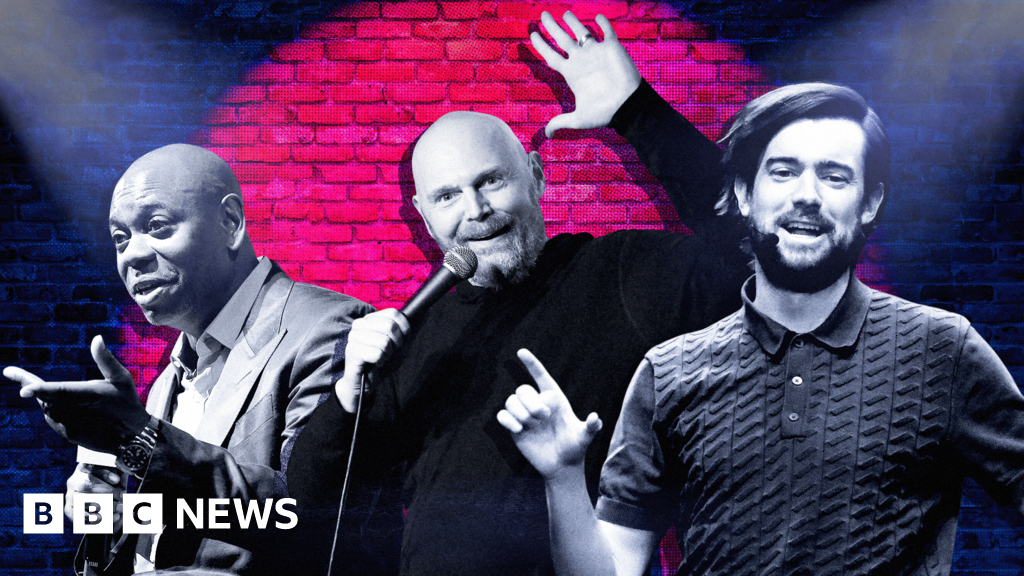
Riyadh, Saudi Arabia - The inaugural Riyadh Comedy Festival, featuring a lineup of international stars like Dave Chappelle, Bill Burr, and Jimmy Carr, has ignited a complex debate surrounding entertainment, human rights, and Saudi Arabia's evolving social landscape. While attendees report enthusiastic responses to sets that include risqué jokes previously unheard of in the Kingdom, the festival has also drawn sharp criticism for perceived ethical compromises and the conspicuous absence of commentary on the country's human rights record.
A Shift in the Kingdom's Cultural Landscape?
The festival, which began in late September and ran into October, is part of Saudi Arabia's Vision 2030, a broad plan spearheaded by Crown Prince Mohammed bin Salman to diversify the nation's economy and open up its society. This includes significant investment in entertainment and tourism. Witnesses describe an audience composed of both Saudi nationals and expatriates, reacting positively to jokes about sex, relationships, and even aspects of Saudi culture, such as the niqab. One expatriate, identified as Sara, described the experience as "really unusual" given the country's traditionally conservative social norms.
However, Zain, a Riyadh resident, expressed surprise at the explicit nature of some of the jokes, particularly those referencing LGBTQ+ issues, given that homosexuality remains illegal in Saudi Arabia and punishable by death under certain interpretations of Islamic law. The dichotomy highlights the tension between the government's efforts to modernize its image and the deeply ingrained social and legal realities.
Ethical Concerns and the "Whitewashing" Accusations
The festival has faced considerable backlash from comedians and human rights organizations. Critics accuse performers of overlooking Saudi Arabia's human rights record, including the suppression of dissent, restrictions on freedom of speech, and the ongoing detention of activists and journalists. Human Rights Watch, for instance, has argued that the festival is an attempt to "whitewash" these abuses and urged performers to use their platform to speak out on these issues.
Joey Shea, Saudi Arabia researcher at Human Rights Watch, told BBC News: "So far I've not seen one of the comedians raise these issues, not just on stage but on social media or anywhere. It's very disappointing."
Adding fuel to the fire, the festival's timing coincided with the seventh anniversary of the murder of journalist Jamal Khashoggi, a vocal critic of the Saudi regime. The US intelligence community concluded that Crown Prince Mohammed bin Salman approved the assassination, a charge Saudi Arabia denies. This timing amplified the ethical concerns surrounding the event.
The Comedian's Dilemma: Free Speech vs. Ethical Responsibility
British comedian Rosie Holt articulated the moral quandary facing performers: "There's that old saying, that comedy speaks truth to power. A lot of these comedians have been huge defenders of free speech, and to go and perform in Saudi Arabia, where free speech is so heavily curtailed, is extraordinary. It's morally repugnant."
Some comedians, like Tim Dillon, openly admitted that financial incentives played a significant role in their decision to perform. Others, like Atsuko Okatsuka, claimed to have turned down invitations due to alleged content restrictions, including bans on material that could "degrade or defame" the Saudi royal family or religion.
Entertainment journalist Natalie Jamieson offers context: "Comedians and musicians have often performed at private gigs and corporate parties. The difference is that those events tend not to be disclosed, or receive such publicity. The outrage is happening now because this is happening so publicly." This increased scrutiny underscores the growing expectation for artists to be mindful of the ethical implications of their work, particularly when engaging with governments or organizations with questionable human rights records.
A Potential Catalyst for Change?
Despite the criticisms, some observers suggest the festival could be a catalyst for social change within Saudi Arabia. Zain, the Riyadh resident, argued that the event is helping to "open the eyes of the population" by exposing them to new perspectives and challenging traditional social norms. He notes that even though the comedians avoided direct criticism of the government, the mere presence of jokes about previously taboo subjects represents a step forward.
Professor Eleanor Sanderson, a specialist in Middle Eastern cultural studies at Oxford University, believes the situation is nuanced: "While it's crucial to remain vigilant about human rights concerns, dismissing cultural exchanges entirely can be counterproductive. These events, even with their limitations, can create spaces for dialogue and introduce new ideas to a society undergoing rapid transformation. The key is to ensure that these exchanges are conducted with transparency and a commitment to promoting human rights values."
The Riyadh Comedy Festival serves as a stark reminder of the complex interplay between entertainment, politics, and ethics in a globalized world. Whether it will ultimately contribute to positive change within Saudi Arabia remains to be seen, but it has undoubtedly sparked an important conversation about the responsibilities of artists and the role of entertainment in shaping social and political landscapes.
Originally sourced from: BBC Entertainment