
Sudan militia leader convicted of war crimes during Darfur war
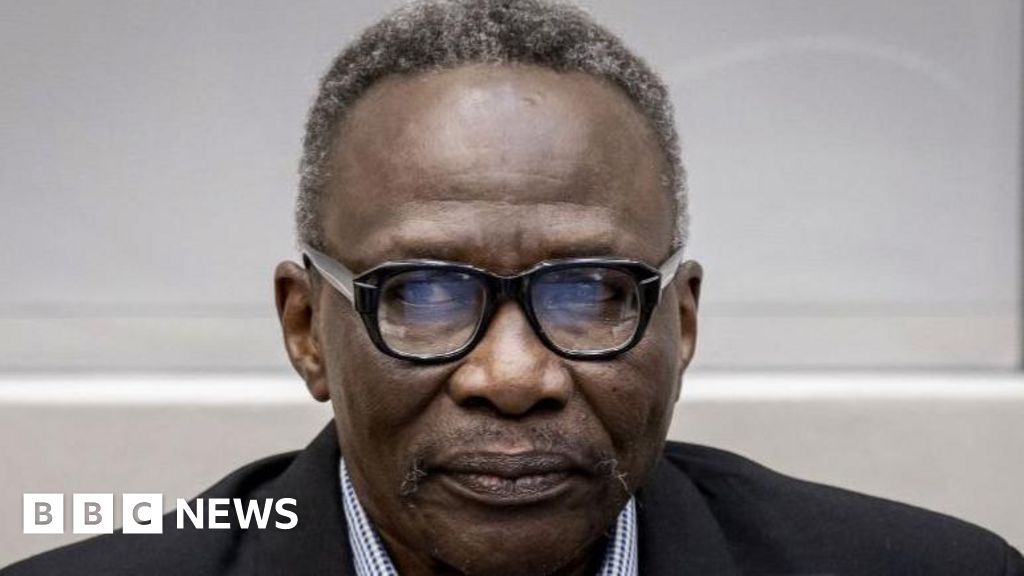
Sudanese Militia Leader Convicted of Darfur War Crimes by ICC
A Sudanese militia leader, Ali Muhammad Ali Abd-Al-Rahman, known as Ali Kushayb, has been convicted of war crimes and crimes against humanity by the International Criminal Court (ICC) for atrocities committed in the Darfur region of Sudan over two decades ago. The conviction marks a significant, albeit delayed, step towards accountability for the widespread violence that plagued Darfur between 2003 and 2020.
Kushayb, a commander within the Janjaweed militia, a group backed by the Sudanese government at the time, was found guilty on 27 counts related to attacks perpetrated between 2003 and 2004. These charges include murder, torture, rape, persecution, and pillaging targeting the region's non-Arab population. He is the first individual to be tried by the ICC for crimes committed in Darfur.
A Landmark Verdict Amidst Ongoing Conflict
The verdict comes as Darfur continues to grapple with the devastating effects of the original conflict and is now a key battleground in the ongoing civil war between the Sudanese army and the Rapid Support Forces (RSF), a paramilitary group with roots in the Janjaweed militia. Survivors who testified during the trial recounted horrific experiences of villages burned to the ground, mass executions, sexual violence, and torture inflicted by Kushayb and his forces.
The ICC judges determined that the Janjaweed's brutal tactics were systematically used against civilians accused of supporting rebel groups from black African ethnic groups. This led to widespread allegations of ethnic cleansing and genocide.
The Darfur Conflict: A History of Violence
The Darfur conflict erupted in 2003 when rebels from non-Arab communities took up arms against the Arab-dominated government in Khartoum, alleging marginalization and discrimination. The government responded by mobilizing the Janjaweed militia, which unleashed a campaign of terror against civilian populations, resulting in the deaths of hundreds of thousands of people and the displacement of millions.
The conflict officially ended in 2020, but the underlying tensions and grievances remain unresolved. The current civil war in Sudan has reignited violence in Darfur, with the RSF, largely composed of former Janjaweed fighters, accused of perpetrating further atrocities against non-Arab communities.
Expert Analysis: A Cycle of Impunity?
Dr. Matthew Benson-Strohmayer, Sudan Research Director at the London School of Economics, notes a disturbing pattern of "a long hiring out of militias, suppressing of rebellion, and sexual violence used as a tool of war" throughout Sudan's history. He expressed skepticism that the ICC verdict would significantly impact the current conflict.
"I think the way that the war is being fought in Darfur in particular is really a war of terror," Dr. Benson-Strohmayer told the BBC. "It's a very masculine war - sexual violence against women, or of starvation literally being used in order to barricade populations in and starve them to death."
The RSF and Allegations of Ethnic Cleansing
The UK, US, and various human rights organizations have accused the RSF of carrying out ethnic cleansing against non-Arab communities in Darfur since the outbreak of the current conflict in 2023. These allegations echo the crimes for which Kushayb was convicted, raising concerns about a continuing cycle of impunity.
Hope for Justice, Concerns for the Future
While the conviction of Ali Kushayb is a significant step towards achieving justice for the victims of the Darfur conflict, many remain concerned about the ongoing violence and the lack of accountability for perpetrators in the current civil war. The verdict serves as a reminder of the urgent need for lasting peace and reconciliation in Darfur and throughout Sudan.
Next Steps
Kushayb will be sentenced by the ICC at a later date. The court will consider the severity of his crimes and the impact on the victims when determining his punishment.
The Darfur war began after the Arab-dominated government at the time armed the Janjaweed, in an attempt to suppress an uprising by rebels from black African ethnic groups. The Janjaweed systematically attacked non-Arab villagers accused of supporting the rebels, leading to accusations of genocide.
Originally sourced from: BBC News Africa