
Sean 'Diddy' Combs sentenced to more than four years in prison
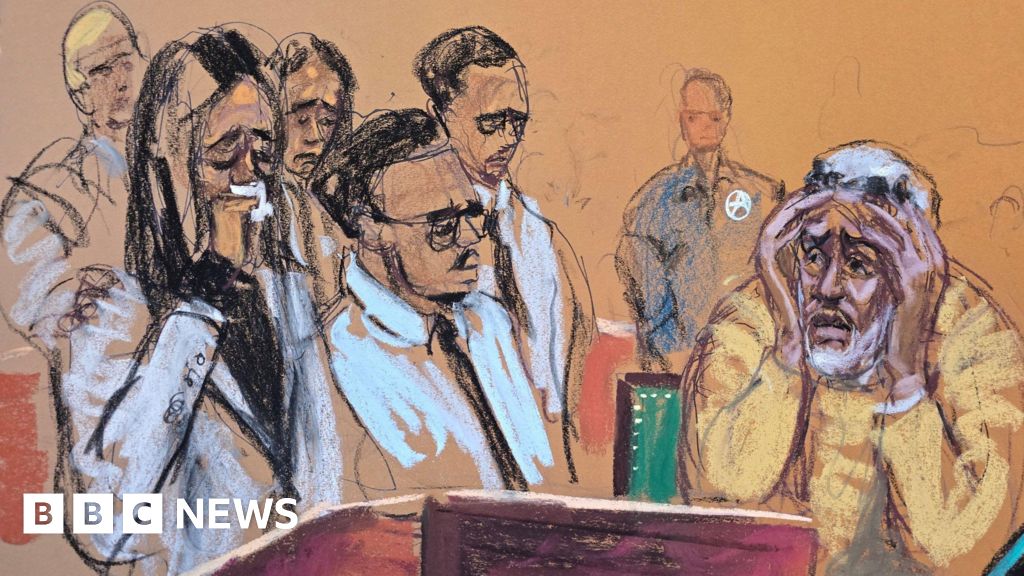
Sean 'Diddy' Combs Sentenced to Over Four Years in Prison on Prostitution-Related Charges
Hip-hop mogul Sean "Diddy" Combs has been sentenced to 50 months (just over four years) in prison after being convicted on charges related to prostitution. The sentencing, delivered in a New York City courtroom on Friday, follows a nearly two-month federal trial that scrutinized Combs' conduct and business practices. The case has ignited renewed debate about power dynamics, abuse, and accountability within the entertainment industry.
Judge Arun Subramanian stated that a significant sentence was necessary as a deterrent and to send a clear message about the severity of the offenses. Combs will also be required to pay a $500,000 fine.
Combs Apologizes to Victims, Begs for Leniency
Addressing the court before his sentencing, Combs offered an apology to his victims, specifically naming his ex-girlfriends Casandra Ventura (known as Cassie) and a woman identified as "Jane," who testified under a pseudonym. "My actions were disgusting, shameful, and sick," Combs stated. "I got lost in excess, I got lost in my ego." He also apologized to his mother and seven children, most of whom were present in the courtroom.
"I'm so sorry. They deserved better," he said, referring to his children. He then pleaded with the judge for a second chance, promising never to jeopardize time with his family again. "I ask your honour for mercy. I beg your honour for mercy," Combs said. "I don't have nobody to blame but myself. I know that I've learned my lesson."
Prosecution Argued for Harsher Sentence
Prosecutors had sought an 11-year sentence, citing Combs' history of domestic violence and arguing that his celebrity status and business empire were used to run a criminal enterprise. They accused Combs of sex trafficking his former girlfriends, alleging he coerced them into unwanted sexual encounters, including "freak-offs" where he allegedly paid male escorts to have sex with them while he watched and filmed. The government further argued that drugs and physical violence were used as tools of coercion.
Prosecutor Christy Slavik emphasized the need for accountability and justice, stating that a lighter sentence would allow Combs to "get away with years of domestic violence and abuse." She reminded the judge of victim statements and testimony detailing domestic violence in their relationships with Combs, including photos of injuries allegedly inflicted by Combs. "He didn't need the money, his currency was control," Slavik said. "This is a defendant who will pose a danger at any age."
Defense Argued for Leniency, Citing Reform
Combs' attorneys argued for a 14-month sentence, claiming that their client was reformed after serving 13 months in a New York jail. They painted Combs as remorseful and highlighted his positive contributions during his time in jail. Attorney Jason Driscoll argued that the prostitution charges, based on the Mann Act of 1910, did not apply because Combs did not financially benefit from the offenses. The Mann Act criminalizes transporting women and girls for "the purpose of prostitution or debauchery, or for any other immoral purpose."
Defense attorney Nicole Westmoreland spoke of Combs' inspirational impact, citing his creation of a record label and clothing line that inspired other Black entrepreneurs and musicians. Combs' children also testified, describing him as a "changed man" and asking for a "second chance."
Legal Experts Weigh In
"This sentencing highlights the complexities of holding powerful figures accountable for their actions," says Dr. Eleanor Shaw, a Professor of Media Studies at the University of Southern California. "While the conviction and sentence are significant, the case also raises questions about the long-term impact on victims and the broader cultural shifts needed to address systemic issues of abuse within the entertainment industry."
Legal analyst Mark Thompson, a former prosecutor, noted, "The judge's decision to impose a sentence exceeding the defense's recommendation suggests a strong condemnation of Combs' behavior and a recognition of the severity of the harm caused to the victims. The case serves as a reminder that wealth and fame do not provide immunity from the law."
Historical Context and Future Implications
The Combs case arrives amidst a broader reckoning within the entertainment industry, fueled by the #MeToo movement and increasing awareness of power imbalances and abuse. Historically, the entertainment industry has often been criticized for a culture that tolerates or even enables such behavior.
The outcome of this case could have far-reaching implications, potentially emboldening other victims to come forward and prompting greater scrutiny of the conduct of powerful figures across the arts. It also raises questions about the legacy of Sean "Diddy" Combs and the future of his business empire.
Appeal Planned
Following the sentencing, Combs' attorney, Marc Agnifilo, stated that the legal team plans to appeal the decision. Combs will receive credit for the 13 months he has already served.
Originally sourced from: BBC Entertainment