
Madagascar: Protests Continue Despite Government Resignation
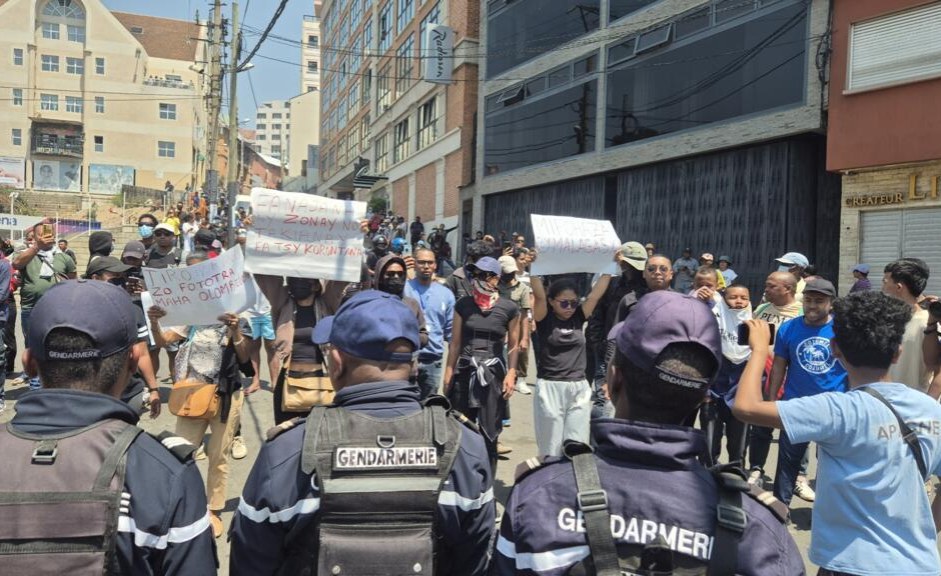
Madagascar Faces Ongoing Protests Despite Government Reshuffle
Antananarivo – Anti-government demonstrations continue to grip Madagascar, with thousands protesting in cities across the nation on Monday, October 2nd. Demonstrators are demanding the resignation of President Andry Rajoelina, despite his recent dismissal of the government in an attempt to appease growing public discontent. The reshuffle, announced days prior, has so far failed to quell the widespread unrest.
Root Causes of the Unrest
The protests, which began on September 25th, are fueled by deep-seated frustration over issues of governance and the chronic lack of essential services, particularly water and electricity. These long-standing problems have created a climate of dissatisfaction, particularly among younger generations.
The situation escalated dramatically following a violent crackdown on protestors. The United Nations has reported that the crackdown resulted in at least 22 deaths and hundreds of injuries. However, the Malagasy government vehemently denies these figures, offering a conflicting account of the events.
Arrests Triggered Intensified Protests
The immediate trigger for the intensified protests was the arrest on September 19th of two prominent political figures. These individuals had organized a peaceful demonstration in Antananarivo to highlight the persistent issues with water and electricity supplies. Their arrest ignited widespread outrage and galvanized support for the broader anti-government movement.
The Role of "Generation Z"
A significant portion of the protestors are young people, often referred to as "Generation Z." They are actively mobilizing and coordinating their efforts through social media platforms, demanding greater participation in shaping the future of Madagascar. Social media campaigns have proven instrumental in amplifying their voices and organizing demonstrations across different regions.
Historical Context and Current Challenges
Political instability has been a recurring theme in Madagascar's post-independence history. The island nation has experienced numerous periods of unrest and political transition. President Rajoelina himself came to power following a period of political turmoil in 2009. This historical context contributes to the current climate of distrust and skepticism towards the government.
Dr. Sahondra Rabenarivo, a political analyst at the University of Antananarivo, notes that "the current protests reflect a deeper crisis of legitimacy. While the government has taken steps to address some of the immediate grievances, such as the cabinet reshuffle, these measures have not been sufficient to restore public confidence. The underlying issues of corruption, inequality, and lack of access to basic services need to be addressed comprehensively."
The challenges facing Madagascar are complex and multifaceted. Beyond the immediate political crisis, the country faces significant economic hurdles, including poverty, unemployment, and vulnerability to climate change. These factors exacerbate social tensions and contribute to the overall sense of frustration and discontent.
Looking Ahead: A Call for Dialogue
The ongoing protests highlight the urgent need for a meaningful dialogue between the government and the Malagasy people. Addressing the underlying grievances related to governance, economic opportunity, and access to essential services is crucial for achieving long-term stability and progress.
According to analyst Jean-Pierre Rakoto, a specialist in African governance at the Institute for Strategic Studies in Pretoria, "The situation in Madagascar requires a multi-pronged approach. The government must prioritize transparency and accountability, while also engaging in genuine dialogue with civil society and opposition groups. International partners can play a constructive role by providing technical assistance and supporting efforts to promote good governance and sustainable development."
The coming weeks will be critical in determining the trajectory of Madagascar's political landscape. Whether the government can effectively address the concerns of its citizens and restore public trust remains to be seen. The future stability of the nation hinges on its ability to navigate this challenging period and forge a path towards inclusive and sustainable development.
Originally sourced from: AllAfrica