
Conservative church group condemns choice of female Archbishop of Canterbury
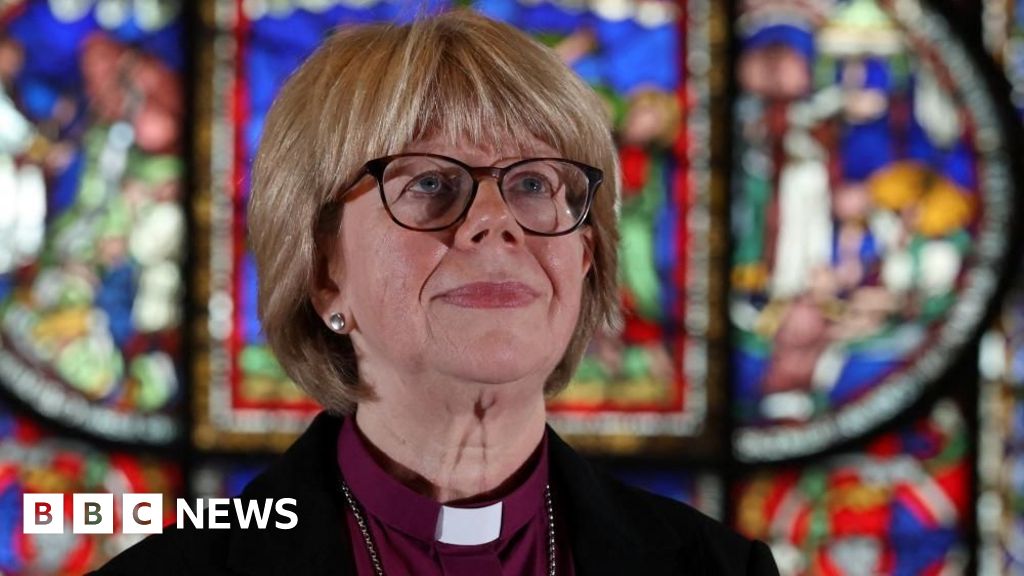
First Female Archbishop of Canterbury Designate Sparks Division Within Anglican Communion
The selection of Dame Sarah Mullally as the next Archbishop of Canterbury, the first woman to hold the position, has been met with both celebration and condemnation within the global Anglican Communion. While lauded as a historic moment by some, particularly within the Church of Southern Africa, the appointment has been strongly criticised by conservative factions, especially the Global Fellowship of Confessing Anglicans (Gafcon), raising concerns about deepening divisions within the church.
Gafcon Condemns Appointment, Citing Biblical Interpretation
Gafcon, a network of conservative Anglican churches primarily based in Africa and Asia, expressed "sorrow" at the news. The group, formed in 2008 in response to theological disagreements, maintains a strict interpretation of the Bible, arguing that only men should be consecrated as bishops. The Most Reverend Dr Laurent Mbanda, the Archbishop of Rwanda and chairman of Gafcon's leadership council, stated that "the majority of the Anglican Communion still believes that the Bible requires a male-only episcopacy." He also criticised Dame Sarah's support for the blessing of same-sex couples, accusing her of promoting "unbiblical and revisionist teachings regarding marriage and sexual morality."
The Church of Southern Africa Welcomes the Announcement
In stark contrast, the Church of Southern Africa hailed Dame Sarah's appointment as "historic." Archbishop of Cape Town, Thabo Makgoba, described it as "a thrilling development." This difference in opinion highlights the diverse views within the Anglican Communion across the African continent. While South Africa is generally considered more progressive on social issues, the response from other African nations is more complex and nuanced.
Divergent Views on Female Leadership and Same-Sex Relationships
The core of the disagreement lies in differing interpretations of scripture and evolving societal views on gender and sexuality. The Church of England, often referred to as the "Mother Church," has taken a more liberal stance in recent years, ordaining women bishops in 2014 and permitting the blessing of same-sex couples in 2023. These decisions have created a significant rift with more conservative elements within the global Anglican community, particularly in parts of Africa where traditional values hold significant sway.
Expert Perspective: The Future of the Anglican Communion
Dr. Nomalanga Dlamini, a Professor of Religious Studies at the University of KwaZulu-Natal, believes the appointment underscores the challenges facing the Anglican Communion. "This situation reflects the tension between the historical power structures of the Church of England and the growing influence of the Global South," she explains. "While the appointment is a significant step towards gender equality within the Church, it also exposes the deep-seated theological and cultural differences that threaten its unity. The key will be finding ways to engage in respectful dialogue and find common ground on core values while acknowledging diverse perspectives."
Bishop Onyango: A Call for Peace and Reconciliation
Bishop Emily Onyango, the first woman ordained as a bishop in the Anglican Church of Kenya, offered a different perspective, calling the appointment "a new dawn." Speaking to BBC Focus on Africa, she dismissed Gafcon's views as "patriarchal, which is not very useful to the Church." She emphasized Dame Sarah's ability to listen and urged her to address critical issues facing the continent, particularly the suffering of women and children and the need for peace and reconciliation.
Historical Context: The Anglican Communion's Shifting Landscape
The Anglican Communion's current predicament is not new. The issue of differing views on sexuality and the role of women has been simmering for decades, leading to previous schisms and threats of division. The formation of Gafcon in 2008 was a direct response to these growing tensions, and its rejection of the previous Archbishop of Canterbury's leadership in 2023 further widened the gap. The current situation highlights the ongoing struggle to reconcile traditional beliefs with evolving societal norms within a global religious institution.
The Road Ahead: Unity or Further Division?
The future of the Anglican Communion remains uncertain. While some see Dame Sarah's appointment as a positive step towards inclusivity and progress, others view it as a betrayal of core biblical principles. Archbishop Mbanda's statement that "nothing is irreparable with God, but it requires repentance" suggests a willingness to maintain dialogue, but also underscores the deep theological divide. Whether the Anglican Communion can bridge these differences and maintain its unity remains to be seen. The coming months will be crucial in determining whether dialogue and compromise can prevail or whether the appointment of the first female Archbishop of Canterbury will lead to a permanent fracturing of the church.
Originally sourced from: BBC News Africa