
Al-Shabab militants dress as soldiers to storm Somali jail
Al-Shabab Attack on Mogadishu Prison Leaves Militants Dead, Raises Security Concerns
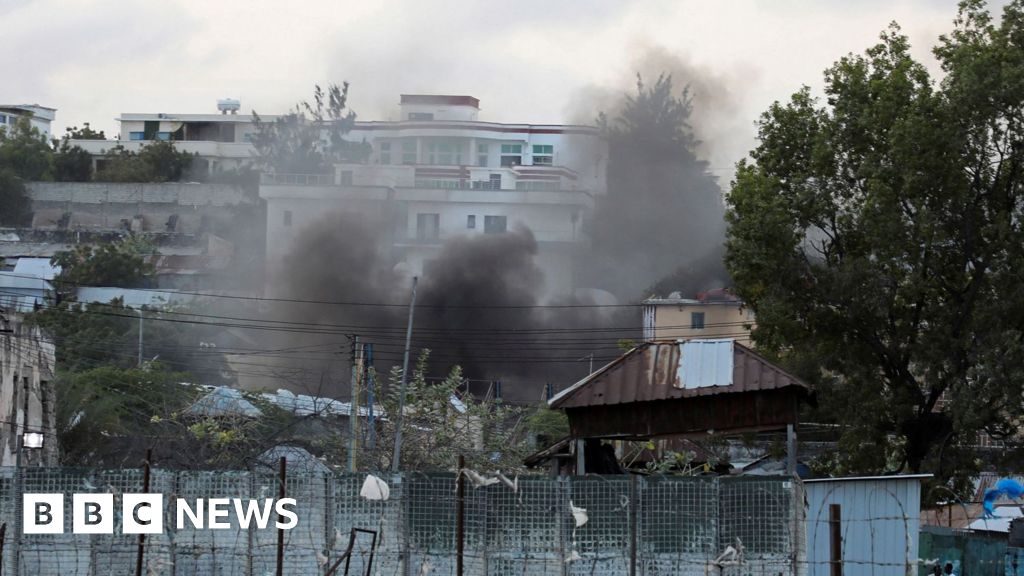
All seven al-Shabab militants who attacked a high-security prison in Mogadishu, Somalia, on Saturday evening have been killed, the Somali government has confirmed. The assault on Godka Jilicow, a detention centre known for housing al-Shabab members and other high-profile detainees, involved a large explosion and heavy gunfire, sending plumes of smoke into the sky near the presidential palace.
The attack, which began around 16:40 local time (13:40 GMT), raises serious questions about security protocols in the Somali capital, particularly around strategically important locations. Al-Shabab claimed responsibility, stating they had released "all the Muslim prisoners" and inflicted significant casualties on the prison guards. The government has not released details on security force casualties but offered condolences to the families of fallen personnel. Al-Shabab also did not provide a casualty figure for its own fighters.
Militants Disguised as Soldiers
According to Sonna Live, the government-run news agency, the militants gained access to the prison by disguising themselves as soldiers. This tactic highlights a significant vulnerability in security screening procedures and underscores the group's ability to infiltrate even heavily guarded areas.
Godka Jilicow is operated by Somalia’s National Intelligence and Security Agency (Nisa). The prison's proximity to the presidential palace makes the attack a particularly audacious move by al-Shabab, demonstrating their continued operational capacity despite ongoing counter-terrorism efforts.
Al-Shabab's Enduring Threat
Al-Shabab, an al-Qaeda affiliate, has been waging a protracted insurgency against the Somali government for nearly two decades. The group aims to overthrow the internationally recognised government and establish its own rule based on a strict interpretation of Islamic law. While the group has been pushed out of major urban centres, it retains a strong presence in rural areas and continues to launch attacks in Mogadishu and elsewhere.
"This attack underscores the persistent threat posed by al-Shabab, despite years of military operations aimed at degrading their capabilities," says Dr. Abdiwahab Sheikh Abdisamad, a Horn of Africa security analyst. "Their ability to infiltrate a high-security facility in the heart of Mogadishu demonstrates a failure in intelligence gathering and security preparedness. It's a stark reminder that a purely military approach is insufficient; addressing the underlying socio-economic factors that fuel recruitment is crucial."
Context: Security Improvements and Ongoing Challenges
Notably, the attack occurred just hours after the government reopened key roads in Mogadishu that had been previously closed for security reasons. The decision to reopen the roads was based on claimed improvements in the city's overall safety. Saturday's events call into question the validity of those assessments and highlight the challenges of balancing security measures with the need to facilitate normal life for Mogadishu residents.
The attack also comes at a time when Somalia is grappling with multiple crises, including a severe drought, political instability, and ongoing efforts to rebuild state institutions. The government faces the daunting task of addressing these challenges while simultaneously combating a resilient and adaptable insurgency.
Reactions and Future Implications
The attack on Godka Jilicow is likely to prompt a significant review of security protocols in Mogadishu and may lead to renewed calls for increased international support for Somalia’s counter-terrorism efforts.
According to Fatima Mohamed, a researcher at the Heritage Institute for Policy Studies, “This incident will undoubtedly intensify the debate about the effectiveness of the current security architecture and the need for a more comprehensive strategy that involves community engagement and addresses the root causes of radicalisation. It also puts more pressure on the government to demonstrate tangible progress in improving security for ordinary Somalis.”
The incident serves as a grim reminder of the complex security landscape in Somalia and the enduring challenge of combating al-Shabab's influence.
Originally sourced from: BBC News Africa