
Africa: Dr. Sidi Ould Tah at 100 Days - A Call to Deepen Nutrition as the Foundation of Africa's Transformation
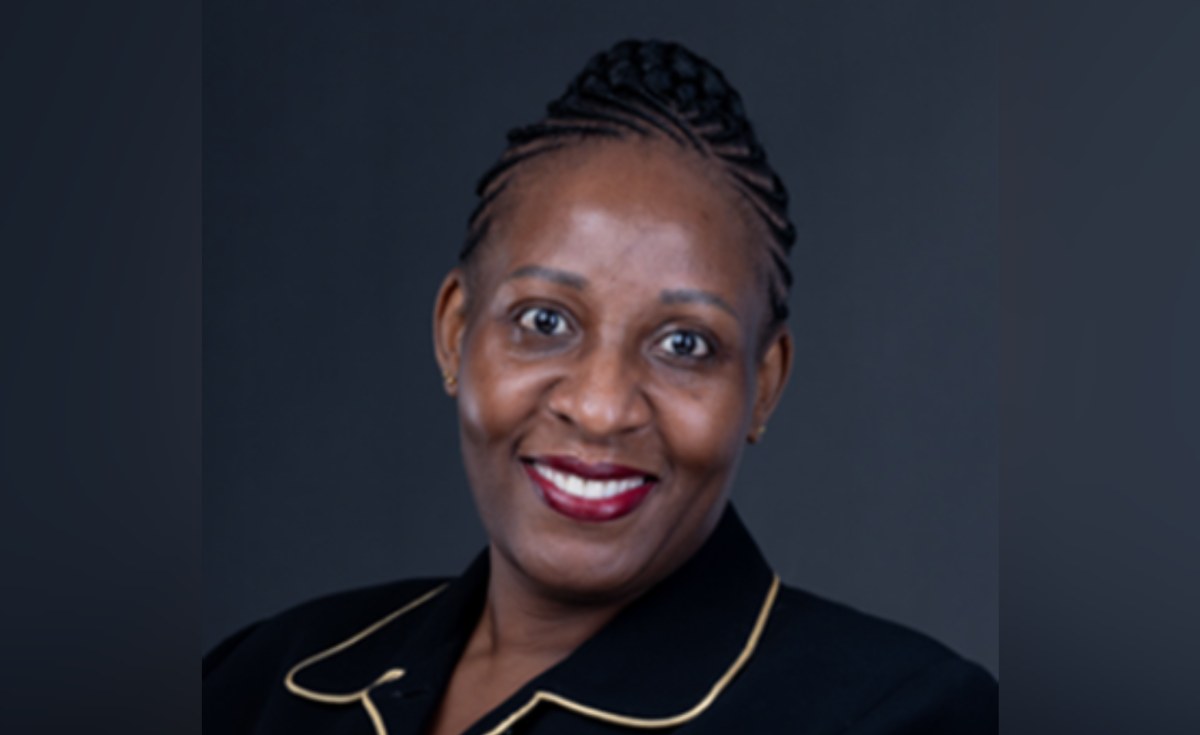
African Development Bank Navigates New Era Under President Sidi Ould Tah
Abidjan, Côte d'Ivoire – One hundred days into his tenure, Dr. Sidi Ould Tah is steering the African Development Bank (AfDB) through a pivotal period. Elected with a significant 76 percent mandate from shareholders, Dr. Tah is tasked with building upon the institution's progress and accelerating its impact across the continent.
A Mandate for Transformation
Dr. Tah's election signifies a vote of confidence in his experience and leadership capabilities. He inherits a bank with a strong foundation and a mandate to address Africa's pressing development challenges, ranging from infrastructure deficits to food insecurity and climate change vulnerabilities. The high level of support reflects the expectations that Dr. Tah will not only maintain the Bank's current trajectory but also drive further innovation and transformative initiatives.
Legacy of Innovation and Focus on Nutrition
The AfDB's current standing is largely attributed to the decade-long leadership of his predecessor, Akinwumi Adesina. Adesina’s tenure was marked by a strategic shift, most notably the elevation of nutrition as a central pillar of development. The framing of nutrition as "grey matter infrastructure" underscored its crucial role in cognitive development and human capital formation. This reframing positioned nutrition not merely as a social welfare issue but as a fundamental driver of economic growth.
The Feed Africa Initiative
Launched in 2016, the Feed Africa initiative exemplifies this strategic approach. It acknowledged the long-standing arguments from economists and health experts that malnutrition is a significant impediment to productivity and overall prosperity. The initiative aimed to address systemic challenges in the agricultural sector and improve food security across the continent, recognizing that a well-nourished population is essential for sustainable economic development.
Persistent Challenges and Future Priorities
Despite progress, significant challenges remain. Millions of African children continue to suffer from stunting and micronutrient deficiencies, hindering their cognitive development and limiting their future potential. Addressing these nutritional gaps represents a high-return investment opportunity for the AfDB and its partners. Beyond nutrition, the Bank faces the ongoing need to mobilize resources for infrastructure development, promote climate resilience, and support private sector growth across Africa.
Expert Perspective: The Need for Holistic Approaches
Dr. Fatima Diallo, a development economist specializing in African development challenges, emphasizes the need for a holistic approach. "While the AfDB has made significant strides in prioritizing nutrition and agriculture, it's crucial to integrate these efforts with investments in education, healthcare, and social protection programs," she notes. "A siloed approach will not yield the desired transformative impact. We need to address the underlying causes of malnutrition and poverty through integrated and multi-sectoral interventions."
The AfDB's Role in a Changing Global Landscape
The AfDB's work is occurring within a complex and evolving global context. Increased geopolitical instability, climate change impacts, and global economic headwinds pose significant challenges to Africa's development trajectory. The Bank's ability to mobilize resources, foster partnerships, and promote innovative solutions will be critical in navigating these challenges and ensuring sustainable and inclusive growth across the continent.
Looking Ahead
As Dr. Tah embarks on his journey as President, the AfDB is poised to play an even more critical role in shaping Africa's future. His leadership will be judged not only on sustaining the Bank's momentum but also on his ability to adapt to changing circumstances, foster innovation, and drive transformative change across the continent. The Bank's shareholders, African governments, and the continent's citizens will be closely watching to see how he delivers on the high expectations placed upon him.
Originally sourced from: AllAfrica