
Trump hits South Africa with 30% tariffs - no African country has a higher rate
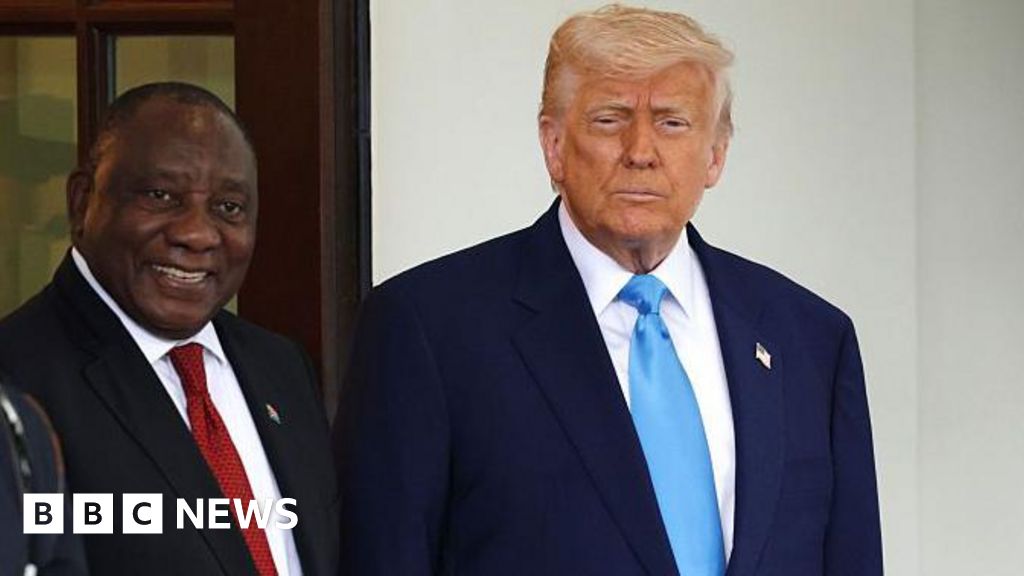
Trump Imposes Steep Tariffs on South Africa, Raising Trade Tensions
South African exports to the United States will face a 30% tariff starting August 7th, announced by former US President Donald Trump. This marks the highest tariff rate levied on any sub-Saharan African nation, signalling a significant deterioration in trade relations and potentially undermining years of preferential access under the African Growth and Opportunity Act (AGOA).
The move has sparked concern in South Africa, a country heavily reliant on trade with the US, its second-largest trading partner. Other African nations, including Nigeria, Ghana, Lesotho, and Zimbabwe, will be subject to a 15% tariff. Algeria and Libya in North Africa will also face the 30% rate, while Tunisia will see a 25% tariff. Kenya and Ethiopia will face a lower 10% tariff.
Impact on South Africa's Economy
The tariffs threaten key South African sectors such as automobile, farming, and textiles, which have benefited from duty-free access to the US market under AGOA since 2000. The Act was designed to foster economic growth and job creation in eligible African countries. Critics argue that the tariffs effectively dismantle AGOA, even though its official review is scheduled for September.
“This is a deeply concerning development for South Africa,” says Dr. Monde Makiwane, a trade economist at the University of Cape Town. “The US market is crucial for several of our key industries, and a 30% tariff will significantly erode their competitiveness. It could lead to job losses and reduced investment, particularly in sectors like agriculture and manufacturing.”
South Africa's Response and Diplomatic Efforts
President Cyril Ramaphosa's administration has stated that it will "continue negotiating with the US" and has "submitted a framework deal" in an attempt to mitigate the impact. A support package for vulnerable companies is also being finalised. The government has highlighted exceptions for certain goods like copper, pharmaceuticals, and critical minerals.
However, relations between the US and South Africa have been strained since Mr. Trump took office. He previously halted aid to South Africa, alleging discrimination against its white minority, a claim repeatedly denied by the South African government. Attempts by President Ramaphosa to mend relations through talks earlier this year proved unsuccessful.
Regional Reactions and Concerns
Other African nations have also reacted to the tariff announcement. Kenya expressed satisfaction with its relatively lower 10% tariff rate, reaffirming its commitment to trade relations with the US. However, in Lesotho, Trade Minister Mokhethi Shelile expressed concern that the 15% tariff would make the country's textile and garment industry uncompetitive.
Lesotho’s textile industry, a major employer, has already suffered from the uncertainty surrounding AGOA and the tariffs, leading to job losses and factory closures. TZICC, a Lesotho garments factory producing sportswear for major US retailers, voiced concerns that even the 15% rate would negatively impact orders.
Historical Context and AGOA's Significance
AGOA, enacted in 2000 under the Clinton administration, has been a cornerstone of US-Africa trade relations. It provides eligible African countries with duty-free access to the US market for thousands of products. AGOA has been credited with boosting African exports and promoting economic diversification. However, its future has been uncertain in recent years due to shifting US trade policy and concerns about its effectiveness.
"AGOA has been instrumental in driving economic growth in many African countries," notes Professor Landry Signé, a senior fellow at the Brookings Institution. "However, it is not without its flaws. The eligibility criteria are often perceived as overly restrictive, and the benefits have been unevenly distributed across the continent. These tariffs represent a significant setback to the progress made under AGOA and raise questions about the future of US-Africa trade relations."
The Broader Implications
The tariffs reflect a broader trend of protectionist trade policies under the Trump administration, aimed at protecting American businesses and jobs. However, critics argue that these policies could harm US consumers through higher prices and disrupt global supply chains.
The imposition of tariffs on South Africa and other African nations raises concerns about the future of US-Africa economic cooperation and the potential for increased trade tensions. The impact of these tariffs will be closely monitored in the coming months, as businesses and governments grapple with the new trade landscape.
Originally sourced from: BBC News Africa