
Rhino horns turned radioactive to fight poachers in South Africa
South Africa Turns to Radioactive Isotopes in Fight Against Rhino Poaching
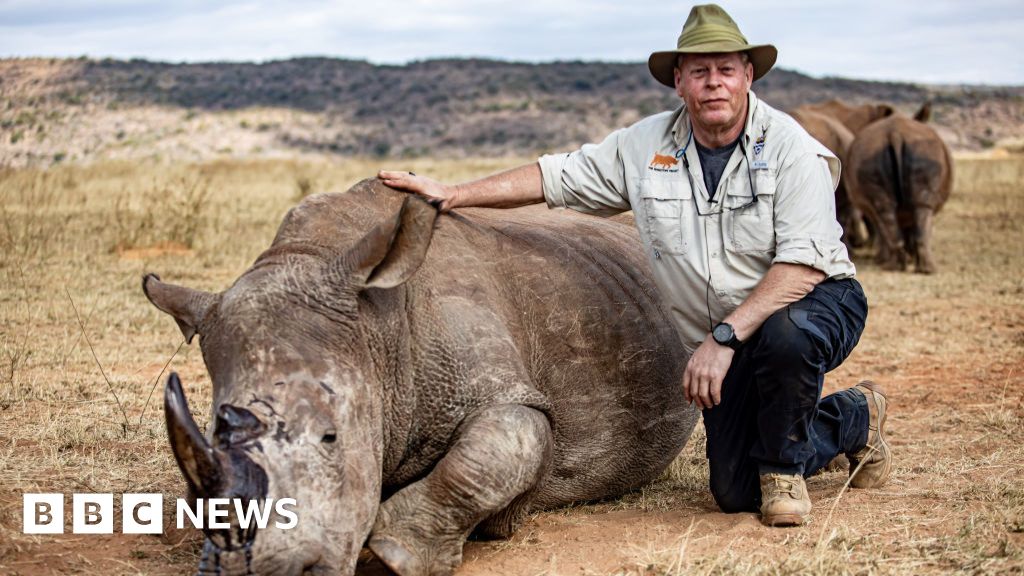
South African scientists are injecting rhino horns with radioactive material in a bold new attempt to deter poachers and disrupt the illegal trade that threatens the iconic species. The Rhisotope Project, spearheaded by researchers at the University of the Witwatersrand, aims to make rhino horns easily detectable by customs officials worldwide, thereby increasing the risk and reducing the profitability of poaching.
The Rhisotope Project: A Proactive Approach
South Africa is home to the world’s largest rhino population, but the country has struggled to curb poaching, with hundreds of rhinos killed each year for their horns, which are highly valued in some Asian markets for their perceived medicinal properties and as status symbols.
Professor James Larkin, a Wits University professor involved in the project, emphasized the urgency of the situation. "At least one animal a day is still being poached," he told the BBC. "I think the figures are only going to go one way if we don't watch out. This is a significant tool to help reduce the numbers of poaching, because we're proactive rather than being reactive."
How it Works: Safety and Detection
The Rhisotope Project, which has been in development for six years and cost approximately £220,000 ($290,000), involves injecting rhino horns with a minute quantity of radioactive isotope. Researchers assert that the procedure is harmless to the rhinos. A pilot study involving 20 animals confirmed the safety of the radioactive material.
The radioactive signature is detectable even within large shipping containers, allowing customs officials to identify smuggled horns at ports and airports. This increased detectability is intended to disrupt trafficking routes and provide valuable data on the illegal trade.
Expert Perspectives and the Broader Context
Jamie Joseph, a prominent South African rhino campaigner and director of the Saving the Wild charity, lauded the Rhisotope Project as "innovative and much needed."
"It's not the endgame - only better legislation and political will can bring an end to the rhino crisis. But it will certainly help disrupt the flow of horns leaving the country and help experts better map out the illegal channels by providing reliable data," Ms. Joseph told the BBC.
Dr. Chris Thouless, a conservation biologist specializing in rhino populations and poaching trends in Africa, offered a more cautious perspective. "While the Rhisotope Project presents an innovative technological solution, its long-term effectiveness hinges on several factors, including the consistent implementation of detection protocols at international borders and the adaptability of poaching networks," he stated. "Furthermore, addressing the underlying socio-economic drivers of poaching within local communities remains crucial for achieving sustainable conservation outcomes."
A History of Anti-Poaching Efforts
The Rhisotope Project represents the latest in a series of anti-poaching initiatives in South Africa and across the continent. These have ranged from increased ranger patrols and the use of drones to dehorning rhinos, a controversial practice that aims to make the animals less attractive to poachers. However, poaching rates remain stubbornly high, highlighting the need for multifaceted approaches.
The illegal trade in rhino horn is fueled by demand primarily in Vietnam and China, where it is used in traditional medicine, despite a lack of scientific evidence supporting its efficacy. It is also seen as a status symbol among some wealthy individuals.
The Future of Rhino Conservation
Jessica Babich, head of the Rhisotope Project, emphasized the project's broader conservation goals. "Our goal is to deploy the Rhisotope technology at scale to help protect one of Africa's most iconic and threatened species," she said. "By doing so, we safeguard not just rhinos but a vital part of our natural heritage."
The success of the Rhisotope Project will depend on its widespread adoption, international collaboration, and integration with other anti-poaching strategies. While the project offers a promising tool in the fight against rhino poaching, sustained efforts are needed to address the complex factors driving the illegal trade and ensure the long-term survival of these magnificent animals.
Each year since 2021, more than 400 rhinos have been poached in South Africa, according to Save the Rhino. White rhinos are considered threatened, while black rhinos are critically endangered.
Originally sourced from: BBC News Africa