
North Africa: Number of Ships Transiting Suez Canal Declines
Red Sea Crisis Drastically Cuts Suez Canal Traffic, Authority Seeks Insurance Reassurance
Ismailia, Egypt – Houthi militant attacks in the Red Sea have triggered a significant decline in maritime traffic transiting the Suez Canal, a vital artery for global trade. Admiral Osama Rabie, Chairman of the Suez Canal Authority (SCA), revealed that the number of vessels passing through the canal daily has plummeted from an average of 70-80 to just 30-35. The revelation came during commemorations marking the 69th anniversary of the Canal's nationalization, a pivotal moment in Egyptian history.
Suez Canal: A Lifeline Under Pressure
Despite the escalating security concerns and the resulting disruption, Admiral Rabie underscored the enduring importance of the Suez Canal as a critical global trade route. He emphasized the Canal's historical resilience in the face of challenges, attributing its continued operation and international recognition to the dedication and professionalism of its management and workforce.
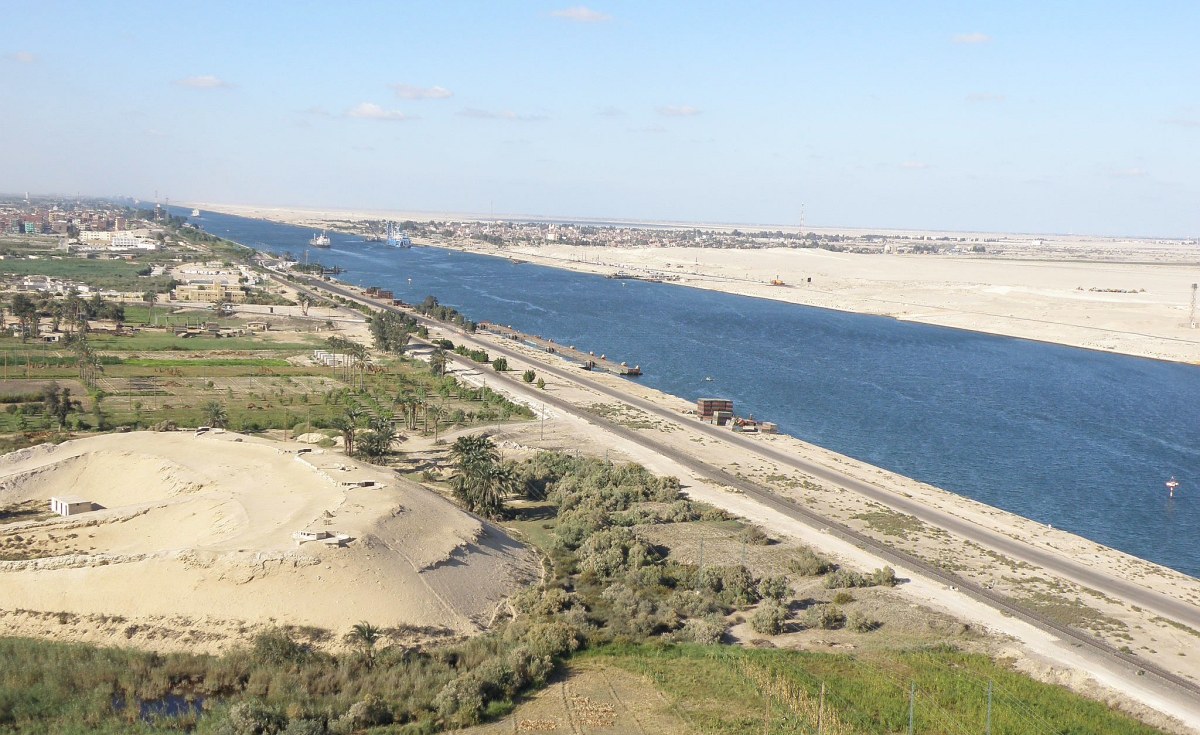
The Suez Canal, connecting the Red Sea and the Mediterranean Sea, provides the shortest maritime route between Asia and Europe. Its strategic importance is deeply rooted in geopolitical and economic factors. The current crisis, therefore, presents a significant challenge not only to Egypt but also to global supply chains.
Rising Insurance Premiums Exacerbate the Situation
A key concern highlighted by the SCA Chairman is the surge in insurance premiums for vessels navigating the Red Sea. Admiral Rabie implored insurance companies to reassess these increased costs, arguing that they are further discouraging shipping lines from utilizing the Suez Canal route. He called for a concerted effort to reassure the global shipping community and encourage a return to normal traffic flow through the Red Sea and the Suez Canal.
Expert Perspective: Impact on Global Trade
Dr. Aisha Hassan, a maritime economics expert at the University of Cairo, notes that the increased insurance premiums are a direct consequence of the perceived risk in the region. "Insurance companies are acting rationally based on the increased risk of attacks. However, these higher costs are ultimately passed on to consumers, contributing to inflationary pressures globally," she explains. "A sustained disruption to Suez Canal traffic will inevitably lead to higher shipping costs, longer delivery times, and potential shortages of goods in certain regions, particularly Europe."
Historical Context and Current Challenges
The Suez Canal's history is intertwined with periods of prosperity and crisis. Nationalized in 1956 under President Gamal Abdel Nasser, the Canal became a symbol of Egyptian sovereignty and a key source of national income. Throughout its history, the Canal has faced closures due to regional conflicts, most notably during the Six-Day War in 1967, remaining closed for eight years. The current situation, while not a complete closure, echoes past challenges, demanding strategic responses and international cooperation.
The Houthi attacks, ostensibly in support of Palestinians in Gaza, have added a new layer of complexity to regional security. The attacks have prompted several major shipping companies to divert their vessels around the Cape of Good Hope, adding significant time and cost to their voyages. This rerouting not only impacts the Suez Canal's revenue but also increases fuel consumption and carbon emissions.
Looking Ahead: Strategies for Mitigation
The SCA is actively working to mitigate the impact of the Red Sea crisis. These efforts include:
Enhanced security measures in the Canal zone. Close coordination with international maritime security forces. Negotiations with shipping lines and insurance companies. Exploring alternative pricing strategies to maintain competitiveness.
Dr. Hassan emphasizes the importance of international collaboration in addressing the root causes of the crisis. "A lasting solution requires a diplomatic resolution to the conflict in Yemen and a broader regional security framework that ensures the safety of maritime navigation in the Red Sea," she states.
The Suez Canal remains a critical link in the global trade network. Overcoming the current challenges requires a multi-faceted approach involving proactive security measures, economic incentives, and sustained diplomatic efforts to stabilize the region and restore confidence in the safety of this vital waterway.
Originally sourced from: AllAfrica