
North Africa: Number of Ships Transiting Suez Canal Declines
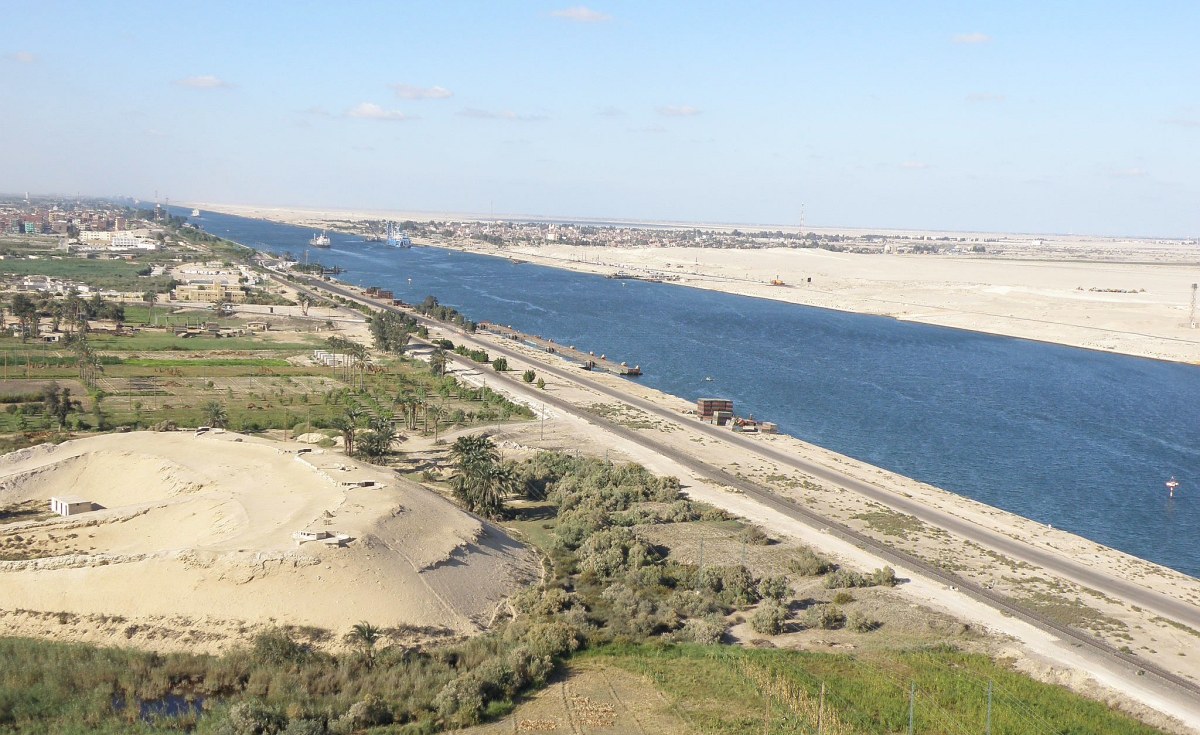
Suez Canal Navigation Severely Impacted by Red Sea Attacks
Ismailia, Egypt – Houthi militant attacks in the Red Sea have drastically reduced maritime traffic through the Suez Canal, a critical artery of global trade, according to Admiral Osama Rabie, Chairman of the Suez Canal Authority (SCA). Speaking at an event commemorating the 69th anniversary of the Canal's nationalization, Admiral Rabie revealed that daily ship transits have plummeted from 70-80 vessels to just 30-35, highlighting the significant disruption caused by the ongoing security concerns.
Economic Implications and Calls for Reassurance
The sharp decline in traffic raises serious concerns about the economic impact on Egypt, which relies heavily on Suez Canal revenues. The Canal is a vital source of foreign currency and a key component of the nation's economy. The reduced traffic also has broader implications for global supply chains, potentially leading to increased shipping costs and delays for goods moving between Asia and Europe.
Admiral Rabie directly addressed insurance companies, urging them to reassess the soaring premiums they are charging vessels transiting the Red Sea. He argued that these elevated costs are further deterring shipping lines from using the route and called for a concerted effort to reassure the international maritime community about the safety and viability of navigating the Suez Canal.
Historical Significance and Current Challenges
The Suez Canal, nationalized on July 26, 1956, has a long and storied history, playing a crucial role in global trade for over a century. Its nationalization was a pivotal moment in Egyptian history, symbolizing the country's assertion of sovereignty and economic independence. However, the Canal has faced numerous challenges throughout its existence, including wars, political instability, and, more recently, the grounding of the container ship Ever Given in 2021, which temporarily blocked the waterway and caused significant disruption to global trade. The current security situation in the Red Sea presents another significant hurdle.
Expert Analysis: Regional Instability and Global Trade
Dr. Aisha Hassan, a maritime security expert at the African Center for Strategic Studies, emphasizes the interconnectedness of regional instability and global trade. "The Houthi attacks are not simply a localized issue; they are a symptom of broader geopolitical tensions in the region," she explains. "The Red Sea is a strategic chokepoint, and any disruption to navigation has cascading effects on global supply chains, particularly for African economies that rely on the Suez Canal for trade with Asia and Europe."
Dr. Hassan also points out that the increased insurance premiums are a direct consequence of the perceived risk in the region. "Insurers are assessing the risk based on the potential for attacks and the cost of salvage operations in the event of an incident. Until the security situation improves, these premiums are likely to remain high, further discouraging shipping lines from using the Suez Canal."
The Suez Canal's Resilience
Despite the current challenges, Admiral Rabie remains optimistic about the Suez Canal's future. He highlighted the Canal's proven ability to overcome adversity throughout its history, citing the professionalism and dedication of the SCA's staff as key factors in its resilience. He also noted the numerous international accolades the Canal has received in recent years, recognizing its importance to global trade and its efficient operation.
The SCA has implemented various measures to mitigate the impact of the Red Sea attacks, including enhanced security patrols and close coordination with international naval forces operating in the area. However, the long-term solution lies in addressing the underlying security concerns in the region and ensuring the safety of maritime navigation in the Red Sea.
The situation underscores the vulnerability of global trade routes to regional instability and the urgent need for international cooperation to ensure the security and stability of key waterways like the Suez Canal.
Originally sourced from: AllAfrica