
Africa: Trump Administration Dials Back on Trade Tariffs, But 30% Import Charges Loom for Some
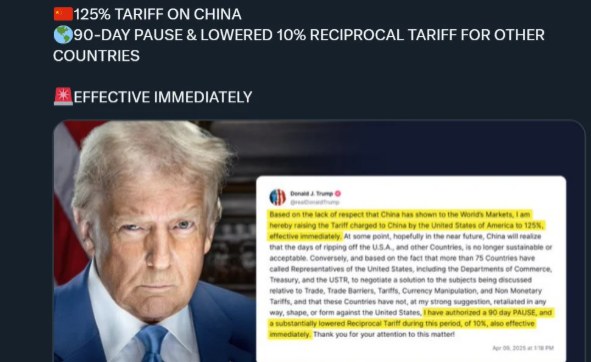
U.S. Adjusts Tariffs on African Imports, Leaving Some Nations Facing Higher Costs
Washington D.C. – The United States government has revised its proposed tariff structure on imports from several African nations, offering some relief to Lesotho while maintaining or increasing duties on goods from Algeria, Libya, Tunisia, and South Africa. The changes, which take effect in the coming days, reflect a complex and evolving trade relationship between the U.S. and the African continent.
Lesotho Sees Significant Reduction, But Others Face Increased Burdens
Lesotho, initially facing a proposed tariff of 50% – the highest globally – will now be subject to a 15% duty on its exports to the U.S. This reduction represents a significant win for the small, landlocked nation, whose economy is heavily reliant on trade. However, the news is less positive for other countries. Algeria, Libya, and Tunisia, along with South Africa, will face tariffs of 30% on their goods. Ghana and Uganda, which were not initially included in the April announcement, will now be subject to a 15% tariff.
South Africa Awaits Response Amidst Trade Tensions
The South African government has stated it is still awaiting a formal response from Washington regarding proposals submitted to mitigate the impact of the tariffs. Relations between the U.S. and South Africa have been strained in recent years, and the 30% tariff adds another layer of complexity to their economic interactions. Concerns have been raised within South Africa about the potential impact on key industries and employment.
Historical Context: AGOA and Shifting U.S. Trade Policy
For decades, the African Growth and Opportunity Act (AGOA) has been a cornerstone of U.S.-Africa trade relations. Signed into law in 2000, AGOA provides eligible sub-Saharan African countries with duty-free access to the U.S. market for thousands of products. However, in recent years, the U.S. has signaled a shift towards a more transactional approach to trade, emphasizing reciprocity and challenging perceived imbalances. These tariff adjustments can be seen as part of this broader trend.
Expert Analysis: Implications for African Economies
Dr. Fatima Hassan, a trade economist at the African Trade Policy Centre in Addis Ababa, argues that these tariff adjustments, even with the reduction for Lesotho, pose a significant challenge to African economies striving for diversification and growth. "While AGOA has been beneficial, these tariffs send a mixed message and create uncertainty for African businesses looking to expand into the U.S. market," she says. "The increased costs could make African exports less competitive, potentially hindering economic development and job creation."
Dr. Hassan further notes that the selective nature of the tariff increases raises questions about the criteria used to determine which countries are affected. "Transparency and clear communication are crucial for fostering trust and ensuring a fair trading environment. Without a clear rationale, these actions risk undermining confidence in the U.S. as a reliable trade partner."
Impact on Specific Sectors: A Cause for Concern
The tariffs are expected to impact a range of sectors, including agriculture, textiles, and manufactured goods. For South Africa, industries such as automotive and steel could be particularly vulnerable. The increased costs could lead to reduced exports, job losses, and slower economic growth. The impact on smaller economies like Lesotho, despite the tariff reduction, should also not be underestimated, as any disruption to trade flows can have significant consequences.
Looking Ahead: Negotiations and Future Trade Relations
The long-term implications of these tariff adjustments remain uncertain. It is crucial for African governments to engage in constructive dialogue with the U.S. to address concerns and seek mutually beneficial trade arrangements. The future of U.S.-Africa trade relations will depend on the ability of both sides to navigate these challenges and build a framework that promotes sustainable and equitable economic growth.
Key Affected Countries: Algeria, Libya, Lesotho, South Africa, Tunisia, Ghana, Uganda Tariff Rates: Ranging from 15% to 30% Potential Impacts: Reduced exports, job losses, slower economic growth
The situation is constantly evolving, and AllAfrica will continue to provide updates as more information becomes available.
Originally sourced from: AllAfrica