
Africa: Trump Administration Dials Back on Trade Tariffs, But 30% Import Charges Loom for Some
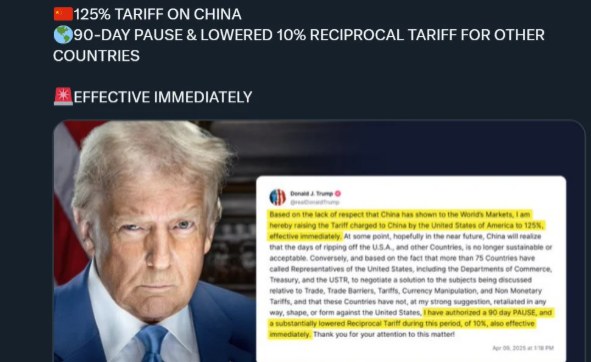
US Adjusts Tariffs on African Imports, But Concerns Remain Over Impact
Washington D.C. - The United States government has revised its proposed tariff regime on imports from several African nations, offering some relief from initial plans announced in April. However, significant tariffs, reaching 30%, are set to be imposed on imports from Algeria, Libya, Tunisia, and South Africa in the coming days, raising concerns about the potential economic impact on these nations.
Lesotho Sees Significant Reduction, Others Face New Tariffs
Lesotho, initially facing a proposed tariff of 50% – the highest rate considered – has seen a substantial reduction to 15%. This adjustment aligns Lesotho's tariff rate with that of several other African countries affected by the revised policy. The reduction is a significant win for Lesotho, whose economy is heavily reliant on exports to the United States.
However, Ghana and Uganda now face tariffs of 15% for the first time. These countries were not included in the initial list of affected nations released in April, adding a layer of uncertainty to their trade relations with the U.S.
North Africa and South Africa Face Highest Tariffs
Despite the adjustments, Algeria, Libya, Tunisia, and South Africa will be subject to the highest tariffs of 30%. The tariffs on these nations have either remained unchanged or slightly increased from the initial proposal. The South African government has stated that it is still awaiting a response from Washington regarding proposals aimed at mitigating the tariff impact.
This development has fueled speculation about the underlying motivations behind the tariff policy, with some observers suggesting that political considerations may be at play, particularly in the case of South Africa, given the reportedly strained relationship between President Donald J. Trump and the South African government. The US administration has not stated the specific reasons for the tariff adjustments or implementations.
Historical Context: AGOA and US-Africa Trade Relations
The US-Africa trade relationship has historically been shaped by the African Growth and Opportunity Act (AGOA), a preferential trade program that provides duty-free access to the U.S. market for eligible sub-Saharan African countries. AGOA, enacted in 2000, has been instrumental in promoting economic growth and diversification in many African nations. The current tariff adjustments raise questions about the future of AGOA and the overall direction of US-Africa trade policy.
Dr. Fatima Hassan, an economist specializing in African trade at the University of Cape Town, notes, "These tariffs, even with the adjustments, introduce a level of uncertainty that could undermine the benefits accrued under AGOA. African businesses need predictability to plan and invest, and these fluctuating policies create significant challenges."
Potential Economic Impacts and Regional Implications
The imposed tariffs could have a range of economic consequences for the affected countries. Increased import costs could lead to higher consumer prices, reduced competitiveness of African exports, and potential job losses in key sectors. The tariffs could also discourage foreign investment in the affected nations.
The impact could extend beyond the directly affected countries, potentially impacting regional trade dynamics and economic integration efforts within the African continent. The African Union and regional economic communities may need to reassess their trade strategies in light of these developments.
According to Professor Kwame Nkrumah, a trade policy analyst at the African Trade Policy Centre, "The tariffs highlight the need for African countries to diversify their export markets and strengthen intra-African trade. Relying too heavily on a single trading partner makes them vulnerable to policy changes."
Looking Ahead: Negotiations and Future Trade Relations
The situation remains fluid, and further negotiations between the U.S. and the affected African countries are possible. The South African government has indicated its willingness to continue engaging with the U.S. administration to seek a mutually beneficial resolution.
The long-term implications of these tariff adjustments for US-Africa trade relations remain to be seen. The developments underscore the importance of a stable and predictable trade environment for fostering sustainable economic growth and development in Africa.
Originally sourced from: AllAfrica