
Syria vs Druze: How did Israel get involved?
)
Syrian Army Announces Partial Withdrawal from Sweida Amidst Escalating Tensions and International Pressure
Damascus – The Syrian Arab Army has announced a partial withdrawal of its forces from the Sweida province in southern Syria, a region recently embroiled in escalating conflict between local Druze and Bedouin communities. This announcement follows heightened international concern and reported diplomatic intervention by the United States, aimed at de-escalating the volatile situation.
Escalation Triggered by Local Disputes
The conflict, initially rooted in long-standing grievances and resource disputes between the Druze and Bedouin populations in the Sweida region, has spiraled in recent weeks. What began as localized clashes quickly intensified, drawing in external actors and threatening to destabilize the already fragile security landscape of southern Syria. Reports indicate that the Syrian government's response to the initial unrest was perceived by some Druze factions as heavy-handed, further fueling resentment and contributing to the escalation.
Israeli Airstrikes Further Complicate the Situation
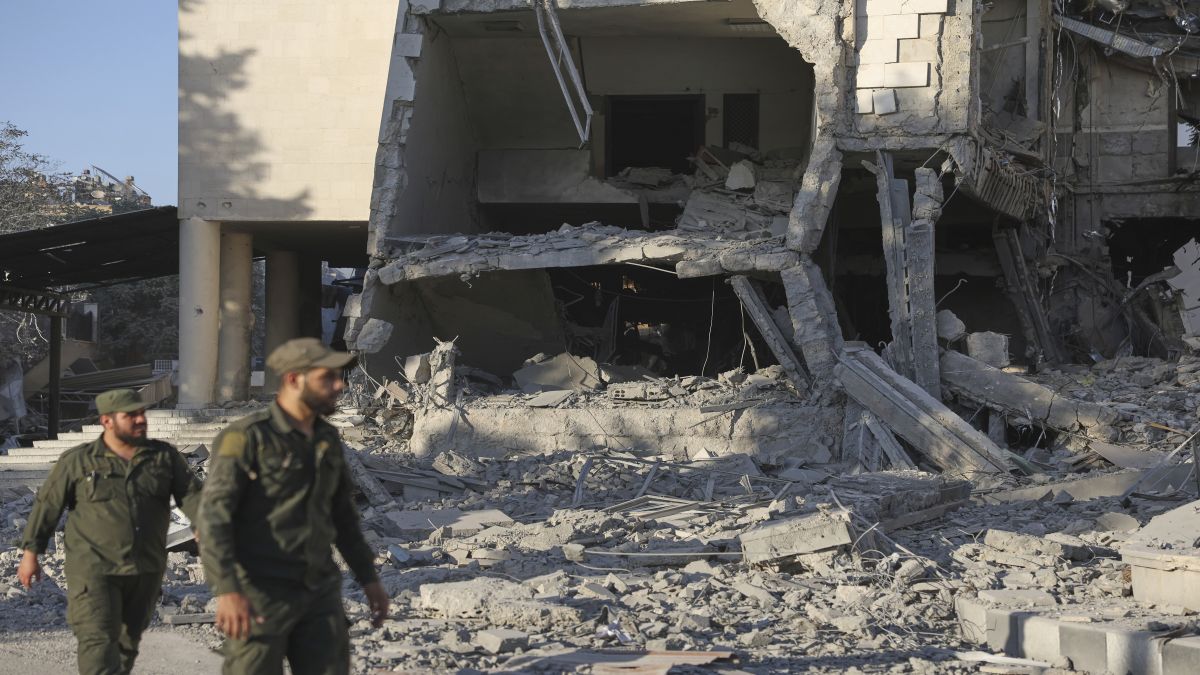
Adding another layer of complexity, Israeli airstrikes have reportedly targeted Syrian military installations, including the Ministry of Defence in Damascus. While Israel has not officially confirmed its involvement, such actions are often attributed to its policy of preventing the entrenchment of Iranian-backed forces in Syria. These strikes, however, risk further destabilizing the region and potentially broadening the conflict.
US Intervention and Diplomatic Efforts
Amidst the escalating violence, the United States has reportedly engaged in diplomatic efforts to mediate a resolution. While the specifics of these efforts remain unclear, a recent statement attributed to US Secretary of State Marco Rubio, posted on X (formerly Twitter), suggested a breakthrough. The statement alluded to an agreement on "specific steps" to bring the "troubling and horrifying situation to an end." However, the veracity of this statement and its impact on the Syrian army's decision to withdraw remain uncertain.
Historical Context and Regional Implications
The situation in Sweida is unfolding against a backdrop of over a decade of civil war in Syria, which has created a power vacuum and allowed various non-state actors to flourish. The Druze community, historically known for its independence and resilience, has largely remained neutral in the broader Syrian conflict, but has consistently defended its territory. The current unrest highlights the fragility of the region and the potential for localized conflicts to escalate into broader regional instability.
Dr. Lina Khatib, Director of the Middle East Institute in Washington D.C., notes: "The Sweida situation underscores the deep-seated social and political grievances that persist in Syria despite the formal end of major combat operations. The government's failure to address these grievances, coupled with external interference, creates a fertile ground for further instability."
Analysts Weigh In on the Withdrawal
The Syrian army's announced withdrawal is being viewed with cautious optimism. Some analysts believe it could pave the way for dialogue and a peaceful resolution to the conflict. However, others express concern that the withdrawal could create a security vacuum that could be exploited by extremist groups or lead to further clashes between local factions.
According to Professor Joshua Landis, Director of the Center for Middle East Studies at the University of Oklahoma, "The Syrian army's partial withdrawal is likely a tactical move aimed at de-escalating tensions and preventing further international intervention. However, the long-term stability of Sweida will depend on the government's willingness to address the underlying grievances of the Druze community and engage in meaningful reconciliation efforts."
Future Uncertain
The situation in Sweida remains fluid and unpredictable. While the Syrian army's partial withdrawal offers a glimmer of hope, the underlying causes of the conflict remain unresolved. Continued diplomatic efforts, coupled with a commitment to addressing the needs and concerns of all communities in the region, will be crucial to preventing further escalation and fostering long-term stability.
The Syrian Army has announced a partial withdrawal from Sweida. Conflict initially began between Druze and Bedouin communities. Israeli airstrikes have targeted Syrian military installations. US intervention through diplomatic channels is reported. The region remains volatile and the future uncertain.
Originally sourced from: Firstpost