
Southern Africa: Namibians, Batswana 'Must Unite in Genocide Fight'
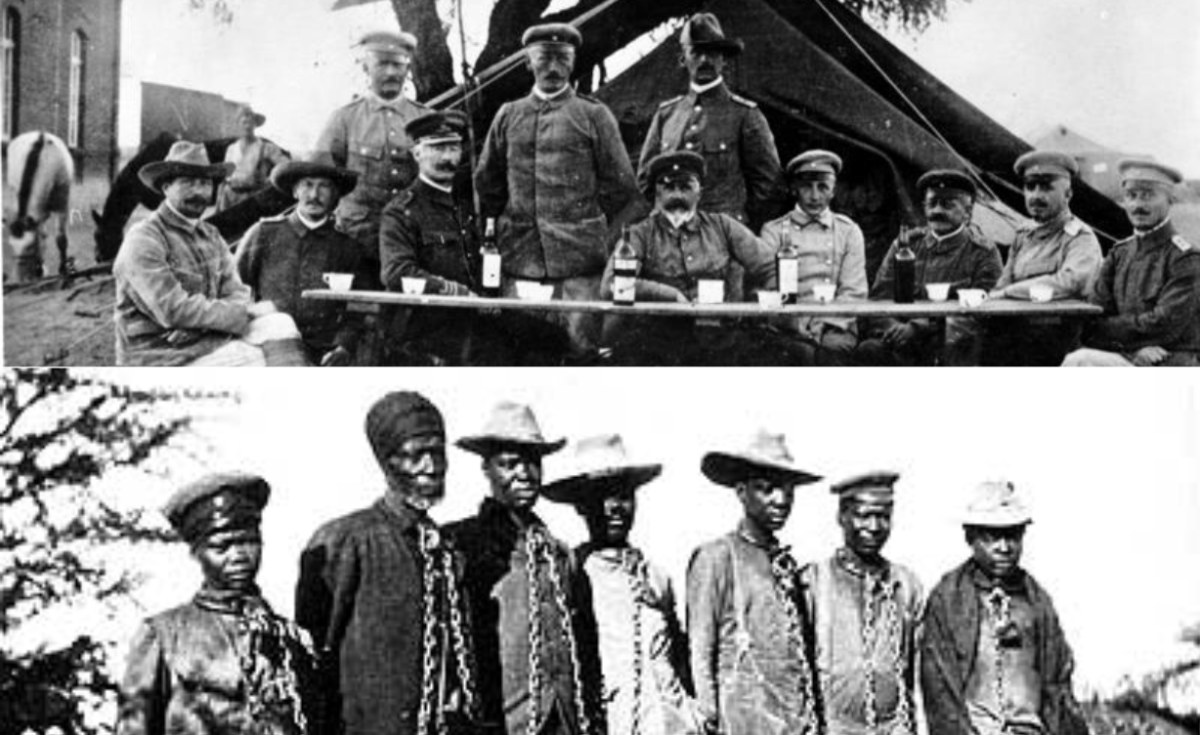
Namibia and Botswana Urged to Collaborate on Genocide Reparations for Diaspora Communities
GABORONE, BOTSWANA – Popular Democratic Movement (PDM) leader McHenry Venaani has called for greater collaboration between Namibia and Botswana to ensure that descendants and victims of the 1904-1908 genocide perpetrated by imperial Germany in Namibia receive fair and just reparations, particularly those residing in the diaspora.
Venaani made the appeal while addressing the Alliance for Progressives (AP) national congress in Sorowe, Botswana, over the weekend. His remarks focused on the ongoing debate surrounding Germany's proposed reparations deal for the atrocities committed against the Ovaherero and Nama people more than a century ago.
Criticism of Germany's Proposed Reparations Deal
Venaani voiced strong criticism of the N$18 billion (approximately €900 million) reparations offer from Germany, arguing that it inadequately addresses the needs of affected communities, especially those living outside Namibia. He specifically highlighted the exclusion of the large Herero community in Botswana, many of whom are direct descendants of genocide survivors who fled the territory to escape German colonial violence.
"When the Germans came with a proposal to finalise the deal, they excluded the Ovaherero and Namibian people in the diaspora, in particular Botswana," Venaani stated. "I was one of the leaders who said, 'If you do not take account of those living in foreign lands, the Hereros in Botswana and Nama, we will not accept the deal'."
Historical Context and Diaspora Communities
The 1904-1908 genocide saw the systematic extermination of tens of thousands of Ovaherero and Nama people by German colonial forces. The brutal campaign, characterized by forced displacement, concentration camps, and deliberate starvation, resulted in a significant loss of life and the dispersal of communities across borders. Many sought refuge in neighboring Bechuanaland, now Botswana, establishing communities that maintain strong cultural and ancestral ties to Namibia to this day.
The issue of reparations has been a long-standing point of contention between Namibia and Germany. While the Namibian government has engaged in negotiations with Germany, the representation and inclusion of diaspora communities in any reparations agreement remain a sensitive and complex issue. Traditional leaders and diaspora representatives have consistently argued for direct involvement in the negotiations and for reparations that adequately address the historical injustices suffered by their communities.
Expert Perspective on Diaspora Inclusion
Dr. Henning Melber, Extraordinary Professor at the University of Pretoria and a leading scholar on Namibian history and German colonialism, emphasizes the importance of acknowledging the diaspora’s legitimate claims. "The descendants of genocide survivors living outside Namibia are integral to the historical narrative and continue to experience the intergenerational trauma of the events," Dr. Melber notes. "Any reparations agreement that fails to recognize their suffering and provide meaningful redress is inherently incomplete and risks perpetuating the injustice."
Need for Collaborative Approach
Venaani’s call for closer collaboration between Namibia and Botswana underscores the need for a unified approach in addressing the reparations issue. He suggests that both governments should work together to ensure that the voices of diaspora communities are heard and that their needs are adequately addressed in any final agreement with Germany.
This collaborative approach, according to political analyst Joseph Lisindi, is crucial for leveraging collective bargaining power. "A united front between Namibia and Botswana sends a strong message to Germany that the issue of reparations is not merely a domestic matter for Namibia, but a regional concern with significant implications for cross-border communities," Lisindi explains. "It strengthens the hand of both countries in advocating for a more just and equitable outcome for all affected parties."
Looking Ahead
The debate surrounding reparations for the 1904-1908 genocide remains a critical issue for Namibia and its diaspora communities. As negotiations with Germany continue, the call for greater inclusion and collaboration highlights the importance of addressing historical injustices in a comprehensive and equitable manner. The future of the reparations agreement hinges on the ability of all stakeholders to find common ground and ensure that the voices of all affected communities are heard and respected.
Originally sourced from: AllAfrica