
South Africa: 'People First, Not Populism' - Operation Dudula's Anti-Migrant Tactics Under Fire
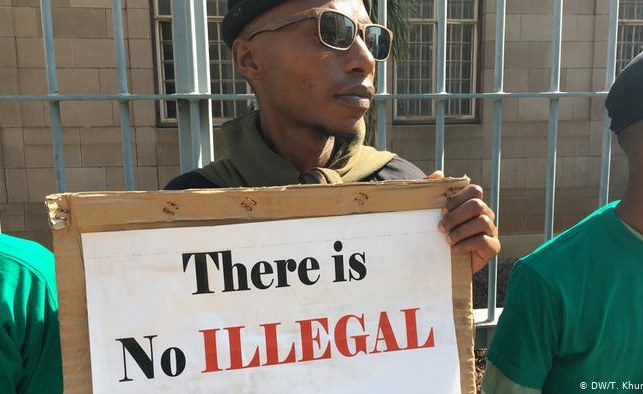
Operation Dudula Accused of Obstructing Healthcare Access for Foreign Nationals in Johannesburg
Johannesburg, South Africa – Operation Dudula, a controversial anti-immigrant group, is facing renewed condemnation for allegedly disrupting healthcare services and preventing foreign nationals from accessing medical treatment in Johannesburg clinics. The group's actions have sparked outrage from community leaders and human rights organizations, who argue that such conduct violates South Africa's constitutional guarantees of healthcare access for all.
Constitutional Rights Under Scrutiny
Section 27 of the South African Constitution explicitly states that everyone has the right to access healthcare services, including basic healthcare and emergency medical treatment. This right is not contingent on nationality or immigration status. However, Operation Dudula maintains that its actions are justified in prioritizing South African citizens' access to limited healthcare resources.
"The Constitution is very clear," says Dr. Fatima Hassan, a public health lawyer and social justice activist. "Everyone within the borders of South Africa is entitled to healthcare. Denying people access based on their nationality is not only unconstitutional but also morally reprehensible. It undermines the very fabric of our society and threatens public health by potentially allowing infectious diseases to spread untreated."
Operation Dudula's Rationale
Founded in Soweto, Johannesburg, in 2021, Operation Dudula emerged as a response to perceived socioeconomic challenges, primarily attributing them to undocumented immigrants. The group, whose name translates to "force out" or "knock down" in isiZulu, asserts that undocumented immigrants place undue strain on public healthcare systems, contribute to rising crime rates, and exacerbate unemployment and poverty among South African citizens.
While supporters of the movement claim it addresses legitimate concerns regarding resource allocation and public safety, critics, including numerous human rights organizations, denounce Operation Dudula's activities as xenophobic, fueled by hate speech, and constituting unlawful vigilantism. They argue that scapegoating immigrants diverts attention from systemic issues such as corruption, inequality, and inadequate government service delivery.
Historical Context and Echoes of Xenophobia
South Africa has a history of xenophobic violence, stemming from the apartheid era and continuing into the democratic dispensation. Economic inequality, competition for scarce resources, and a lack of effective border control have been cited as contributing factors. The targeting of foreign nationals, particularly those from other African countries, has resulted in significant loss of life, displacement, and social disruption.
Professor Mashudu Tshifularo, a political analyst at the University of Pretoria, emphasizes the importance of addressing the root causes of societal frustrations. "Operation Dudula is a symptom of deeper issues within South African society," he explains. "The government needs to address unemployment, poverty, and inequality effectively. Simply blaming immigrants is not a solution and only serves to incite hatred and division. Furthermore, there is a need for robust public education campaigns that promote tolerance, understanding, and respect for human rights."
Impact on Healthcare Systems and Communities
The disruptions caused by Operation Dudula have had a tangible impact on healthcare systems, particularly in already overburdened public clinics. Healthcare workers report increased stress and anxiety as they navigate the ethical dilemma of providing care while facing potential confrontations. The fear of being denied access to treatment may also deter foreign nationals from seeking medical attention, potentially leading to the spread of infectious diseases and exacerbating existing health disparities.
Community leaders are calling on law enforcement agencies to take decisive action against Operation Dudula's activities, ensuring the safety and security of all residents, regardless of their nationality. They emphasize the need for dialogue and constructive engagement to address the underlying issues driving xenophobia and promote social cohesion.
Looking Ahead: Towards a More Inclusive Society
Addressing the complex challenges posed by immigration requires a multi-faceted approach that prioritizes human rights, promotes economic development, and strengthens social integration. This includes investing in education, creating job opportunities, improving border management, and fostering a culture of tolerance and respect for diversity. The ongoing debate surrounding Operation Dudula highlights the urgent need for South Africa to confront its history of xenophobia and build a more inclusive and equitable society for all.
Originally sourced from: AllAfrica