
Record labels agree to boost 'insulting' musicians' pay
Landmark Deal Boosts Pay for UK Songwriters and Session Musicians
Songwriters and session musicians in the UK are set to receive significantly improved rates of pay following a landmark agreement between the music industry and the government. The deal, forged through the Creator Remuneration Working Group (CRWG), addresses long-standing concerns about inadequate compensation for those who create and contribute to the music enjoyed by millions. The changes aim to inject "tens of millions of pounds" into the pockets of musicians by 2030, according to Creative Industries Minister Sir Chris Bryant.
Daily Payments for Songwriters, Increased Session Fees
A key component of the agreement is the introduction of daily payments for songwriters attending sessions or songwriting camps. For the first time, they will receive £75 per day, in addition to travel and food expenses. Previously, songwriters were often expected to cover these costs themselves, relying solely on royalties generated upon a song's release. Session musicians will also benefit from the new framework, with pay increases of up to 40% for recording sessions. Standard fees for pop musicians will rise from £130 to £182, while orchestral musicians will see a 15% increase, raising the fee for a principal violinist from £92.96 to £106.90.
Raye's Advocacy and Industry Pressure
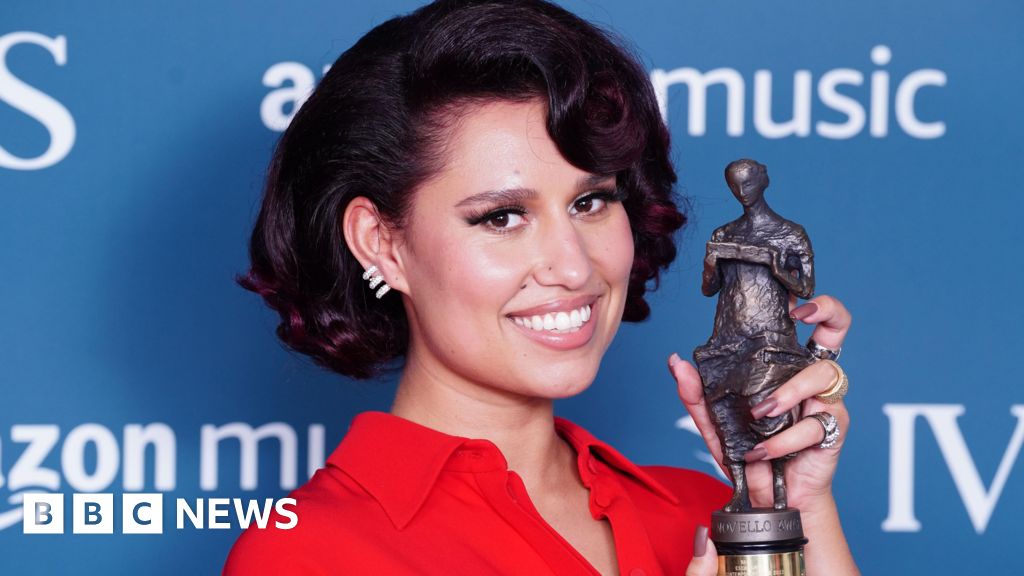
The issue of fair compensation for songwriters gained significant traction following public advocacy from artists like Raye, who criticized the industry for expecting songwriters to "work for free." Raye's powerful statement at the 2023 Ivor Novello Awards resonated within the music community and added impetus to the government's efforts to address the imbalance. The new deal has been agreed upon by the three major record labels and supported by the Ivors Academy for songwriters and the Association of Independent Music.
Retroactive Contract Renegotiation and Debt Forgiveness
Beyond immediate pay increases, the agreement also tackles issues related to older recording contracts. Musicians who signed contracts before 2000, prior to the rise of streaming, will have the opportunity to renegotiate their contracts for higher rates of pay. Furthermore, any outstanding debts owed to their record labels will be written off, building on a process initiated by Sony Music in 2021. Support will also be provided to ensure that older, potentially "missing" songs are added to streaming platforms, maximizing their revenue potential.
Mixed Reactions and Lingering Concerns
While the changes have been widely welcomed, some organizations, including the Musicians Union and the Council of Music Makers, expressed disappointment that the agreement does not fully address the fundamental problems with music streaming economics. They continue to advocate for a minimum royalty rate for all artists and a change in copyright law that would allow artists and songwriters to reclaim the rights to their songs after a specified period.
Expert Perspective: A Step Towards Equity
Simon Barber, Associate Professor of Songwriting at Birmingham City University and co-host of the Sodajerker On Songwriting podcast, believes the new framework is a positive step towards greater equity in the music industry. "If you think about the fact that songwriters are essentially the fount of new material for these massive corporations, to ask for expenses like travel and meals to be covered, is a very basic requirement that you would expect most industries to participate in," Barber told the BBC. "So I think it's a really positive step forward. And I think it probably encourages songwriters from more diverse backgrounds, who don't necessarily have the means to work for free, to participate more."
Historical Context: The Shift to Streaming and Royalty Disputes
The current debate over musician compensation is rooted in the dramatic shift from physical music sales to digital streaming. Prior to the dominance of platforms like Spotify and Apple Music, songwriters and musicians earned royalties from the sale of CDs and vinyl records. However, the streaming model has significantly altered the economics of the industry, with artists receiving a fraction of a penny per stream. This has led to widespread concern about the sustainability of a career in music, particularly for emerging artists and songwriters. A 2024 report by Midia Research highlighted the stark reality, suggesting that only 10% of working songwriters earned more than $30,000 per year, while over half earned less than $1,000.
Future Developments and Government Oversight
The government has indicated that the new framework will be reviewed after 12 months to assess its effectiveness in improving artists' remuneration. Sir Chris Bryant has stated that legislation remains an option if the agreement fails to deliver meaningful improvements. The Creator Remuneration Working Group will continue its work, with a focus on streaming pay for session musicians at an upcoming meeting in September. These musicians, who contribute to recordings by popular artists, currently receive royalties for radio and TV airplay but not for digital streaming.
Industry Response and Global Competition
The BPI, representing the British Music Industry, has emphasized that the new principles will uniquely benefit British artists. "As we face unprecedented global competition as an industry, these changes will help secure our place as a world leader in music," said Chief Strategy Officer Sophie Jones.
Ines Dunn's Perspective: A Small Step in a Marathon
Ines Dunn, a songwriter who has worked with artists such as Mimi Webb and Maisie Peters, describes the new payments as "a small step in a marathon." Dunn acknowledges the positive impact of the changes but emphasizes that they do not solve all the problems facing songwriters. "This isn't the extent of what songwriters deserve, but it is a really vital step in ensuring people can just show up and do their job," Dunn said. "I just want there to be a day where songwriters can be songwriters, and that's enough."
Originally sourced from: BBC Entertainment