
Libyan war crimes suspect arrested in Germany under ICC warrant
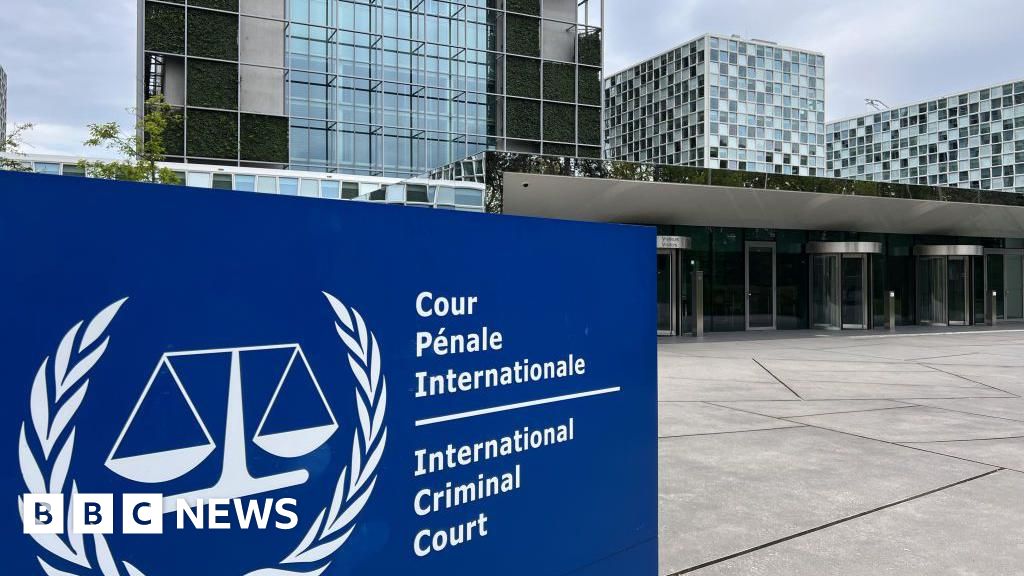
Libyan War Crimes Suspect Arrested in Germany on ICC Warrant
German authorities have arrested Khaled Mohamed Ali El Hishri, a Libyan national, on an arrest warrant issued by the International Criminal Court (ICC). El Hishri, also known as "Al-Buti," is accused of war crimes and crimes against humanity allegedly committed at the Mitiga Prison complex in Tripoli, Libya, between 2015 and 2020.
The ICC alleges that El Hishri, a senior official at the prison, is suspected of having committed, ordered, or overseen atrocities including murder, torture, and rape. The arrest marks a significant step in the ICC's ongoing efforts to hold individuals accountable for crimes committed during Libya's protracted conflict.
Allegations Centre on Mitiga Prison
Mitiga Prison, located near Tripoli's international airport, has been a site of significant concern for human rights organizations for years. Amnesty International has documented "horrific violations committed with total impunity" at the facility. The prison has held thousands of detainees, including migrants attempting to reach Europe, often in deplorable conditions.
The ICC's investigation into the situation in Libya was initiated following a referral from the United Nations Security Council in February 2011, in response to the violent crackdown on protests against the government of Muammar Gaddafi. This referral granted the ICC jurisdiction over crimes committed in Libya from February 15, 2011 onwards. Libya later accepted the ICC's jurisdiction over its territory from 2011 to the end of 2027.
The Wider Context of Conflict in Libya
Libya has been mired in instability and conflict since the ousting and killing of Gaddafi in 2011. The country is currently divided between rival governments, each backed by various militias and foreign powers. This fragmented political landscape has created a climate of impunity, allowing human rights abuses to flourish.
El Hishri was reportedly part of the Special Deterrence Force (SDF), also known as Rada, a militia aligned with the interior ministry of the internationally recognized government based in Tripoli. This affiliation highlights the complex and often blurred lines between state security forces and armed groups in post-Gaddafi Libya.
Expert Perspective: The Challenges of Justice in Libya
"The arrest of El Hishri is a welcome development, but it only represents a small step towards achieving justice for the victims of atrocities in Libya," says Dr. Fatima Hassan, a researcher specializing in international criminal law and transitional justice in North Africa at the University of Cape Town. "The ICC faces significant challenges in investigating and prosecuting cases related to Libya, including limited access to the country, security concerns, and a lack of cooperation from some Libyan authorities."
Dr. Hassan further notes that the pursuit of justice requires a multi-faceted approach, encompassing not only international prosecutions but also domestic accountability mechanisms and truth-telling initiatives. "Ultimately, lasting peace and reconciliation in Libya depend on addressing the root causes of the conflict and ensuring that all those responsible for human rights abuses are held accountable," she states.
ICC's Ongoing Efforts and Challenges
The ICC has issued 11 arrest warrants in connection with alleged war crimes and crimes against humanity committed in Libya since 2011. Eight of these warrants remain outstanding, highlighting the difficulty in apprehending suspects in the volatile security environment.
The case of Osama Najim, also known as Almasri, who was allegedly the director of Mitiga detention centre and controversially released by Italy earlier this year, underscores the challenges the ICC faces. Najim's release, attributed to a legal technicality, drew criticism from the ICC, which issued another arrest warrant for him. He remains at large.
What Happens Next?
El Hishri will remain in detention in Germany pending arrangements for his surrender to the ICC's custody and extradition to The Hague, where the ICC is based. The ICC has expressed gratitude to the victims and witnesses from Libya who have cooperated in the investigation, emphasizing their courage and commitment.
The ICC's investigation into the situation in Libya continues, with the aim of addressing crimes committed during the conflict and bringing those responsible to justice. However, the challenges remain significant, and the pursuit of accountability is a long and complex process.
Historical Context: Gaddafi's Legacy and its Aftermath
Muammar Gaddafi ruled Libya for over four decades, maintaining power through a combination of oil wealth, patronage, and repression. His regime was accused of widespread human rights abuses, including arbitrary detention, torture, and extrajudicial killings. The 2011 uprising, inspired by the Arab Spring, led to his downfall and subsequent death, but it also unleashed a period of chaos and fragmentation that continues to plague the country.
The legacy of Gaddafi's rule continues to shape the political and social landscape of Libya. The absence of strong state institutions, the proliferation of armed groups, and the deep-seated divisions within Libyan society all contribute to the ongoing instability and the challenges of achieving justice and reconciliation.
The arrest of El Hishri serves as a reminder that efforts to hold perpetrators of war crimes accountable are ongoing, even in the face of significant obstacles. However, lasting peace and stability in Libya require a comprehensive approach that addresses the root causes of the conflict and ensures that all Libyans have access to justice and the rule of law.
Originally sourced from: BBC News Africa