
Africa: Africa's Vulnerable to Bear Brunt of UK Foreign Aid Slash
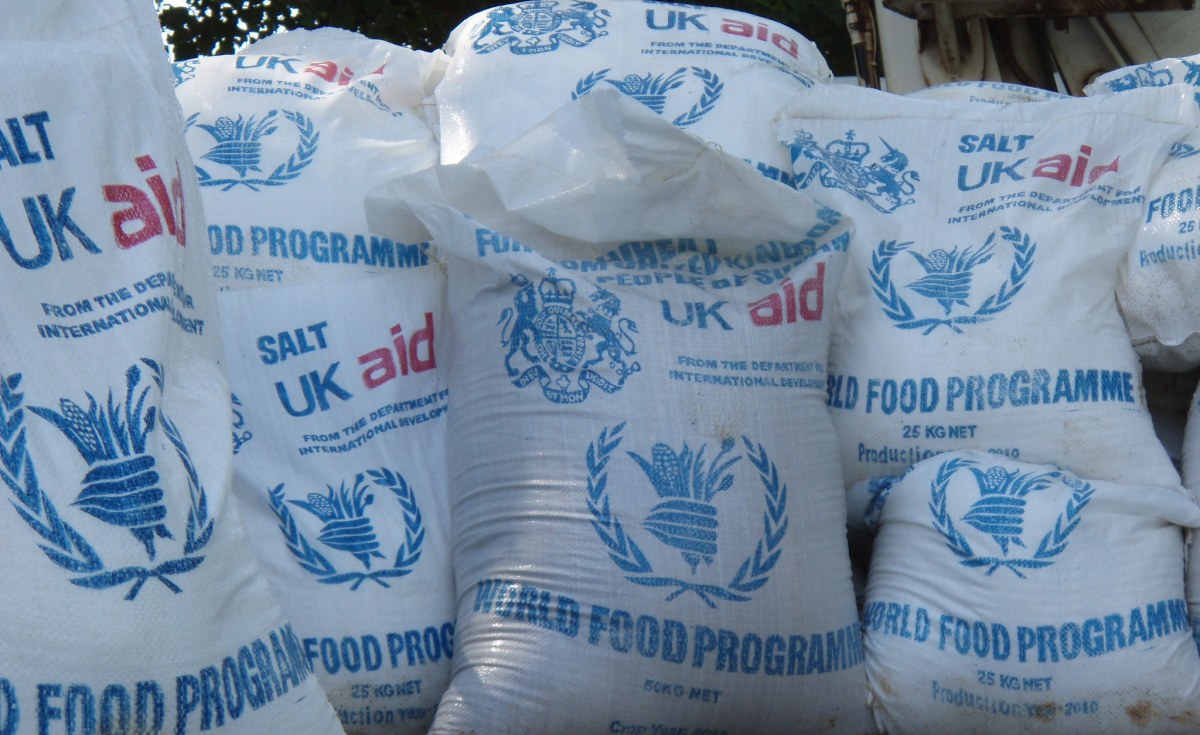
UK Aid Cuts to Africa Spark Concern Over Development Impact
London — Significant reductions in the United Kingdom's foreign aid budget, particularly impacting programs focused on children's education and women's health in Africa, are raising concerns among aid organizations and development experts. The cuts, detailed recently by the UK government, follow February's announcement of a broader reduction in overseas development assistance (ODA) from 0.7% to 0.5% of gross national income (GNI), a move aimed at bolstering domestic spending, including increased defence allocations.
Africa Bears the Brunt of Aid Reductions
The Foreign, Commonwealth & Development Office (FCDO) has indicated that the African continent will experience the most substantial impact from the funding reductions. Programs supporting women's health initiatives, water sanitation projects, and education are facing significant budget cuts. This is projected to exacerbate existing challenges, potentially leading to increased disease prevalence and mortality rates, particularly among vulnerable populations.
The decision to reduce ODA has drawn sharp criticism from numerous aid charities and international development organizations. They argue that the cuts will disproportionately affect the world's poorest and most marginalized communities, undermining decades of progress in areas such as poverty reduction, disease control, and education access.
Historical Context and Current Challenges
The UK's commitment to spending 0.7% of GNI on ODA was enshrined in law in 2015, reflecting a bipartisan consensus on the importance of international development. This commitment placed the UK among a small group of nations meeting the United Nations' target for development assistance. The recent reversal represents a significant departure from this long-standing policy and aligns the UK more closely with countries that allocate a smaller percentage of their national income to foreign aid.
Africa faces a multitude of development challenges, including rapid population growth, climate change impacts, political instability, and persistent poverty. Foreign aid has played a crucial role in supporting African governments and civil society organizations in addressing these challenges, providing essential resources for infrastructure development, healthcare improvements, and educational initiatives.
Expert Perspectives on the Impact
Dr. Fatima Hassan, a leading development economist specializing in African development at the University of Cape Town, argues that the UK aid cuts will have far-reaching consequences. "These cuts come at a critical juncture for many African nations struggling to recover from the economic fallout of the COVID-19 pandemic," she explains. "Reduced funding for essential services like healthcare and education will not only undermine progress towards the Sustainable Development Goals but also exacerbate existing inequalities and potentially fuel social unrest."
Furthermore, Dr. Hassan highlights the potential for a ripple effect, as other donor countries may be influenced by the UK's decision to reduce aid spending. "There is a risk that other nations will follow suit, further jeopardizing development efforts across the continent."
Another perspective comes from Mr. Kwame Nkrumah, director of a pan-African NGO focused on education, who emphasizes the long-term implications of reduced investment in education. "Education is the cornerstone of sustainable development," he states. "By cutting funding for education programs, the UK is not only depriving a generation of African children of opportunities but also undermining the continent's future economic prospects. A well-educated workforce is essential for innovation, entrepreneurship, and economic growth."
Concerns Over Women's Health
The reductions in funding for women's health programs are particularly concerning, according to many aid organizations. These programs often provide essential services such as maternal healthcare, family planning, and prevention of gender-based violence. Cuts to these programs could lead to increased maternal mortality rates and unintended pregnancies, further hindering progress towards gender equality and sustainable development.
The Future of UK-Africa Development Cooperation
The UK government has defended its decision, citing the need to prioritize domestic spending and address economic challenges at home. However, critics argue that the aid cuts are short-sighted and will ultimately undermine the UK's long-term interests in Africa, including trade, security, and diplomatic influence. The long-term impact of these cuts on the relationship between the UK and African nations remains to be seen. The reduction in aid will likely reshape development cooperation strategies, forcing African governments and civil society organizations to seek alternative funding sources and prioritize their development priorities.
Originally sourced from: AllAfrica